

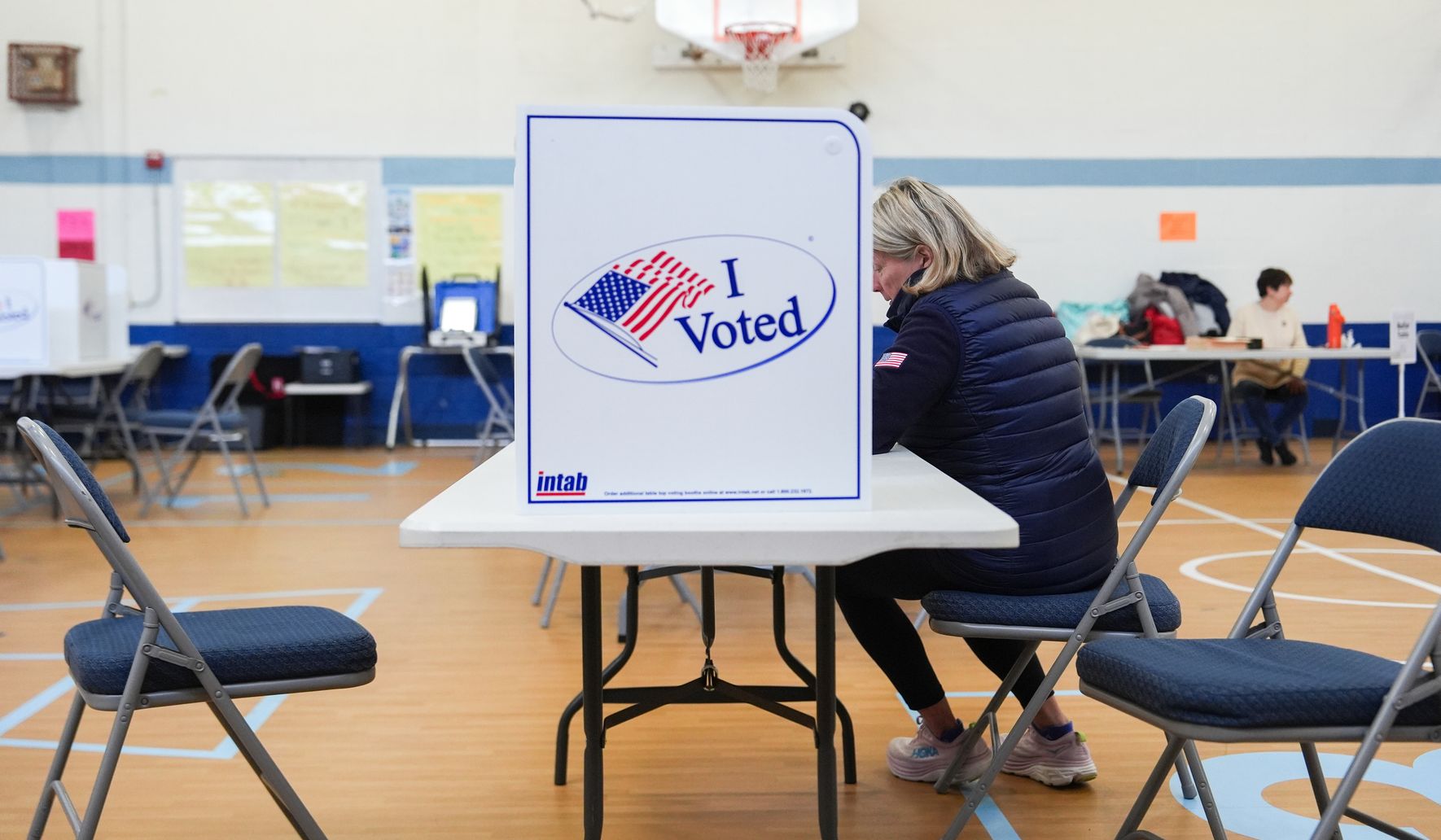
Voters in Virginia approved a new congressional map ahead of the 2026 midterm elections that, if implemented, will wipe out nearly all of the state’s Republican seats and reshape the balance of power for the coming campaign cycle.
The new map was sold as a correction to past lines, but Republicans see it as a clear power play that sidelines conservative voters across the state. Supporters argue the map creates fairer districts, yet the practical effect is a dramatic reduction in Republican representation. That outcome matters far beyond Virginia because control of the House could hinge on a handful of contests in 2026.
From a Republican perspective, this vote reflects a deeper problem with how maps are drawn and approved. When lines are created in ways that concentrate or dilute particular voters, the result is political exclusion rather than competition. Voters who placed trust in neutral processes now face electoral maps that could deny them a voice in Congress for years.
Legal and political responses are already being discussed inside GOP circles. Expect lawsuits, legislative maneuvers, and a renewed push to recruit strong challengers in neighboring states where the national map will be contested. Conservatives are also likely to emphasize the need for transparent, consistent criteria for drawing districts so future maps cannot be engineered to lock in one party.
Republicans argue the timing and scale of this change are especially damaging. With the midterms just two years away, incumbents and challengers must scramble to adapt campaign plans, fundraising targets, and voter outreach strategies. Campaign teams that counted on established districts now face uncertainty that can cost time and money while giving an advantage to the side that engineered the new lines.
The political pitch behind the map often leans on appeals to fairness and the remedy of past abuses. That framing can resonate with many voters, which is why the GOP message has to be sharp and direct. Conservatives will need to explain clearly how this map reduces voter choice and why protecting local voices matters more than maps that produce a predictable partisan outcome.
Beyond immediate elections, the ripple effects will reach committee assignments, federal funding decisions, and the legislative agenda. Fewer Republican voices from Virginia mean less influence on priority issues such as economic growth, national security, and regulatory reform. That diminishment matters on Capitol Hill where narrow margins can swing major policy outcomes.
Grassroots organizing will be critical if Republicans want to blunt the map’s impact. Local activists, county party officials, and sympathetic civic groups can keep communities engaged and push back against the sense that outcomes are predetermined. The party will also need to sharpen its legal arguments and present evidence of how the new districts undermine equal treatment of voters under the law.
Messaging will play a big role in how voters react over the next two years. Republicans should focus on clear examples of voters who lose meaningful representation, rather than abstract technicalities about map lines. Stories about real people and communities cut off from effective advocacy resonate with swing voters and help make the case that this is about fairness and not just partisan advantage.
National Republicans will watch Virginia closely, treating it as a test case for how aggressive map changes affect turnout and party morale. If the strategy succeeds in the short term, expect similar tactics to spread. If it backfires by energizing the opposition, the political calculus could shift in future state-level fights over redistricting.
For now, the map is a live issue that will shape strategy, spending, and legal priorities as the 2026 midterms approach. Republicans face a clear choice: accept narrower pathways to influence or fight to restore competitive maps and keep voters from being shut out. The coming months will show whether conservative leaders can turn the new lines into a rallying point rather than a resignation letter.

