

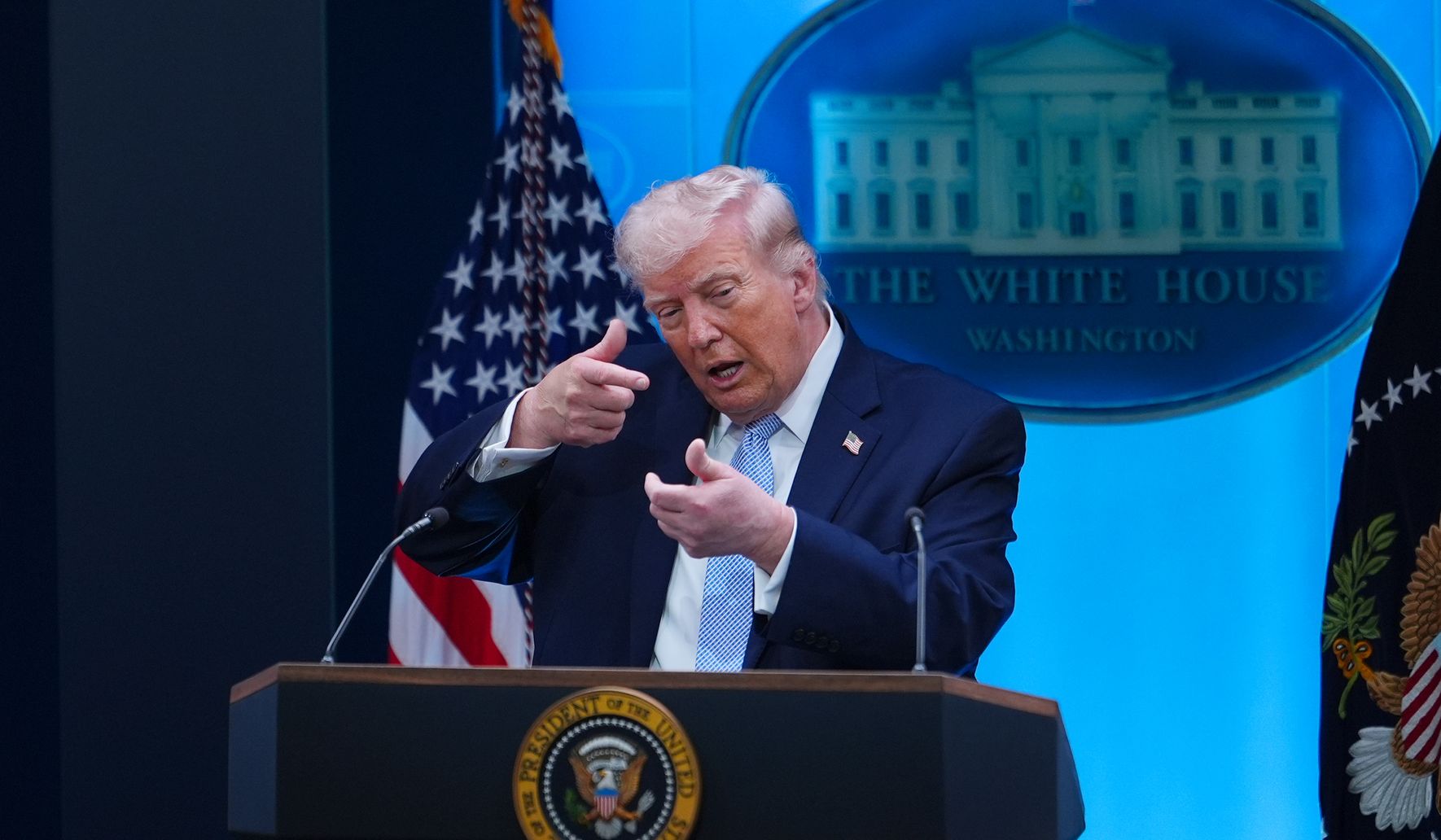
Activists are pushing for a third impeachment of President Trump, and this piece examines who is behind it, what they claim, why their polling deserves scrutiny, and what the broader political and constitutional risks might be.
“A group of liberal activists is gunning for a third impeachment of President Trump and says they’ve got polling to back it up.” That claim has been floated loudly, and it is worth looking past the headlines to see how the push is being framed. From a Republican perspective, this move looks less like accountable governance and more like an escalation of partisan tactics aimed at keeping political fights alive instead of settling them at the ballot box.
There is a clear backdrop here: President Trump has already faced two impeachment efforts, and both times the process ended without conviction in the Senate. Pushing for an impeachment a third time risks turning a constitutional remedy into a perpetual political cudgel. The danger is that impeachment becomes the default response of one party to political disagreement rather than the grave constitutional tool it was meant to be.
The activists involved point to polling as proof that the public supports a fresh impeachment effort, but polling is a tricky business. Poll questions can be crafted to elicit the answer the questioner wants, and sample selection, timing, and context all influence outcomes heavily. From a Republican vantage point, throwing around poll-driven impeachment claims is not persuasive unless the methodology and full data are presented and withstand scrutiny.
There is also a media angle that cannot be ignored. Certain outlets and campaign groups have incentives to amplify a narrative that keeps a familiar story in the headlines. That amplification can make a narrowly supported idea look mainstream. Republicans worry that this dynamic distorts public debate and rewards the loudest, most partisan voices rather than encouraging sober, neutral analysis of whether impeachment is warranted.
Politically, the consequences are unpredictable and potentially harmful to the activists’ stated goals. A third effort could mobilize the president’s base and energize voters who see yet another impeachment push as hyperpartisan. When the political backlash is strong, it can undermine the credibility of the institutions and actors who initiated the move, making it harder to marshal support for genuine accountability measures in the future.
Legally, impeachment is serious business. The Constitution sets a high bar with impeachment for “high crimes and misdemeanors,” and turning that standard into a tool driven by transient political winds would erode its gravity. Republicans argue that weaponizing impeachment for political theater sets a dangerous precedent that reduces a constitutional safeguard to a strategic play rather than a last resort.
There is also the matter of focus. Constantly reopening impeachment fights can siphon attention away from policy debates that matter to everyday Americans, such as the economy, national security, and border control. From this perspective, activists pressing for another impeachment are prolonging conflict rather than encouraging the kind of governance that delivers results to voters.
Finally, there is a practical point about timing and leverage. Impeachment is not just symbolic. It consumes lawmakers’ time, drains political capital, and occupies news cycles. Republicans see repeated impeachment attempts as a distraction that benefits no one except those who profit politically from persistent chaos. If accountability is the goal, Republicans say the right place to test politicians is the ballot box, not an endless legal and procedural replay.

