

The latest court rulings underline growing legal friction between the executive branch and the judiciary, with judges finding government actions crossed constitutional and statutory lines, particularly around online speech and limits on executive authority.
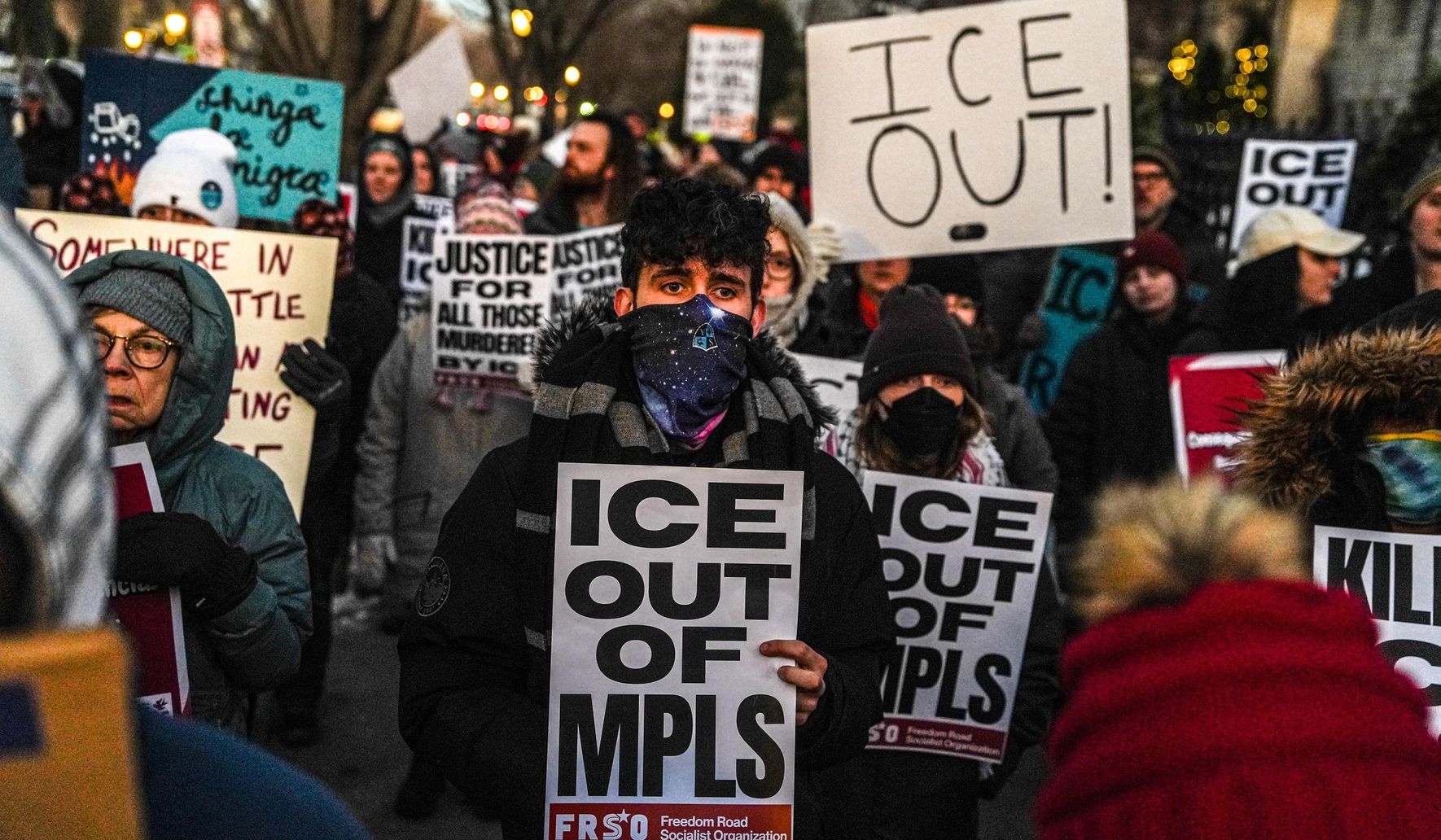
The Trump administration faces more legal setbacks after judges found the government illegally censored anti-ICE activists online and acted beyond its legal authority in trying to block doctors from d The mixed rulings reflect courts willing to step in when agencies push past clear legal boundaries. For readers following the back-and-forth between federal power and individual rights, these cases show how fragile enforcement strategies can be when they lack a firm statutory base.
At the heart of these disputes is a tension Republicans often talk about: respect for law and order paired with skepticism toward unchecked federal power. When an administration, any administration, leans on tools that bypass legal guardrails, courts frequently react to restore the balance. Those reactions can look like defeats for the president, but they are also reminders that executive action must fit within established legal limits.
One consequence of the rulings is practical: government agencies must be more careful when dealing with speech online. The idea that the state can quietly steer or silence activists sets a dangerous precedent unless Congress gives clear authority. Republicans should be vocal here about defending free expression while also insisting that law enforcement and immigration agencies have proper, transparent tools to do their jobs.
These cases also touch on professional autonomy and medical practice. Judges said the government overstepped when it tried to block doctors, which raises questions about how far regulators can reach into professional decisions. Conservatives who value both individual liberty and the rule of law should push for narrow, lawful regulations that protect patients without empowering officials to micromanage clinical judgment.
Politically, the rulings create headlines and momentum for critics, but they also offer a teachable moment for conservative policymakers. If enforcement priorities are going to survive judicial review, they need clear statutory authorization and a publicly defensible rationale. That means the next moves should focus on legislative remedies and better-crafted regulations rather than relying on ad hoc administrative power.
There is a broader institutional lesson too: judges are not supposed to be decision-makers for policy, yet they are the referees when executive actions stray from Congress’s intent. Republicans can argue for judges who apply the law faithfully while also pushing Congress to write clearer, smarter laws that give agencies the authority they need without opening the door to arbitrary action. Clarity in law protects both citizens and officials.
From a messaging standpoint, conservatives should frame these rulings around liberty and limits. Emphasize that the Constitution protects speech and that administrative agencies must operate within the law. At the same time, stress that the need to enforce immigration and health laws is real, but enforcement must be done in ways that respect legal processes and institutional checks.
What happens next will matter. Agencies facing these decisions can appeal, narrow their policies, or seek legislative fixes. Republicans in Congress have an opportunity to push for statutes that reconcile enforcement goals with constitutional protections. That approach preserves necessary tools for government while guarding against the kind of overreach that invited these judicial setbacks in the first place.
Ultimately, the episode is a reminder that political power isn’t absolute and that legal frameworks shape what administrations can do. Conservative principles—limited government, accountable institutions, and individual liberty—are a useful lens for responding. The way forward should be one that respects both the need to enforce laws and the legal boundaries that keep government from trampling rights.

