

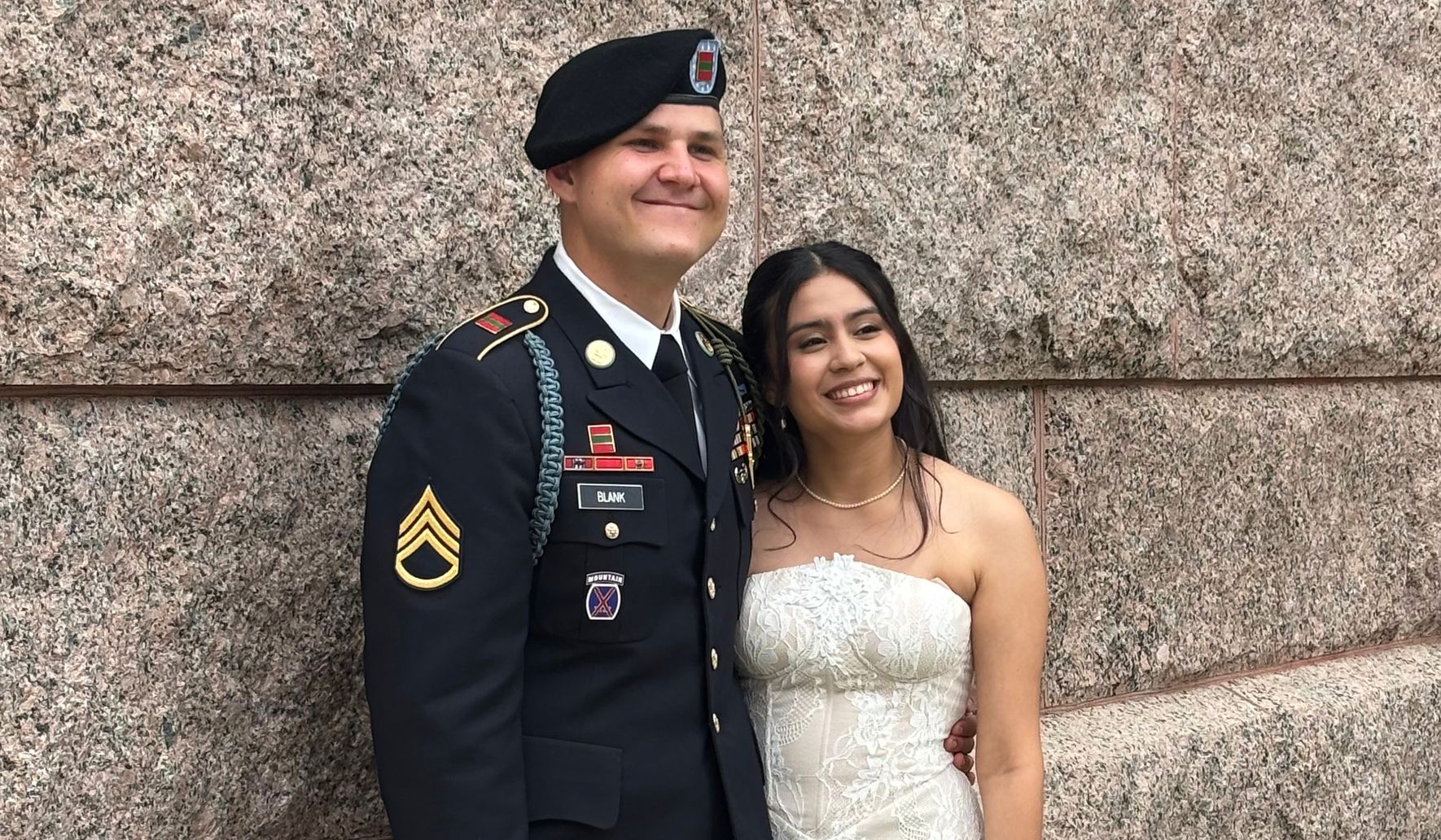
A U.S. Army staff sergeant is seeking to stop his wife’s deportation after she was detained on a Louisiana military base where the couple planned to live together just days after their wedding.
The case centers on a wife who was detained inside a Louisiana military installation, prompting her husband, a U.S. Army staff sergeant, to pursue legal steps to prevent her removal from the country. Military installations have unique security and jurisdictional rules, and detentions that occur on base can complicate immigration enforcement and access to counsel. Local and federal authorities may coordinate differently when an immigration-related detention happens on military property. That coordination can add layers of delay and confusion for families trying to sort out next steps.
The sergeant’s efforts highlight the immediate human impact when immigration enforcement intersects with military life. Spouses of service members often rely on stable housing and quick access to base services, so a detention that interrupts plans to move in together can have cascading effects. Military families frequently face tight timelines and logistical hurdles, and an unexpected detention magnifies those stresses. The proximity of the detention to the couple’s recent marriage underscores how sudden these disruptions can be.
When a noncitizen is detained, there are several procedural avenues that can affect whether deportation moves forward quickly or is paused. Requests for stays, bond hearings, and opportunities to present relief to immigration authorities can create windows for legal intervention. Defense counsel and immigration attorneys typically work to establish eligibility for forms of relief or to argue procedural errors that might warrant a pause. Timely legal representation and documentation of ties to the military spouse can be crucial components of the defense strategy.
Bases in the United States operate under federal control, but they are also embedded within local communities and rely on relationships with local law enforcement and federal agencies. That patchwork of responsibility means that records and communication about an incident may be held by different entities, from base security to Immigration and Customs Enforcement. For families, navigating which office holds which information can be frustrating and time-consuming. Clear lines of responsibility are not always obvious to people who do not work within those systems.
The fallout from a detention can include interrupted housing moves, missed appointments with military personnel offices, and complications with benefits or access to base facilities. For service members, the emotional burden of a spouse’s detention can affect readiness and morale, and it may trigger urgent requests for legal advice or advocacy from commanders. The support services available to military families vary by installation, and some resources are more readily accessible than others. Even when assistance exists, red tape and jurisdictional questions can slow down helpful interventions.
Community organizations and legal clinics sometimes step in to help military families caught up in immigration proceedings, offering pro bono consultations and guidance on paperwork or court procedures. These groups can assist with compiling evidence of family unity, proof of shared residence plans, and documentation of the service member’s role and responsibilities. Such documentation can be persuasive in hearings or in administrative requests for relief. However, access to these services is uneven and often depends on location and capacity.
When deportation becomes imminent, a range of temporary legal tools may be explored to buy time, including emergency stays or appeals in immigration court. The effectiveness of those measures depends heavily on the specifics of the individual’s immigration history, any prior orders, and the legal arguments that can be marshaled. Command advocacy rarely substitutes for formal legal filings, but statements from a commanding officer or evidence of a service member’s essential duties can play a supporting role. Ultimately, the legal process will determine whether such interventions succeed.
Cases that involve military spouses detained on base draw attention because they sit at the intersection of national security, immigration policy, and family stability. The outcome for any given household is shaped by the interaction of law, timing, and the availability of legal help. For the staff sergeant and his wife, the immediate focus remains on halting the deportation and resolving the detention so they can continue their plans to live together. The situation illustrates how quickly ordinary life can be upended when immigration enforcement and military service collide.

