

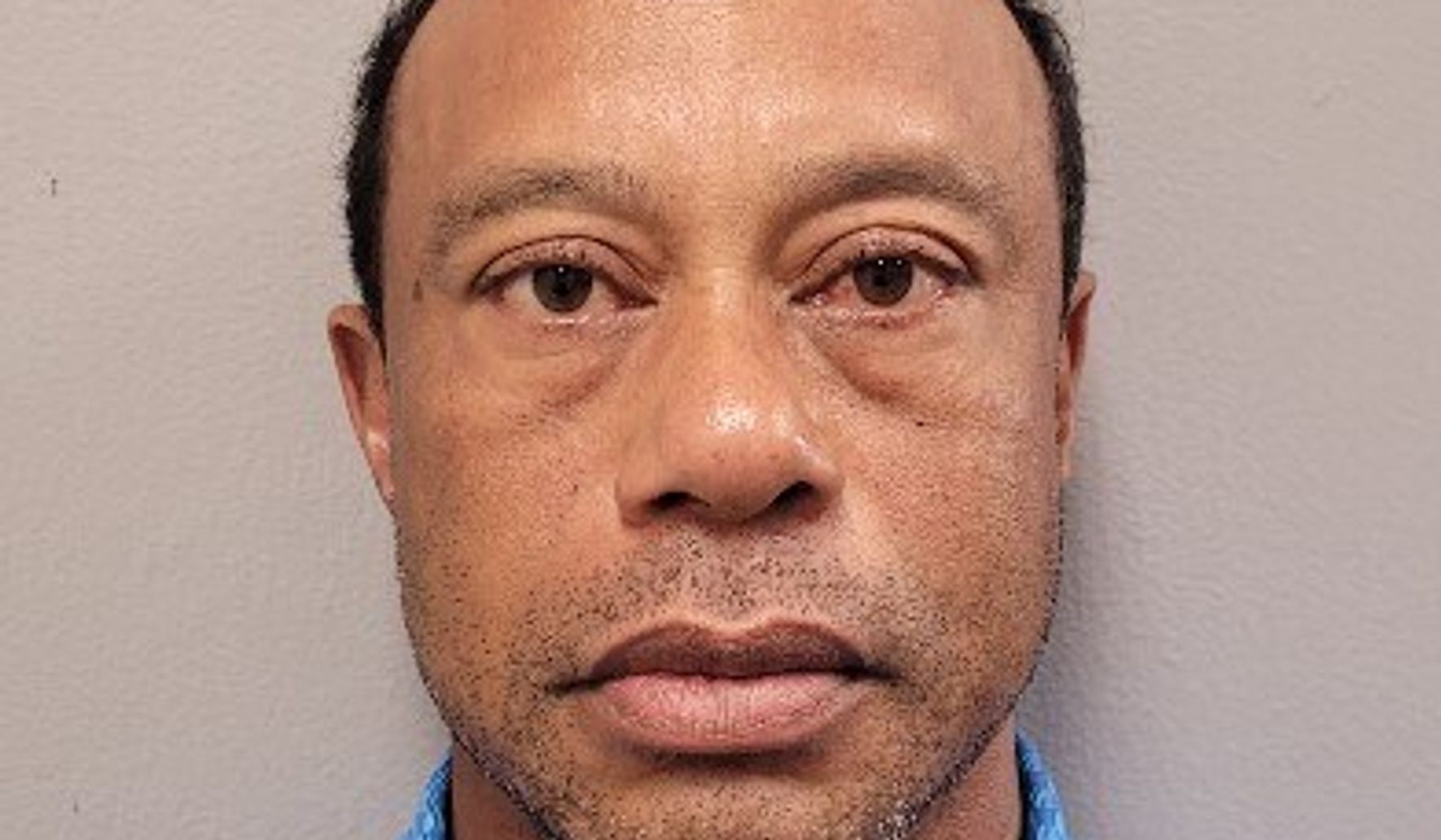
Tiger Woods’ prescription records are now part of a criminal inquiry following his Florida crash and a DUI arrest.
Prosecutors are seeking Tiger Woods ‘ prescription drug records from a pharmacy, a week after his vehicle crashed in Florida and he was arrested on suspicion of driving under the influence. That request signals prosecutors are trying to piece together what, if any, medications could have affected his driving and decision-making at the time of the crash. Records like these can show prescriptions written, refill history, and whether any medications were active on the day of the incident. Those details often help determine whether charges beyond a simple DUI are warranted.
When authorities ask for pharmacy records they typically include dates, drug names, and dosage instructions, and prosecutors can use that data to support or refute impairment claims. Privacy protections exist, but courts regularly balance them against the needs of criminal investigations, especially in cases with potential public-safety consequences. A judge may approve disclosure if prosecutors show a legitimate need tied to the alleged offense. That legal process usually involves subpoenas or search warrants tailored to specific records and time frames.
From a tactical standpoint, prescription histories can reshape a case by explaining whether someone had access to medicines that carry warning labels about drowsiness or impaired performance. Defense teams often counter by pointing to prescribed use, medical necessity, or doctor supervision, arguing that lawful treatment does not equal criminal intent. Prosecutors, on the other hand, will try to demonstrate causation between medication use and observed impairment or risky driving. That back-and-forth is common in cases where controlled or sedating substances are involved.
Because this incident involves a high-profile figure, the public spotlight adds pressure on both sides to move methodically and transparently. Media attention can skew perceptions, but the court record and admitted evidence ultimately shape the legal outcome. Courts tend to guard against trial by media, insisting on proof beyond reasonable doubt for criminal convictions. Still, reputational damage can be significant regardless of courtroom results, and that reality affects plea negotiations and defense strategies.
Another practical concern is chain of custody and the accuracy of pharmacy logs, which both defense and prosecution will scrutinize. Missing entries, clerical errors, and discrepancies between pharmacy and medical records can complicate efforts to draw clear conclusions. Expert testimony from toxicologists or pharmacologists often becomes central when the significance of a prescription is disputed. Those experts translate prescription details into likely physiological effects and can frame the debate about impairment.
Legal exposure depends on what the records show and how they match other evidence like toxicology tests, officer observations, and video if any exists. If records indicate recent fills for sedatives or narcotics, prosecutors might push for charges reflecting impairment from medication. If the prescriptions align with lawful, supervised medical treatment and toxicology is negative, the defense can argue against criminal culpability. Each piece of evidence fits into a larger puzzle that the prosecution must assemble to meet its burden.
Procedurally, the request for pharmacy records is a common next step after an arrest alleging impairment, not an unusual escalation in itself. It reflects the standard investigative arc where authorities gather medical, toxicological, and testimonial evidence to build a case. What makes this situation noteworthy is the profile of the person involved and how swiftly public and legal scrutiny converge. That combination often accelerates filings and court actions that might otherwise move at a slower pace.
For observers, the core questions are straightforward: what do the records say, how do they line up with other evidence, and will prosecutors have a clear path to proving impairment beyond a reasonable doubt. The results of that review will shape charging decisions and any plea talks if they occur. Meanwhile, legal teams on both sides will continue to maneuver within established rules to protect rights and press their positions.

