

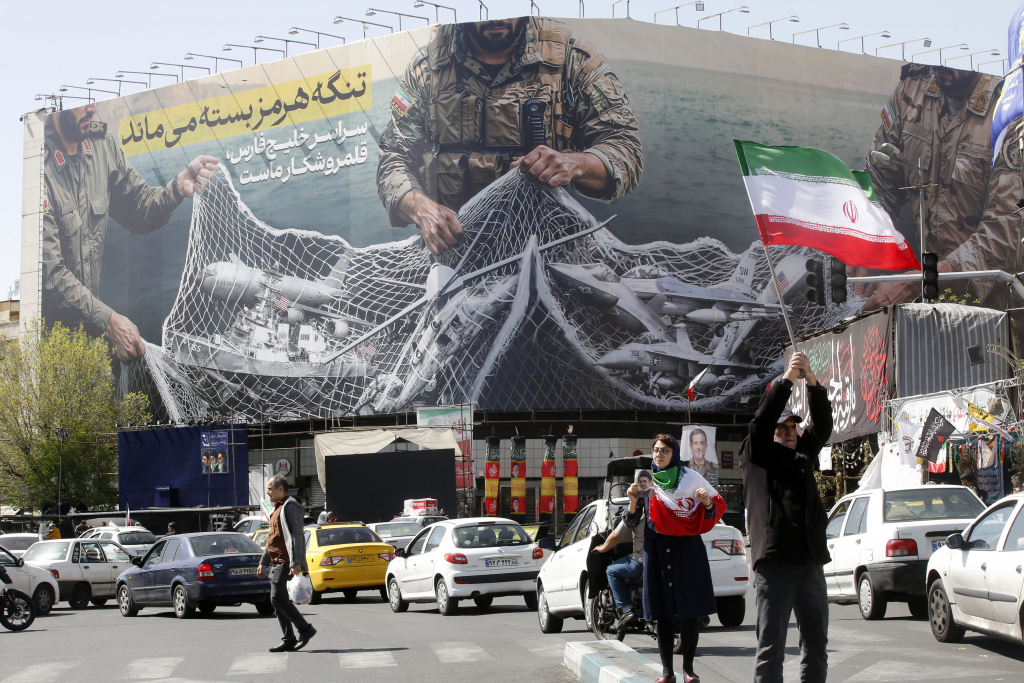
Like the national debt, politicos of all stripes treated the despotic regime in Iran as a problem for future generations to worry about – until President Donald Trump decided to make it an issue for now.
For years the Tehran regime was largely a talking point for future headlines, a distant danger packaged into committee hearings and column inches. That changed when the United States under President Donald Trump began treating Iranian aggression as an immediate security challenge, not a problem for some later political calendar. The shift forced allies and adversaries alike to re-evaluate how to manage a volatile regional power that had long operated with relative impunity.
What followed was a scramble to translate pressure into policy, and that rush produced a ten-point plan that’s now the focus of debate in capitals around the world. With the ceasefire currently holding, the world seems split regarding whether the ten-point plan presently on the table is enough to check Tehran or merely a temporary bandage. Republicans argue the plan should contain real consequences and durable enforcement, not vague promises that invite future backsliding.
The Republican view is simple: deterrence works and strength prevents war. Tossing diplomatic niceties aside for policies that actually curb Iran’s capacity to fund proxies, refine weapons, and project power is the practical path toward stability. Americans tired of endless negotiations that produce little change want a plan that ties clear actions to real penalties, not open-ended hope. That clarity is what separates credible policy from mere theater.
Critics on the left tend to favor engagement and incremental steps toward a diplomatic reset, but past deals have shown how concessions without reliable verification can make the problem worse. Republican policymakers point to the pattern: relax pressure, watch Tehran expand its influence, and then scramble to contain the fallout. The current moment gives Washington a chance to break that cycle by insisting on enforceable terms tied to measurable behavior.
Regional partners are watching nervously, and their buy-in is crucial for any plan to succeed. Some countries prefer a cautious approach that keeps channels open to Tehran, while others want robust action to stamp out Iranian influence. Republicans argue the United States must lead decisively and bring partners along with clear incentives, rather than letting allied divisions undermine a coherent strategy.
At home, the politics are unavoidable: voters want security and predictability, not surprises that embroil troops or sink markets. Republicans emphasize that credible deterrence reduces the chance of costly military engagements by making hostile actions less attractive to adversaries. That means bolstering defenses, tightening sanctions on malign actors, and building a coalition that can impose real costs if Iran breaks the rules.
There are risks in escalation, and responsible Republican leadership recognizes that careful calibration is required to avoid unintended consequences. That balance leans toward pressure backed by the means to enforce it, not appeasement dressed up as diplomacy. In practice, that looks like clear red lines, transparent monitoring, and a readiness to act if those lines are crossed.
Meanwhile, the ceasefire’s fragility shows how quickly conditions can change, and why a temporary lull is not an endpoint. Republicans argue the ten-point plan must convert short-term calm into long-term restraint by linking relief or normalization to verifiable, sequential steps. Without that sequencing, any pause risks becoming a prelude to another round of escalation once attention shifts.
Public opinion will shape how quickly leaders move from negotiation to enforcement, and Republicans generally trust voter demand for security to favor stronger measures. The party message is straightforward: face threats head-on, use American leverage smartly, and insist on accountability. That approach, they say, gives the region a better chance at lasting stability than the old cycle of concessions and renewed confrontation.
What happens next depends on political will and the ability of Washington to translate lofty goals into durable instruments of policy. If the ceasefire becomes a platform for tougher, enforceable steps, the immediate danger can be blunted and future crises avoided. If it is allowed to fade into vague agreements with weak verification, the pattern that produced the current crisis will likely repeat itself.

