

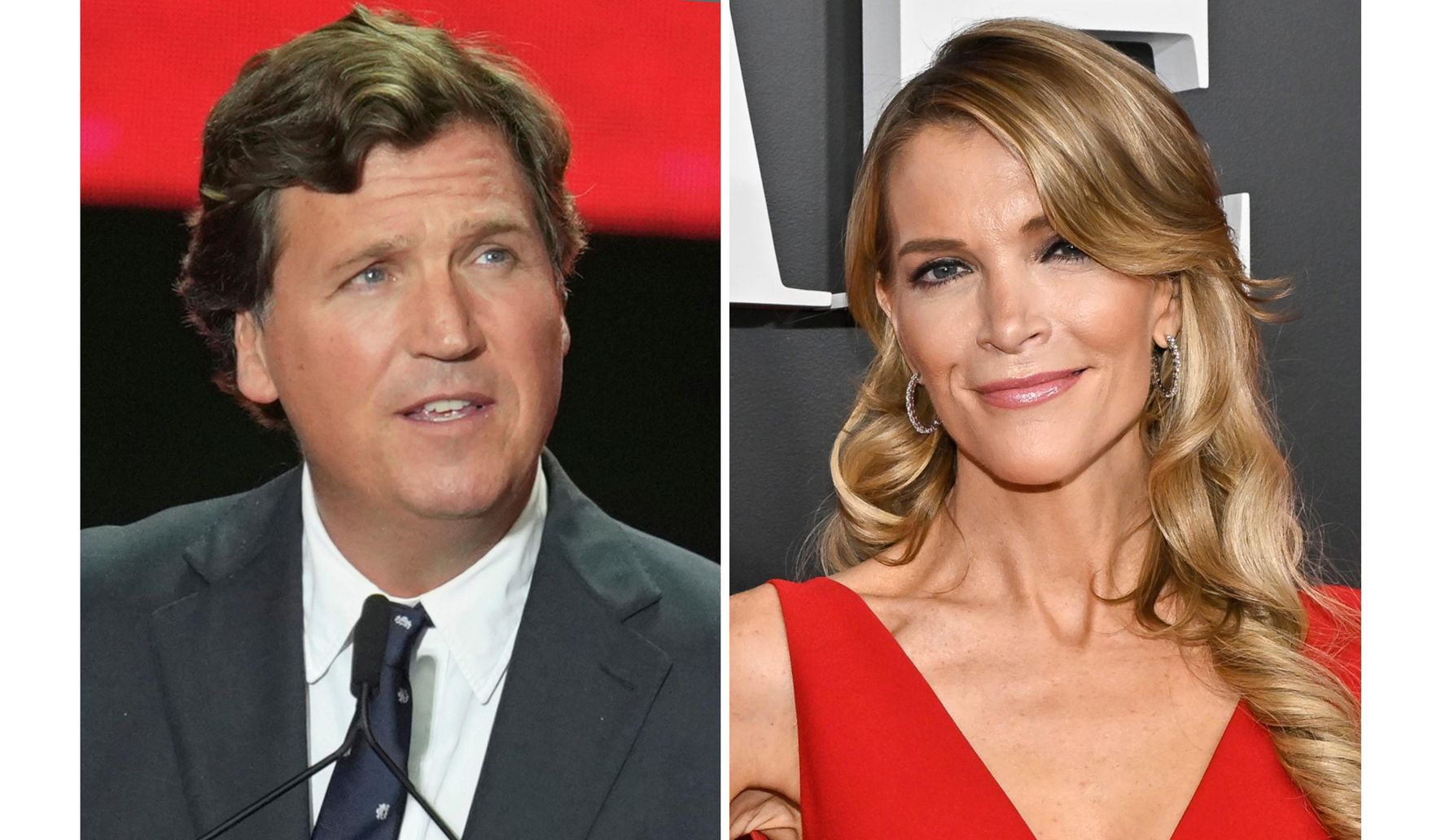
President Trump publicly slammed high-profile conservative media figures who criticized the war in Iran, calling out former allies in blunt terms while forcing a wider debate about party unity and media influence.
President Trump took aim at prominent conservative commentators after they voiced opposition to the war in Iran, and he didn’t hold back in his response. In a sharp break with past alliances, he labeled his former boosters as “dumb,” “low IQ” and “mentally ill.&q This kind of direct language has become a signature of his approach to critics inside and outside the GOP.
The split highlights a growing rift between parts of the conservative movement that prioritize a muscular foreign policy and influential media personalities who warn against escalation. Those media figures argue that the risks of a broader conflict are too high, and they have been vocal about the human and strategic costs. That stance has won them an audience anxious for restraint and wary of repeat entanglements.
Trump’s perspective is straightforward and unapologetic: he sees aggressive action as necessary for deterrence and for projecting strength, and he expects conservative media to back decisive measures. To him, public dissent from once-loyal voices looks less like principled debate and more like betrayal or opportunism. The result is a harsh public back-and-forth that eats at the appearance of unity conservatives often present to voters.
For much of his political rise, Trump relied on sympathetic commentators to amplify his message and to attack his opponents, so their recent criticism stings in a way ordinary press coverage does not. When allies turn into skeptics, it reshapes the media environment and forces supporters to choose camps. That choice is painful for a base that values both loyalty and effective leadership in dangerous situations abroad.
There is also a practical political calculation at play. When influential voices within the conservative sphere push for de-escalation, they can blunt support for the administration’s posture and complicate congressional backing for measures the White House prefers. Trump sees that as not merely tactical disagreement but as undermining national interests and electoral strength at home.
At the same time, those conservative media figures counter that their skepticism is a check on reckless policymaking and a defense of American lives and resources. They point to historical lessons and the unpredictability of regional wars, arguing the country should avoid open-ended commitments. That realist caution resonates with viewers who remember the costs of prolonged military campaigns.
The clash exposes how modern conservatism is no single thing; it’s a coalition of hawks, restraint-minded realists, populists, and media entrepreneurs. Each faction measures national interest differently, and the pressure point around the Iran conflict has made those differences public and urgent. Trump’s blunt labeling of critics makes the rift impossible to ignore and forces political actors to stake clearer positions.
Political consequences remain uncertain, but the immediate effect is to sharpen the debate within the right and to shift media coverage toward intra-party conflict rather than unified messaging. Voters will watch to see if this tension produces compromise or if it hardens into separate camps. In either case, the episode underscores how powerful media voices can be in shaping both policy debates and party identity when the country faces dangerous foreign challenges.

