

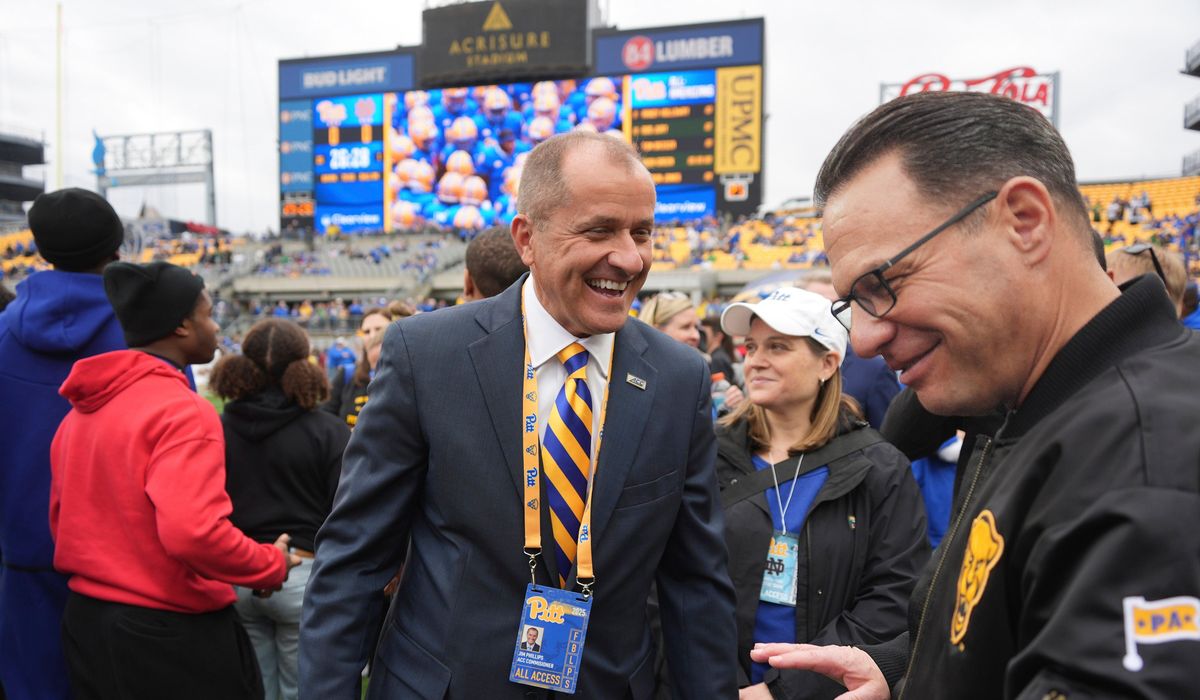
A local sports figure known as “Josh from Juniata” is stepping into statewide politics, using his sports identity and community ties to connect with voters in a competitive state and positioning himself for possible future runs.
“Josh from Juniata” is on the ballot this fall — and could be again in 2028 — staking his claim as a sports fanatic in a battleground state where sports can go where politics can’t. That line captures both the novelty and the strategy at work: a candidate who trades on fandom, shared rituals, and the clubby language of teams. This approach reads as practical politics, not theory, and it leans on real-world social points like tailgates, high school rivalries, and weekend tickets.
In places where partisan arguments grind people down, sports talk is neutral ground that actually persuades. For a Republican-leaning campaign, that means translating team loyalty into civic loyalty: encourage local pride, build community trust, and show up where people already gather. Voters often decide by who they know and who shows up, and a candidate who is present at games and events gets credibility that no ad can buy.
Campaigns in battleground states have to be creative and relentless at the same time, and using sports as a vehicle is both. It lets a candidate meet people casually, make eye contact, and have single-issue conversations that don’t immediately trigger political reflexes. For a grassroots Republican strategy, that’s gold: fewer long policy lectures, more handshake minutes and shared jokes about the hometown team.
There is a practical marketing edge as well. Stadiums, booster clubs, and youth leagues are concentrated pockets of influence that ripple through neighborhoods. A candidate who becomes a known supporter of local teams can turn those pockets into networks of volunteers and donors. It is a low-cost, high-trust way to expand reach in a state where media markets are expensive and attention is scarce.
Beyond visibility, sports tie into family and school values that resonate with conservative voters. Coaches, parents, and boosters often prioritize discipline, teamwork, and local control over schools — themes that map neatly onto common Republican messages. Framing policy points in the language of playoffs, coaching, and teamwork keeps the tone positive and relatable without diluting core positions.
Practical outreach matters too. A candidate present at youth games can listen to real concerns about school budgets, transportation, and safety in a way that TV ads cannot. Those one-on-one moments create trust and generate specific issues to address in a focused platform. That responsiveness can flip undecided voters who value problem-solving over rhetoric.
There are risks. Leaning too heavily on celebrity fandom can make a campaign seem shallow if it neglects substance. A smart campaign balances the locker-room camaraderie with clear policy proposals on jobs, public safety, and schools. Conservative voters respect authenticity, but they also expect competence and plans that are practical for everyday life.
Another risk is overreliance on moments rather than systems. Tailgate charisma wins attention, but governing requires steady competence and relationships that extend beyond a season. A campaign with a sports angle should use it to open doors, not as the only message. Follow-through on promises and an ability to work across local institutions win long-term support.
For a candidate eyeing future runs, building durable networks is the priority. Volunteer leaders from booster clubs, local business owners, and small-town organizers become the campaign’s backbone if they are treated as partners rather than props. That kind of infrastructure helps sustain fundraising, turnout, and message discipline across multiple election cycles.
Ultimately, turning fandom into political capital is a strategy that rewards authenticity, presence, and practical problem-solving. In a battleground environment, where a few thousand votes can decide outcomes, harnessing the social power of sports offers a way to connect with real people on everyday concerns. If handled well, it can be the entry point into a broader conversation about community priorities and conservative governance.

