

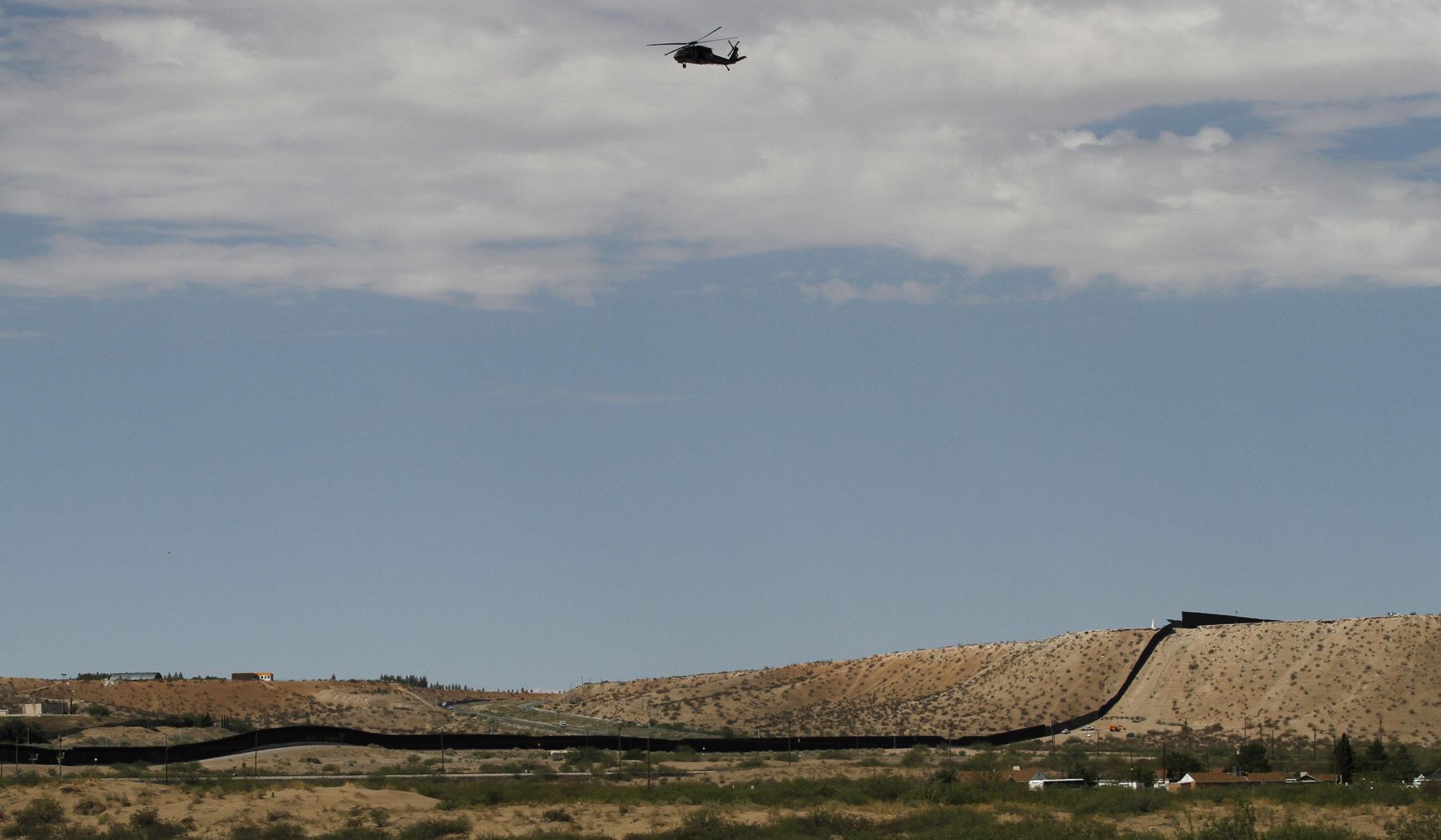
New government data shows Homeland Security recorded more than 70,000 “got-aways” last year — people who crossed the border and evaded capture — and that figure raises serious questions about enforcement, policy, and public safety.
The term ‘got-aways’ refers to migrants whom authorities believe crossed into the United States but were not detained or recorded. That count, now over 70,000 in a single year, is not a small anomaly; it is a measure of how porous parts of our border have become under current practices. For many Americans, this number confirms what they see and hear in border communities every day.
Those who study border operations say the tally is driven by a mix of criminal smuggling networks, gaps in surveillance, and enforcement decisions that leave wide stretches vulnerable. Cartels and smugglers exploit weaknesses like unstaffed stretches, difficult terrain, and limited detection technology. When officials label such crossings as ‘got-aways,’ it is an acknowledgement that existing systems failed to stop a significant flow of people.
Operationally, the problem shows up in hours of service and coverage maps. Agents can be overwhelmed, and resources are spread thin across thousands of miles. Technology that could help — from sensors to aerial surveillance — works best when paired with boots on the ground and quick interdiction. Without that coordination, promising equipment ends up as an expensive Band-Aid.
Policy choices also matter. Rules that incentivize release or limit detention capacity create pull factors that smugglers sell to desperate migrants. When enforcement signals are weak, markets adjust: routes change, prices rise, and cartels get richer. The political calculus behind those choices has real consequences on the ground and for taxpayers.
The public-safety angle cannot be ignored. Alongside human migration comes a flow of illicit goods, including dangerous synthetic drugs that have already devastated communities. Local law enforcement faces mounting pressure as neighborhoods contend with increased demand for services and the ripple effects of larger migration flows. Citizens deserve clarity about how those risks will be managed.
Accountability is a core issue here. Departments charged with protecting the border need transparent reporting and independent oversight so elected officials and the public can assess results. Congress has a role in setting priorities and funding capabilities, and state and local leaders must be part of the conversation when federal policy affects their roads, hospitals, and schools. Vague statistics are no substitute for actionable plans.
There are practical steps that work: more border agents where crossings occur, smarter use of technology, clearer asylum rules that deter fraudulent claims, and tighter penalties for human smuggling rings. Solutions should focus on stopping smuggling networks at the source and removing incentives that encourage illegal crossings. Fixes need to be durable and enforceable, not temporary political fixes.
The political dimension is unavoidable. Voters see the numbers and form opinions about who is delivering security and who is tolerating chaos at the border. That dynamic plays out in oversight hearings, budget fights, and election campaigns. Policymakers who want to restore control over the border must make tough choices and stick to them until measurable progress replaces rhetoric.
Ultimately, addressing more than 70,000 ‘got-aways’ in a year requires a sustained, realistic approach that combines enforcement, legal reform, and international cooperation. Lawmakers who prioritize secure borders need to push for the resources and rules that turn data like this from a political talking point into a problem solved on the ground.

