

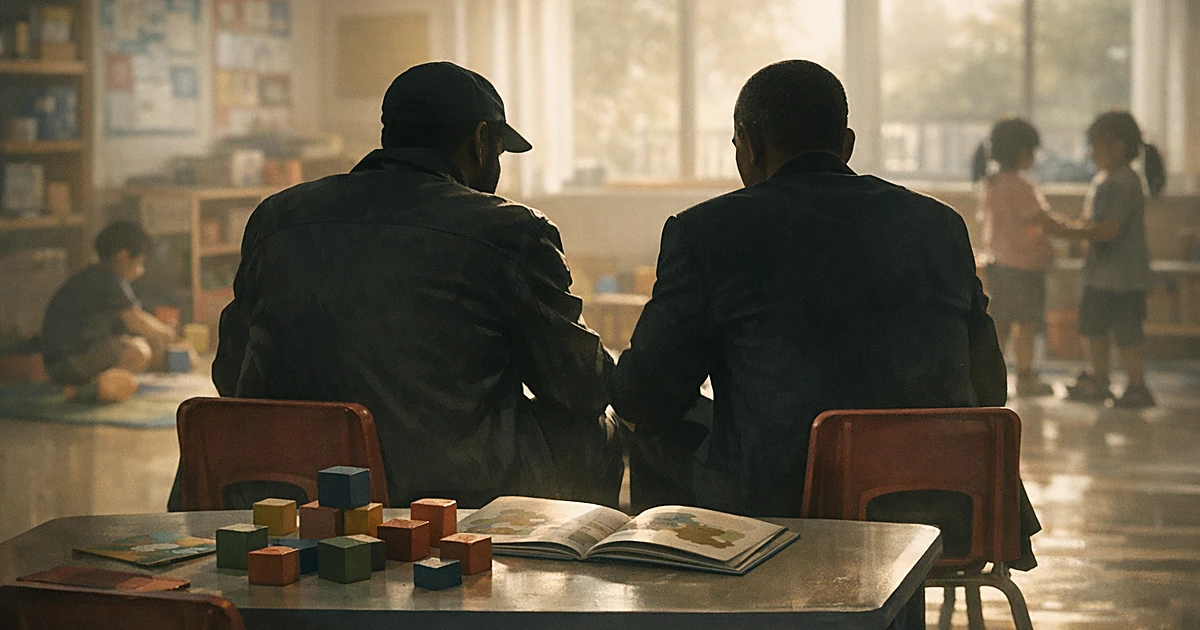
Obama met New York Mayor Zohran Mamdani at a South Bronx preschool, a staged public moment that mixes mentorship, media optics, and a brewing policy fight over a pied-à-terre tax that has drawn sharp criticism from President Trump.
The two men sat down privately at the Learning Through Play Pre-K Center before joining families to read books and sing “Wheels on the Bus” with children. The scene was gentle and camera-ready, but it arrived at a tense political moment: Mamdani is barely past his first 100 days and already sparring with the White House over tax policy. The visit looks like careful image work, with real policy stakes waiting just offstage.
Obama first phoned Mamdani on Nov. 1, 2025, offering to be a “sounding board” in a roughly 30-minute call, and he has since taken a quiet advisory posture. That kind of behind-the-scenes guidance from a former president matters and signals where influential figures are placing their chips. For a young mayor, having a high-profile mentor can open doors—and expectations.
Mamdani’s aides pushed for months to set the meeting, weighing locations and ultimately choosing the preschool for maximum visual warmth. Reading to toddlers and singing nursery songs makes compelling footage, especially when a former two-term president is involved. The choice of venue traded policy debate for soft-focus moments that play well for supporters.
The optics are more striking because Mamdani once called Obama “pretty d*** evil” on social media in 2013, a comment his office has not publicly explained or disavowed. Switching from that insult to welcoming Obama as a mentor invites legitimate questions about whether principle or political calculation drove the change. Voters should expect clarity about why such dramatic reversals happen within a short time frame.
The timing matters because Mamdani has backed a proposed pied-à-terre tax targeting second homes priced above $5 million, a measure projected to raise about $500 million annually. President Trump blasted the plan on Truth Social, writing that Mamdani “is DESTROYING New York.” Trump also threatened to cut off federal funding for the city, turning partisan rhetoric into a potential fiscal showdown that could hurt ordinary New Yorkers.
Mamdani told Gayle King on “CBS Mornings” that he and Trump stay in regular contact and that they both “love New York City.” That line aims to keep channels open even while putting up a hard-left tax agenda, a familiar balancing act for city leaders who need federal cooperation. But words and optics do not pay bills if federal support is actually withheld.
The mayor’s office framed the visit around early childhood education, describing it as “giving New York’s Cutest the strongest start possible.” That pitch explains the setting but does not change the fact that the photograph served as political reinforcement for a tax fight. Pulling a popular ex-president into a local policy dispute ramps up national attention and sharpens the stakes for taxpayers.
Neither Mamdani’s office nor Obama’s team has detailed what was discussed behind closed doors, leaving open the scope of any advisory role or strategy for the pied-à-terre fight. New Yorkers deserve transparency about who is guiding city policy and whether mentors are pushing political theater over practical solutions. The polished images in a Bronx classroom are easy to sell; the real test is steady, accountable governance when federal dollars and city services are on the line.

