

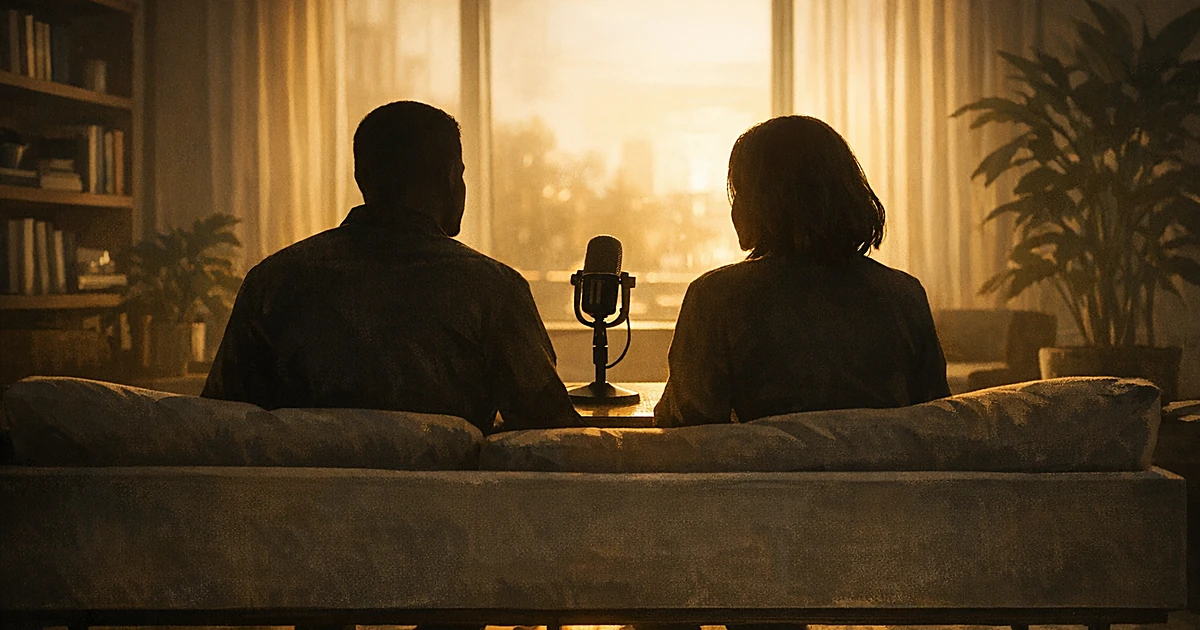
Michelle Obama used a recent “IMO” podcast episode to talk ambition, marriage and independence, blending personal anecdotes with public reassurance as she and her husband navigate life after the White House.
The episode featured WNBA star Angel Reese and unfolded as a broader conversation about what high-achieving women should expect from partners. It landed amid months of public chatter about the Obamas’ marriage, and the former first lady used the platform to push back. Those remarks mix personal advice with a clear signal about how she wants the relationship portrayed.
Reese opened the chat by describing how she wants her younger brother to find someone who matches his drive and work ethic. That setup shifted the conversation toward the dynamics of partnership when both people are ambitious. It created a natural bridge for Michelle Obama to reflect on her own marriage.
“I told my brother, like, ‘You want a woman who is also ambitious because you don’t want to be with somebody that is not driven, that is not gonna push you to be better, because when you’re slacking, you need somebody to tap you in the butt and be like, ‘Hey, you gotta get up and come on.'”
Obama leaned into that theme, praising Barack’s willingness to accept her independence and drive. She framed his early temperament as a key ingredient in their long marriage. The description was deliberately intimate, the kind of detail that deflects rumor by offering a friendlier image.
“I feel very blessed that my husband, before all of this, he had to be completely secure with all that was me, how I thought, how I moved, and it’s a rare thing.”
She also turned the discussion into guidance for her daughters, stressing self-reliance over dependency. That message grew from personal experience and from watching friends who sacrificed and then suffered loss or abandonment. It’s practical, and it’s defensive—preparing the next generation to stand on their own.
“You want a partner that can bring it all, and I tell my daughters, ‘You have to be able to do everything. I don’t want you to ever count on somebody.'”
Obama did not stop at advice; she offered a blunt warning about what can go wrong when one person shoulders too much. Her example is rooted in long-term observation, and she made it plain that dependence can leave people vulnerable. The line reads as both caution and policy for her daughters’ future relationships.
“I’ve seen too many friends who served the role, they did what they were supposed to do, and then somebody walked out on them or somebody died, unfortunately.”
The podcast also included basketball metaphors that fit Reese’s world: every teammate must be able to shoot, dribble, score, and defend for the unit to work. Obama connected that to marriage, noting the unpredictable strains life can bring. She used the sports language to make the idea concrete for a broad audience.
The timing of the episode matters. The Obamas were spotted recently on a rare date night, and public appearances like that get magnified because they are relatively infrequent. Michelle Obama has spent significant airtime this year answering and deflecting gossip about her marriage. The repeated rebuttals create a pattern worth noticing.
She directly addressed chatter suggesting trouble at home, saying that a quiet social life and fewer posted photos do not equal a broken marriage. “The fact that people don’t see me going out on a date with my husband sparks rumors of the end of our marriage. It’s like, OK, so we don’t Instagram every minute of our lives. We are 60.” That line was delivered with the kind of bluntness that undercuts tabloid logic.
After leaving the White House, Michelle Obama built a sizable media and philanthropic operation, using it to shape her public image. The podcast is now part of a larger brand that includes production work and publishing. That infrastructure makes it easy to respond at scale when narratives about her private life start to circulate.
When public figures have teams, books, and shows to push back, the dynamic is different than the experience of most couples. The production behind her responses lets her control context and cadence, which is a luxury few people possess. Whether that makes the reassurances more persuasive or more strategic is left for audiences to judge.
Angel Reese’s comments gave the episode a straightforward opening: a younger athlete talking about wanting the best for a sibling. Michelle Obama layered on decades of scrutiny and offered a message about strength, partnership, and preparedness. The conversation read as both personal counsel and a managed public message.
The Obamas continue to appear together now and then and maintain visible public profiles that keep stories alive, for better or worse. The larger point is cultural: when a former first lady spends this much time explaining her marriage, the act of explanation becomes its own public event. That reality matters for how Americans interpret celebrity and intimacy in the digital age.

