

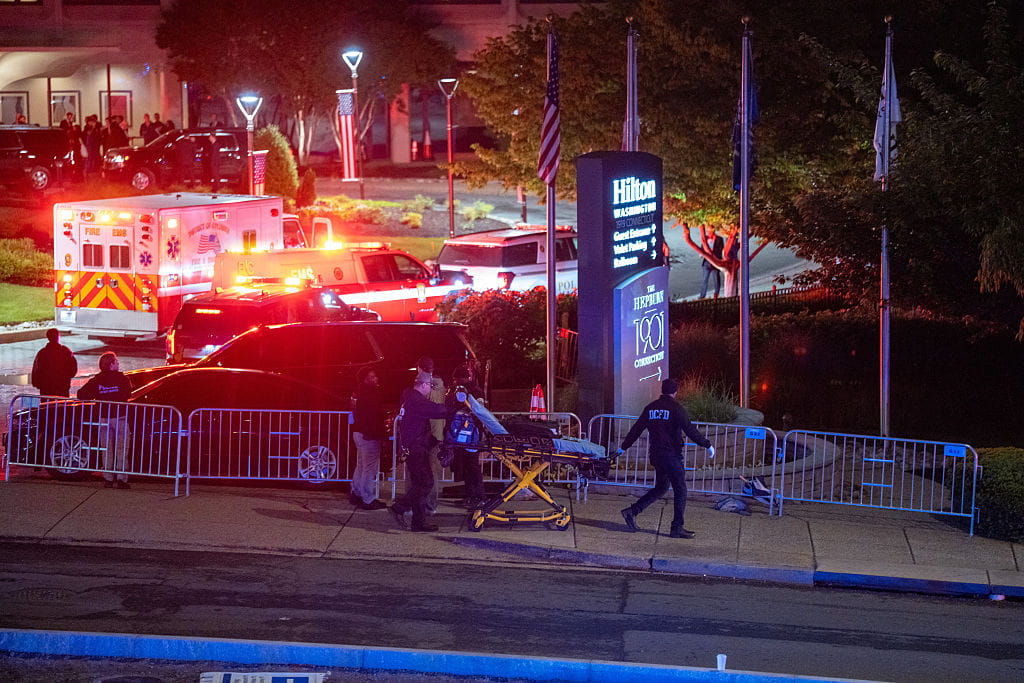
On Apr 26, 2026, the White House Correspondents’ Dinner was rocked by an attack that left attendees scrambling, raised urgent questions about security, and produced the simple, stark line: “Crowds, chaos, and unanswered questions.”
The scene at the dinner was disturbing in its unpredictability and the confusion it created for guests and staff alike. Officials have been slow to fill in the timeline, and that gap is fueling concern about who failed to prepare and why. The date Apr 26, 2026 will be remembered for how quickly a festive night turned tense.
“Crowds, chaos, and unanswered questions.” That phrase has echoed through coverage and social feeds, and it fits the moment: a room meant to celebrate the press instead became a place of uncertainty. Republicans are asking sharp questions about security protocols and the chain of command that allowed chaos to spread.
The first priority should be clear facts, but the public has had to wait for straightforward answers from officials. Vague statements and cautious press briefings only widen the trust gap between citizens and those responsible for their safety. Transparency matters when an event tied to the White House exposes weaknesses.
Security at high-profile gatherings is supposed to be tight and predictable, yet witnesses described a lack of clarity about who was directing the response. That raises practical questions about coordination among Secret Service, local law enforcement, and private venue teams. Republicans argue that accountability starts with naming the failures and fixing them fast.
The role of the White House itself is central to the political reaction, because this dinner sits at the intersection of the presidency and the press. When an incident touches both, political leaders must avoid spin and focus on security. For many conservatives, the initial messaging felt defensive rather than responsible.
Journalists in attendance are rightly concerned about safety and the precedent this sets for future events. Reporters should be able to cover government without fearing for their lives or their colleagues. Republicans emphasize that protecting the press is a nonnegotiable part of national security, even when holding leaders to account.
Social media amplified the chaos, spreading clips and reactions before officials had confirmed details. That fast flow of information is a double-edged sword: it forces swifter answers but also spreads confusion when facts are thin. Republican commentators are urging a measured approach that prioritizes verified information over viral speculation.
Legal and investigative steps are inevitable, but they must be thorough and independent enough to restore confidence. A superficial review will only produce more questions, not solutions. Conservatives insist on clear, enforceable improvements to event security protocols.
There are also practical lessons about crowd control, emergency exits, and communication plans that should be standard at every high-profile event. Training exercises and cross-agency drills are not glamorous, but they are essential. The alternative is more nights like Apr 26, 2026, when organizers scramble to improvise.
Political opponents will use the incident to score points, but the public deserves better than partisan theater. Republicans want concrete commitments: who will lead the review, what timeline will be followed, and how changes will be implemented. Vague promises won’t cut it for a country that expects protective measures around its most sensitive gatherings.
Media organizations that hosted or sent staff to the event also have a responsibility to their people and the public to demand answers. That includes internal reviews of how their teams were briefed and supported during the disturbance. Accountability should run both ways: organizers and outlets need to show what they will change.
The White House Correspondents’ Dinner has always been a mix of spectacle and substance, and this incident threatens to shift the balance away from celebration. It should motivate leaders to strengthen protections without turning the press into a fortress. Republicans stress that preserving open discourse requires safer settings, not harsher restrictions on speech.
Officials must publish a clear timeline and the names of agencies involved in the response so the public can evaluate what happened. Republicans will press for oversight hearings if answers remain unsatisfactory or incomplete. The point is simple: people need to know who is accountable.
Going forward, event planners and federal agencies should outline explicit protocols for rapid, transparent communication during any security incident. That includes a single, authoritative source for facts so that speculation does not fill the void. Practical reforms like that can prevent another night of confusion and finger-pointing.
The images and words from Apr 26, 2026 will not fade quickly, and they demand a clear policy response. The country needs a rigorous, nonpartisan look at failures and fixes, but Republicans will push for immediate steps that reinforce safety and restore trust. The press, the public, and the presidency deserve nothing less.

