

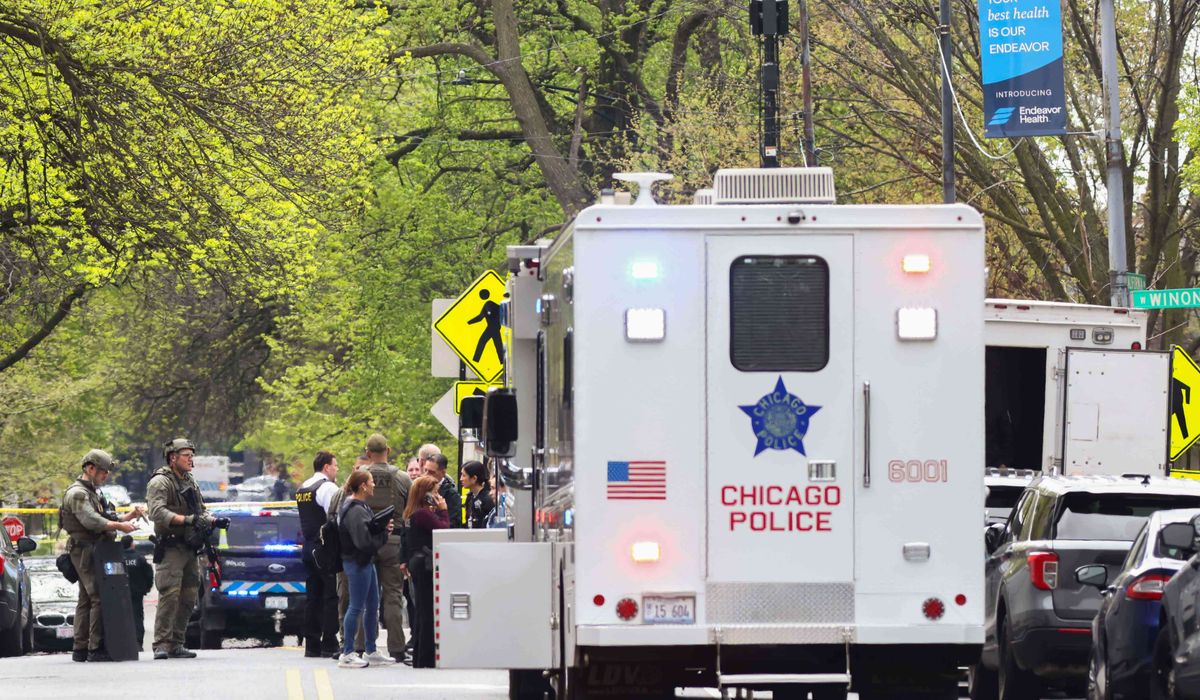
A Chicago police officer was killed inside a hospital while a suspect was under care, authorities said, and the shooting has triggered an active investigation and broader questions about custody and safety at medical facilities.
A Chicago officer who was fatally shot by a man receiving treatment at a hospital while in police custody has been identified as 38-year-old John Bartholomew, authorities said. The basic facts are stark: an officer in uniform died during what should have been a controlled medical visit for a detainee. Officials have not released a full timeline, and investigators are still assembling the sequence of events that led to the shooting.
Hospital staff, police units, and specialized investigators responded quickly to the scene, according to law enforcement sources familiar with the case. Emergency procedures were implemented and the hospital environment was secured while detectives began collecting evidence. The presence of medical personnel, security staff, and multiple law enforcement agencies complicated the immediate response and raises questions about coordination in those minutes.
Hospitals routinely treat patients in police custody, but this incident highlights the risks that can come with that arrangement. Bringing a detained person into a public medical setting requires clear plans for restraints, supervision, and contingency measures. Families, patients, and hospital staff all expect clinical care to proceed without violence, and when it fails the fallout is felt across the community.
Police departments often rely on written protocols and on-duty officers assigned to monitor custody patients, but these rules vary and are not always standardized. Critics point to gaps in training and in the allocation of responsibility when custody shifts from an arresting officer to hospital staff. Lawmakers and administrators will likely examine whether existing policies sufficiently protect both officers and medical teams.
The human cost is immediate and heavy. Colleagues, friends, and family of the officer are grieving and the department will need to support them. At the same time, emergency room workers and neighbors who witnessed or were nearby during the violence will process trauma and concern about safety in places meant for healing. That emotional dimension often drives calls for swift, transparent answers.
Investigators typically rely on multiple lines of inquiry: surveillance footage, witness interviews, medical records, and physical evidence collected at the scene. Those elements help reconstruct how a detainee obtained a weapon or otherwise gained the opportunity to fire on an officer. Until those pieces are reviewed and cross-checked, public accounts will remain partial and fragmented.
Security in hospitals is a shared responsibility, involving clinicians, security personnel, law enforcement, and administration. Operational changes after incidents like this often include reviewing visitor access controls, the placement of security staff near high-risk patients, and the clarity of roles when a patient is under custody. Any procedural changes need to balance patient care with the safety of everyone on site.
Transparency about the investigation is important for public trust, but law enforcement also balances that against the need to preserve the integrity of ongoing work. Authorities have said they will provide updates as the inquiry advances and as family notifications are completed. Meanwhile, the community will be watching how quickly and thoroughly those updates arrive.

