

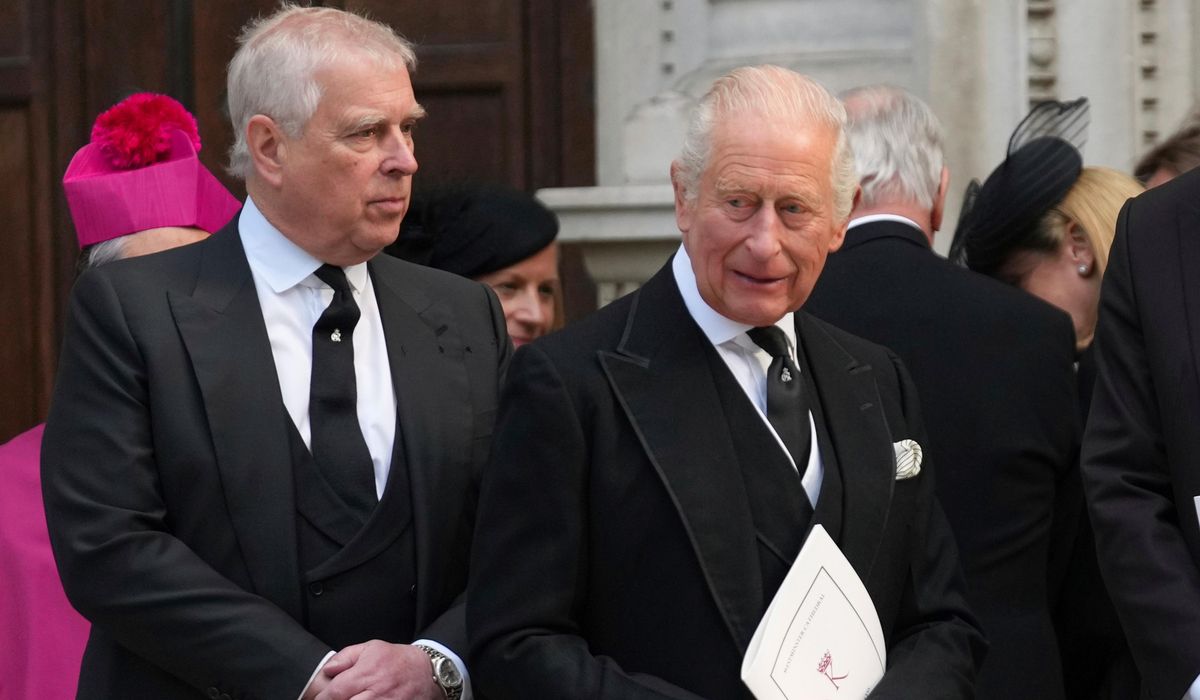
Rep. Ro Khanna has publicly urged King Charles III to speak to Jeffrey Epstein victims during his address to Congress and to rethink not meeting them, a request that mixes victim advocacy with diplomatic complications.
“Rep. Ro Khanna wants King Charles III to address the victims of the Jeffrey Epstein scandal when he speaks to Congress this week — and to reconsider his decision not to meet with them.” That request landed in the middle of a high-profile royal visit and sparked immediate debate about where support for survivors crosses into political theater. From a Republican viewpoint, the victims’ needs deserve attention, but the approach raises questions about respect for protocol and the proper role of foreign dignitaries.
Victims deserve compassion and a path to accountability, and any sincere effort to give them a platform should be taken seriously. Republicans generally support strong law enforcement and justice for survivors, and they recognize the moral weight of acknowledging victims in public settings. Still, there is a concern that asking a monarch to intervene blurs lines between symbolic gestures and substantive remedies.
King Charles is a constitutional monarch whose role is deliberately apolitical, and many conservatives see value in keeping that tradition intact. Pressing a visiting head of state or monarch to take a stand on a domestic legal controversy risks politicizing a diplomatic visit. The optics of turning a congressional address into a forum for one side of a tragedy can undermine both the dignity of the victims and the stability of established norms.
Lawmakers can and should pursue concrete measures to help survivors, such as improving reporting systems, supporting prosecutions, and strengthening restitution mechanisms. Those are actions with lasting impact, not just moments in the spotlight. From a Republican stance, practical policy changes and oversight are preferable to staging public confrontations that serve headlines more than justice.
At the same time, the choice by King Charles not to meet victims is a sensitive matter that deserves explanation and empathy rather than immediate political condemnation. Diplomacy often relies on private conversations to resolve delicate issues, and an insistence on a public meeting can close off those channels. Conservatives often favor measured solutions that protect both victims and the integrity of international relationships.
There is also a practical downside to public grandstanding: it can make survivors into symbols rather than people with ongoing needs. A responsible response prioritizes long-term support over one-time acknowledgments. Republicans tend to argue that sincere, sustained engagement is superior to episodic displays of concern that fade after a news cycle.
Another conservative concern is precedent. If Congress begins to expect foreign leaders to intervene on contentious domestic matters, every diplomatic visit could become a stage for partisan pressure. That would weaken the predictable, nonpartisan interactions that keep international relations functional. The better path is to strengthen domestic institutions so victims are heard and justice is pursued without pulling visiting dignitaries into the fray.
The core issue remains clear: survivors deserve recognition and meaningful remedies, but tactics matter. Republicans emphasize orderly process, legal remedies, and respect for time-honored diplomatic norms while supporting victims’ rights. This episode highlights the tension between public outrage and responsible governance, and it will test whether lawmakers choose durable policy or performative confrontation.

