

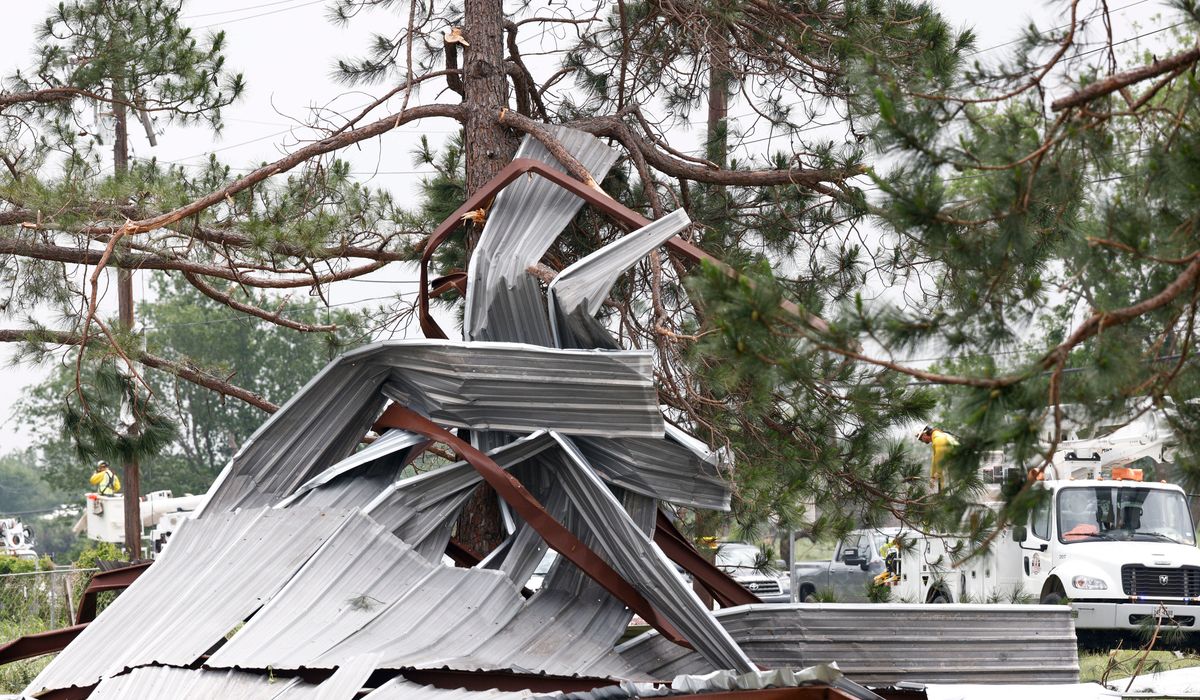
A tornado-producing thunderstorm in northern Texas left at least two people dead and displaced at least 20 families, with many homes suffering major damage, authorities said Sunday.
The storm moved quickly across parts of northern Texas, turning a routine late-season thunderstorm into a deadly tornado-producing event that damaged neighborhoods and infrastructure. Emergency crews and local officials were on scene Sunday, assessing collapsed structures and clearing debris from streets to restore limited access. The scale of destruction left many families without homes and forced a rapid, chaotic response from community and emergency services alike.
Officials confirmed at least two fatalities and reported that at least 20 families had been displaced after homes were badly damaged or became unsafe to occupy. Many structures suffered major damage, ranging from ripped roofs and shattered windows to walls and garages destroyed by intense winds and flying debris. Authorities said Sunday that search-and-rescue efforts were ongoing where the worst damage had been recorded.
The human cost of the storm extends beyond the two confirmed deaths, with displaced residents facing immediate needs for shelter, basic supplies, and emotional support as they deal with sudden losses. Neighborhoods that were once quiet on Sunday morning had scenes of emergency activity by afternoon, with tow trucks, utility crews, and volunteers assisting where they could. Local officials emphasized situational awareness as teams worked to identify hazardous areas and restore essential services.
Infrastructure took a hit as well, with reports of downed trees and power lines that complicated response efforts and left some areas isolated until crews could safely clear roadways. Utility and public works teams focused on reconnecting services while coordinating with first responders to prioritize the most urgent repairs. The timing and intensity of the storm challenged those operations, prolonging the period before normal routines could resume for many households.
First responders and emergency managers set up command posts to coordinate recovery and to document damage for potential follow-up assistance, while community centers and local organizations began offering support to displaced families. Authorities said Sunday that they were cataloging structural damage to determine which homes were safe to re-enter and which would require longer-term repairs or demolition. That process is crucial for both immediate safety and for planning how to restore normalcy to hard-hit blocks.
Neighbors and volunteers played a visible role in the early response, helping push through debris, checking on vulnerable residents, and sharing information on where help could be found. Local leaders noted that community networks often provide the fastest, most flexible support in the hours after a disaster, bridging gaps before outside aid arrives. That grassroots assistance has been essential in stabilizing conditions while official assessments continue.
Meteorologists pointed to the kind of volatile atmospheric setup that produces tornadoes during strong convective storms, where high winds and rapidly shifting conditions can create brief but powerful vortices. Severe weather like this is not always easy to predict with pinpoint accuracy at the neighborhood level, which complicates preparations and increases the risk for anyone caught in its path. As crews sift through the wreckage, weather services will be analyzing the event to refine warnings and improve short-term forecasting.
Investigations into the exact track and intensity of the tornado-producing thunderstorm are expected to continue as officials collect data and eyewitness accounts to map damage patterns. Authorities said Sunday that those assessments will guide decisions on rebuilding, potential mitigation measures, and how to support affected families in the weeks ahead. Recovery is already underway, with emergency teams, utility crews, and community volunteers laying the groundwork for longer-term assistance and repairs.

