

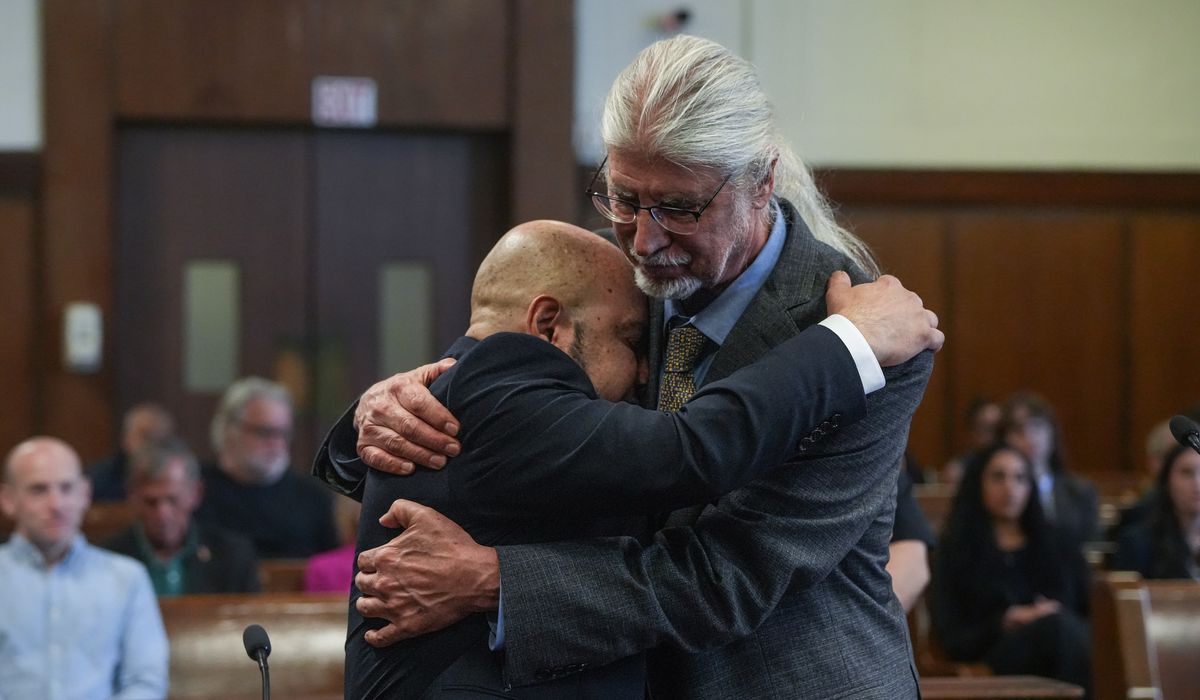
A Manhattan judge has vacated a murder conviction after a review found new evidence that may have been withheld by prosecutors, ending a 25-year stint behind bars for the defendant and raising serious questions about disclosure and fairness in the case.
The court’s decision came after an extended review of files and testimony that turned up material the defense had not previously seen, and the judge concluded that those discoveries undercut confidence in the original verdict. The man at the center of the ruling served 25 years before the conviction was tossed, a fact that sharpens the human cost of potential missteps in the justice process. Local observers say the move highlights how post-conviction reviews can expose problems that weren’t obvious during trial.
Prosecutors are legally obligated to share exculpatory evidence with the defense, and when they do not, courts can find that a conviction is unsafe. That disclosure duty exists to prevent wrongful convictions and to ensure the jury has access to the whole picture when deciding guilt. When a judge determines that withheld material could have affected the outcome, the proper remedy can include vacating the conviction, which is what happened here.
Vacating a conviction does not automatically erase every consequence that followed the verdict, but it does reopen the legal status of the case and the person involved. The judge’s action may trigger further hearings, possible retrials, or an outright dismissal if prosecutors choose not to proceed without the tainted record. Meanwhile, the individual who spent 25 years in prison faces the immediate challenge of rebuilding life outside prison walls and navigating whatever remedies the court orders next.
The uncovering of undisclosed evidence prompts questions about how the prosecution handled the case from the start, and whether institutional practices allowed material to be omitted from what was turned over to defense lawyers. That scrutiny can extend beyond a single prosecutor to office-wide policies, record-keeping, and the handling of witness statements and forensic materials. Accountability measures can include internal reviews, disciplinary proceedings, or court-ordered sanctions if misconduct is found.
For the criminal justice system, cases like this feed broader concerns about wrongful convictions and the mechanisms meant to prevent them. Independent reviews, transparency in evidence sharing, and thorough defense access to investigative files are all part of reducing the risk that an innocent person spends decades behind bars. The public reaction often centers on trust: when evidence goes missing or is mishandled, confidence in verdicts and in prosecutors’ work takes a hit.
Moving forward in this case will involve several technical steps in court, including motions, potential new disclosures, and decisions about whether to retry the charge based on the available evidence. Defense counsel can press for immediate relief, while prosecutors must weigh the strength of the case absent any information that was improperly withheld. The judge’s decision to vacate the murder conviction sets the stage for those next legal moves and ensures the controversy over disclosure will be central to whatever happens next in the courtroom.

