

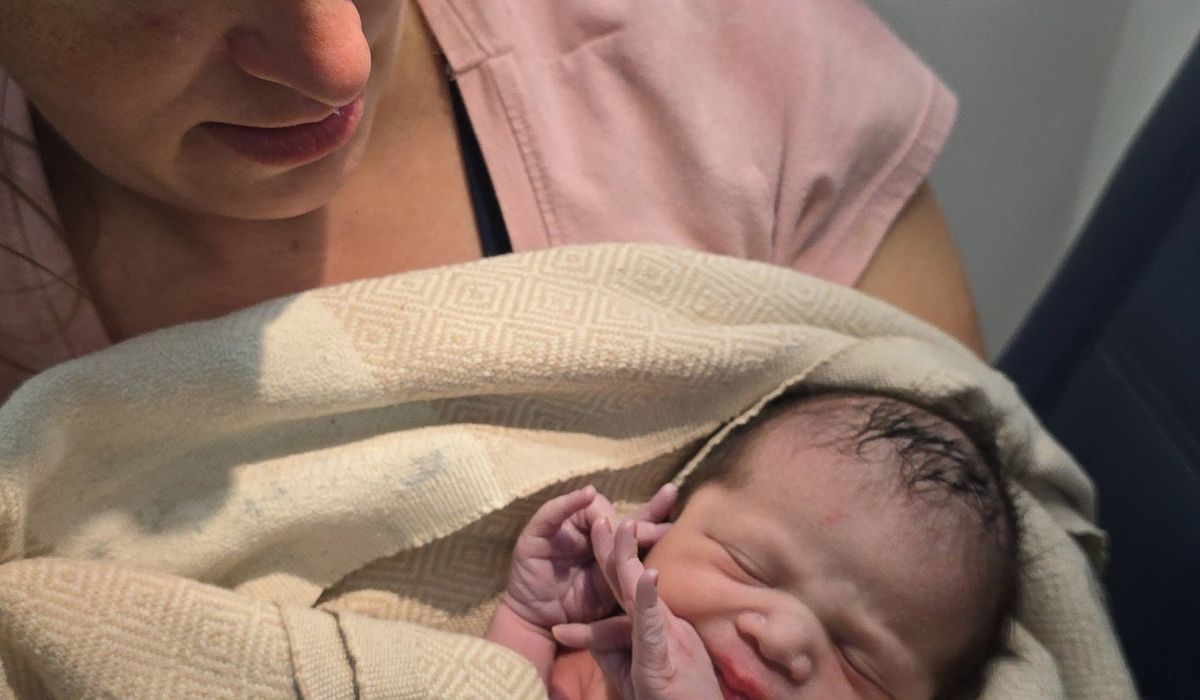
This article looks at unexpected births aboard airplanes, the crew response, and the practical and policy issues airlines and passengers face when delivery happens at 30,000 feet.
Airplane deliveries are rare but dramatic events that test training, equipment, and quick thinking. When a birth happens mid-flight, flight attendants, volunteer passengers, and sometimes ground medical teams must work together under cramped, noisy conditions. The experience highlights how airlines prepare for medical emergencies and where gaps still exist.
Cabin crew are trained to assess medical situations and follow protocols that prioritize safety for both mother and infant. That training covers CPR, bleeding control, and use of onboard medical kits, which typically include basic obstetric supplies rather than full delivery suites. Decisions about whether to divert are made by the captain in consultation with medical professionals on the ground when available.
Passengers sometimes end up helping, offering blankets, towels, or calming support while crew coordinate with pilots and air traffic control. The cabin environment—limited space, turbulence, and loud engines—adds stress to an already intense situation, so crews are trained to keep the cabin calm and to organize space for the mother. In many cases a birth happens quickly, and crew rely on clear roles and communication to keep things moving.
Airlines vary on policies after an inflight birth, especially regarding medical care on the ground and whether the aircraft must divert. Some carriers have standing rules about taking off or landing with a newborn, while others leave it to the captain’s judgment and medical advice. In any case, the priority is immediate safety, followed by arranging the fastest route to proper medical facilities.
The legal and logistical side of a midair birth can be surprisingly tricky, because jurisdiction depends on where the aircraft is at the moment of delivery. Registration, citizenship, and documentation issues may follow, and families often need to work with embassies or consulates after landing. Airlines typically assist with logistics but they are not a substitute for medical or legal authorities.
Practical limitations matter: there is no sterile operating room on a commercial jet, so infection control relies on basic cleanliness, quick assessments, and swift transfer to a hospital when possible. Flight attendants use medical kits that include gloves, basic instruments, and supplies but not the full range found in hospitals. That reality shapes crew training, emphasizing rapid stabilization and minimizing complications until proper care is reached.
Communication is critical in these incidents, and flight announcements are handled with care to avoid panic. Yet there is a memorable, almost surreal moment when routine safety phrasing gives way to something far more human: “Please fasten your seatbelt, make sure your tray table is in an upright and locked position, and prepare for delivery.” That exact line captures how ordinary procedures and extraordinary events collide at once.
After landing, families and crew often face paperwork, insurance questions, and follow-up care needs that extend well beyond the flight itself. Airlines sometimes offer assistance with transport and liaising with local authorities, but medical facilities and local laws ultimately determine next steps. For travelers, the best preparation is honest communication about health concerns before boarding and knowing where to find medical advice during the trip.
In-flight births remind us that air travel can surprise us, and they showcase the value of clear training, decent medical kits, and calm leadership in cramped spaces. While rare, these events push airlines to adapt procedures and highlight how crew professionalism can make a life-changing difference. The goal in every case is straightforward: safe delivery on board and rapid transfer to the right medical care on the ground.

