

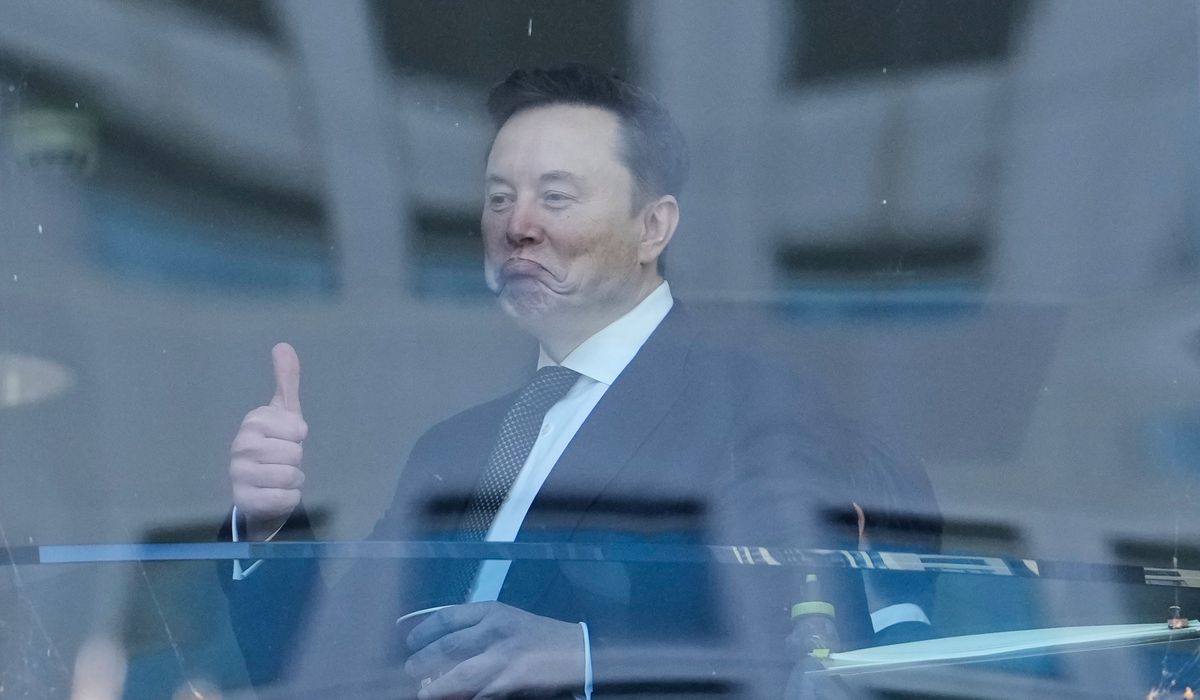
Elon Musk took the stand for the second day Wednesday in the landmark trial that pits the world’s richest person against Sam Altman, a fellow OpenAI co-founder he accuses of betraying promises to
The courtroom has turned into a rare stage where tech vision, corporate promises, and money meet law. Witnesses and documents are lining up to explain how a once-tight band of founders ended up in a high-stakes legal battle. Observers are watching not just for legal rulings but for signals about how control and incentives get decided in fast-moving AI ventures. The trial’s mix of personal testimony and technical history is making it more than a dispute over contracts.
Musk’s presence in the witness box is central because of his reputation and role in OpenAI’s early days. He has argued publicly that certain commitments were made and later ignored, and his testimony aims to put those claims on the official record. Testifying for a second day gives him more time to lay out the sequence of events as he sees it. That extended time also gives the court a clearer view of how his version of the facts matches other evidence.
Sam Altman, identified in filings as a co-founder with a leading operational role, is defending the decisions that followed OpenAI’s rapid growth. The legal filings frame the dispute around whether promises were formalized and whether later choices breached those understandings. Both sides are relying on emails, internal notes, and recollections from the people who lived through the startup phase. Those materials are being parsed line by line to link conduct to legal duties.
Lawyers on both sides are using a common courtroom tool: contrasting big-picture narratives with tight documentary timelines. That means the story is told twice, once as a sweeping account of mission and values and again as a minute-by-minute ledger. Judges and juries often prefer the documents when memories differ, so exhibit-heavy strategies dominate. Expect more of the same approach as the trial moves into technical and contractual specifics.
Beyond the founders, attention has shifted to the board-level decisions that shaped OpenAI’s path. How the board acted, who agreed to what, and how those votes were recorded are central questions. Corporate governance documents, bylaws, and minutes are now being used as evidence to test competing claims about who held authority. The trial effectively doubles as an inquiry into the governance structures tech companies adopt when they scale quickly.
Financial consequences are a big part of why this case matters to outside investors and other startups. If courts tighten the rules around founder promises, dealmaking could become more formal and slower in the early stages. On the other hand, if informal assurances are treated as enforceable, founders may face harsher legal exposure later. Either outcome will influence how entrepreneurs and investors draft agreements and structure control going forward.
The public and the market are also watching potential reputational fallout. Trials that air internal disagreements can reshape how talent and partners view a company. OpenAI’s work sits at the intersection of ethics, regulation, and commercial pressure, so any perception of internal discord can ripple into partnerships and hiring. For firms that depend on trust and expertise, sustaining a clean public image matters as much as winning a legal argument.
Whatever the judge decides, the case will leave a trace on the legal playbook for tech founders and funders. Expect clearer guidance from future settlements and rulings on how to document promises and how to handle governance transitions. The courtroom is doing more than resolving a dispute between two founders; it is producing precedents that could redefine how fast-moving tech projects are organized. That is why this trial is being watched closely by people far beyond Silicon Valley.

