

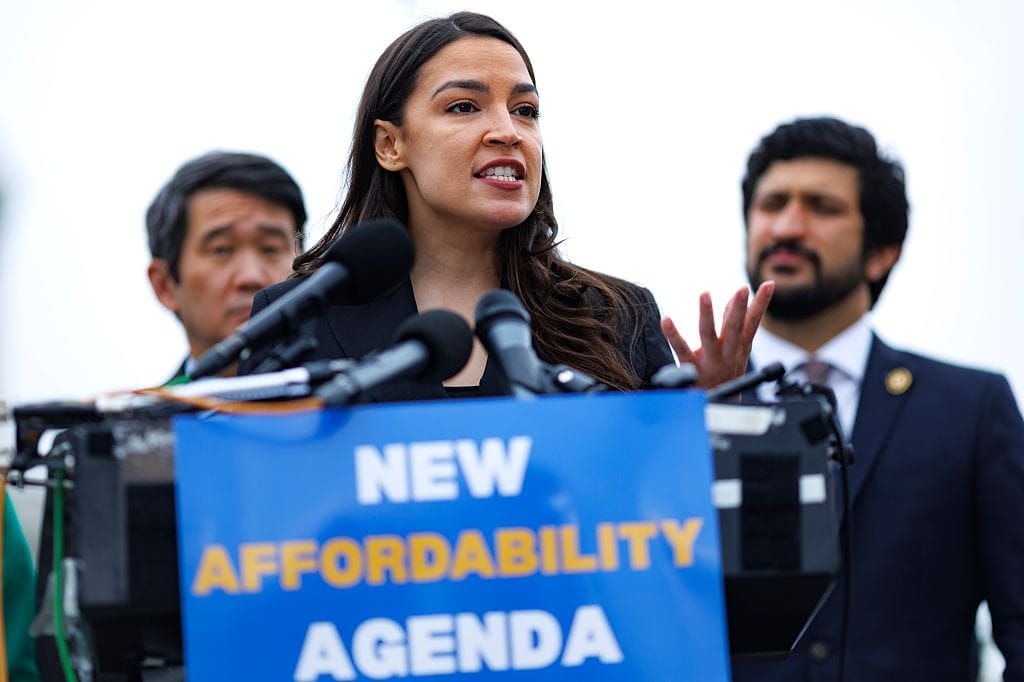
Alexandria Ocasio-Cortez has turned wealth talk into a political brand, pitching resentment as policy and making money the constant headline of her public life.
On May 10, 2026, the conversation around AOC still centers on the same theme she’s carried since her first campaign: the politics of money. “Money, money, money – and why AOC can’t stop talking about it.” That line has become shorthand for a strategy that treats income and success as the central grievance to exploit.
Her language frames economic life as a moral battle between the virtuous poor and the sinful rich, which appeals to people fed up with elites. From a conservative perspective, that playbook is dangerous because it turns legitimate policy debates into class warfare. It strips nuance from discussions about growth, innovation, and the freedoms that produce prosperity.
AOC’s emphasis on redistribution ignores trade-offs that matter to everyday voters, like job creation and the incentives that drive investment. Constant emphasis on wealth transfer risks shrinking opportunity rather than expanding it, because businesses and entrepreneurs respond to policy signals. Criticizing success without offering clear, sustainable alternatives is a familiar left-wing tactic, but it has real consequences.
Her rhetoric also generates media headlines and donor attention, which keeps her relevant in national fights. That visibility translates into political capital she then spends on pushing big government solutions. Conservatives argue this approach is more about identity politics and spectacle than about delivering measurable improvements in people’s lives.
When AOC talks about taxation and billionaires, she often conflates wealthy executives with small business owners and innovators who create jobs. Republicans point out that punitive tax policies can backfire by discouraging investment and encouraging tax avoidance. The debate should be about how to lift living standards, not just punish success.
What makes AOC’s style effective is its simplicity and moral clarity, which resonates with voters who feel left behind by the economy. But simplicity can hide complexity, and mobile, modern economies require careful policy calibration. Conservatives push for solutions that preserve incentives for risk-taking while helping those who truly need assistance.
On the campaign trail, AOC’s critics see a mismatch between rhetoric and results. Promises of sweeping fixes are often accompanied by policy plans that are light on implementation details. GOP voices warn that grand gestures without sustainable funding or economic realism lead to unintended harm for the very people they claim to help.
Politically, this strategy has two effects: it energizes a base and it polarizes the center. Republicans can use that polarization to draw clearer contrasts about economic stewardship and individual liberty. Emphasizing opportunity, enterprise, and accountable government provides a counterweight to a politics focused on envy.
At the same time, the left’s focus on money taps into real frustrations—stagnant wages, housing costs, and uneven growth. Ignoring those issues is politically risky, so conservatives must propose credible, growth-oriented reforms that address affordability and mobility. Offering tangible alternatives exposes the limits of rhetoric that centers on resentment rather than results.
The ongoing debate over wealth and power will shape elections and policy for years to come, with AOC as a prominent voice on the redistributionist side. Voters will decide whether they prefer messages built around redistributing wealth or ideas aimed at creating more of it. Republicans argue that a future built on opportunity beats one rooted in perpetual grievance.

