

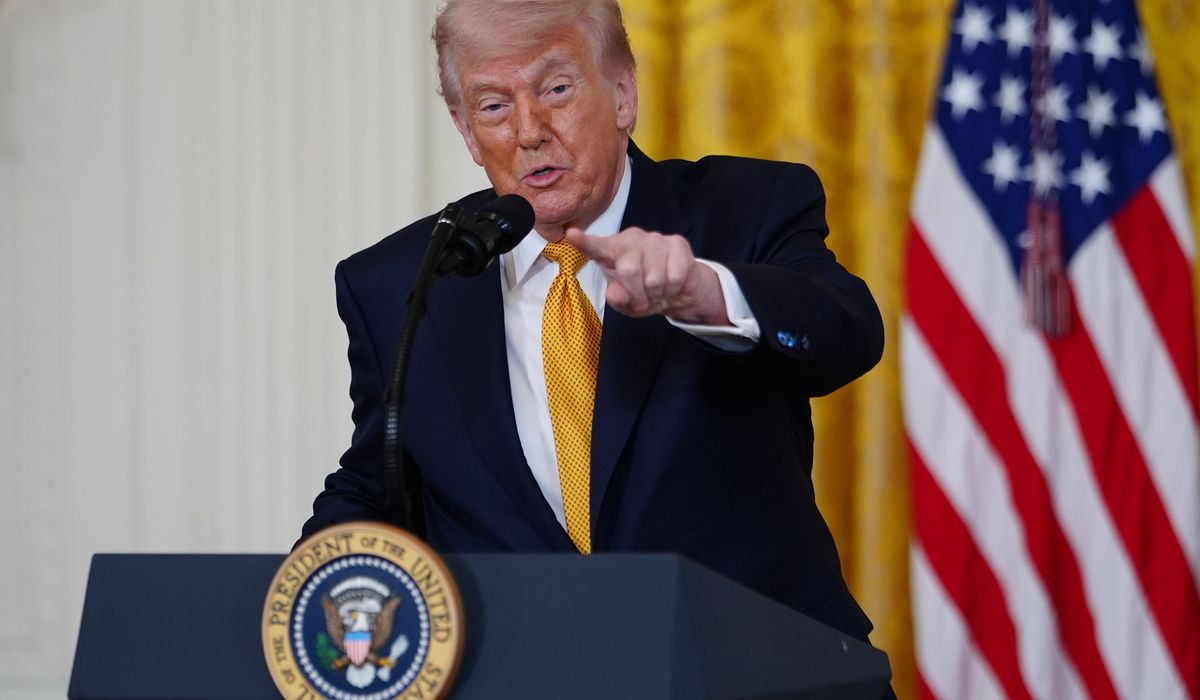
President Trump slammed the Iranian regime for “playing games” while his team examined Tehran’s response to a peace proposal that asked the Islamic republic to abandon its nuclear weapons program, and he pushed for firm, results-driven diplomacy rather than vague negotiations.
President Trump wasted no time making his position clear, calling out Tehran for delay and obfuscation instead of concrete action. He framed the administration’s review as a deliberate, strategic pause to separate serious offers from stalling tactics. In this view, tough talk and clear demands are tools to force accountability from a regime with a long history of bad behavior.
The White House team dug into Tehran’s written reply and weighed the practical steps that could be enforced, looking for verifiable commitments rather than promises. Officials emphasized that any arrangement must include on-the-ground verification and immediate, reversible consequences for noncompliance. From the Republican perspective, diplomacy without teeth risks rewarding bad actors and encouraging further aggression.
Trump’s public rebuke was concise and pointed: he accused the Iranian leadership of “playing games,” signaling impatience with diplomatic theater. That phrase captured the administration’s frustration with responses that talk about cooperation while leaving critical steps undefined. Republicans generally see such language as necessary to signal seriousness and to avoid being drawn into open-ended bargaining that yields little real security.
Behind the scenes, advisers reviewed intelligence, enforcement options, and the legal mechanisms that could back any agreement. They considered sanctions architecture and contingency plans designed to snap back if Iran drifted from explicit obligations. The goal was to make sure any plan produced durable results and preserved leverage, not to hand Tehran a reputational win without measurable change.
Supporters of the hardline approach argue that a firm stance protects American interests by raising the cost of bad behavior. They point to past deals that lacked verification and allowed the regime to duck intrusive inspections, rebuild capabilities, or fund proxies across the region. For those voters, credibility comes from clarity and consequences, and the administration’s posture was meant to restore those principles to U.S. policy.
Critics warned that a confrontational tone could derail diplomacy, but the Trump camp insisted there’s a difference between testing limits and surrendering them. The administration maintained that America should remain open to credible offers that stop nuclear advances and restrict regional destabilization, provided they’re enforceable. Republican messaging stressed that peace enforced by strength beats fragile agreements that unravel when political winds shift.
Military options remained a background reality, and planners kept contingency strategies in reserve as leverage for negotiations. That kind of readiness, the administration argued, strengthens the hand of diplomats and sanctions officials alike. In Republican thinking, showing a credible alternative to an agreement makes an outcome more durable because it deters cheating.
As the review continued, the White House balanced public pressure with the need for a carefully calibrated response that would deliver verifiable outcomes. Officials weighed timelines, monitoring protocols, and international cooperation to ensure any deal would be implemented and enforced. The message was straightforward: words from Tehran would not be enough without clear, verifiable steps and consequences for backsliding.
Trump and his team framed the choice plainly: Iran can either take tangible, verifiable steps or face intensified restrictions and diplomatic isolation. That posture reflects a Republican preference for concrete gains over ambiguous promises, with a premium on accountability. For this administration, confronting Iranian gamesmanship is part of protecting American security and restoring deterrence in the region.

