

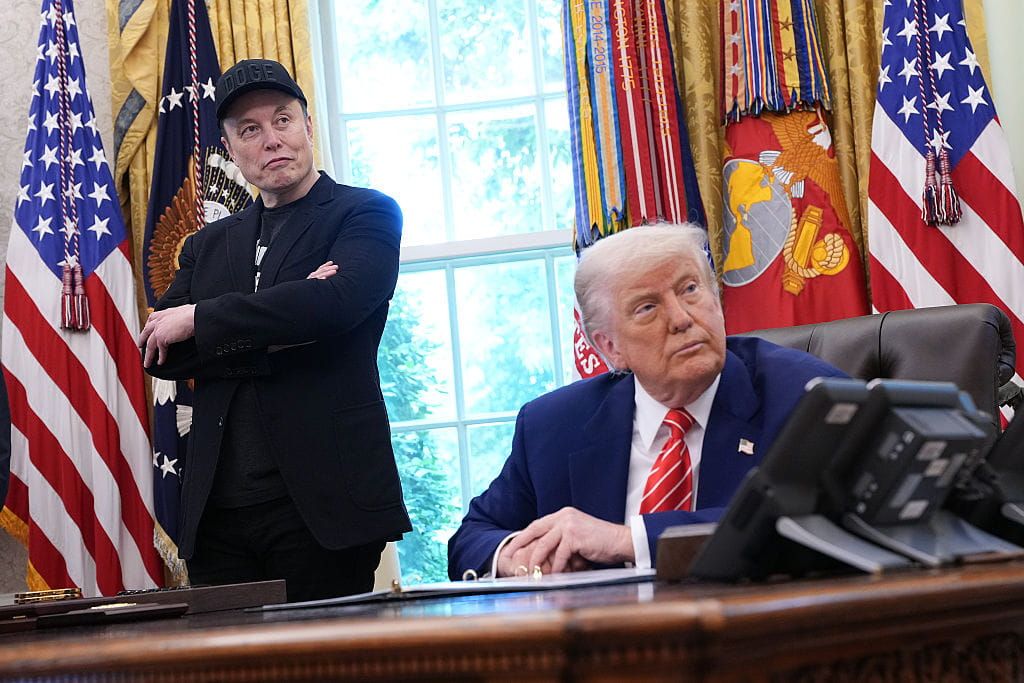
The Legacy of DOGE and a shake-up of the digital town square left a clear political footprint, a mix of symbolism and realignment that still matters on May 12, 2026.
The takeover of a major social platform by a high-profile entrepreneur changed how people think about tech power and political influence. It was never just about memes or markets; it became a test of who sets the rules online and whether the rules favor entrenched interests. For many conservatives, that shift felt like a rare, direct pushback against the gatekeepers.
At the center of the story was a personality who blurred lines between business, entertainment, and politics. The name DOGE kept popping up as a symbol of irreverence and grassroots energy, while the broader effort aimed to reorder how platforms are governed. Those aiming to “drain the swamp” saw opportunity in dismantling cozy relationships between regulators, legacy media, and Big Tech.
“The Elon Musk initiative achieved one thing.” That undeniable sentence captures the immediate political takeaway: disruption. Whether you applaud or criticize the methods, disruption forced institutions to react and to reveal their priorities. It also exposed how fragile public trust can be when platforms change ownership or policy direction quickly.
From a conservative viewpoint, the changes were less about chaos and more about accountability. For years, tech companies operated with an outsized influence on what speech was amplified and what was hidden. The takeover challenged that arrangement, insisting that one actor could tilt the scales back toward competitive debate and fewer invisible rules.
Policy fallout followed. Lawmakers and regulators renewed interest in platform liability, content moderation standards, and the scope of Section 230 protections. Those debates are political theater and real policy both, and they often reveal which actors benefit from the status quo. Conservatives pushed for clearer guardrails that preserve free expression while holding platforms to transparent rules.
On the economic side, the episode reinforced a lesson conservatives like to stress: market incentives matter. Bringing new ownership and management philosophies into an industry can disrupt complacency and reduce cartel-like behavior. Investors, advertisers, and users all reevaluate where they stand when rules and risks change rapidly.
Culture shifted too. The platform’s altered tone encouraged some voices that felt marginalized and worried others who feared a loss of content standards. That cultural tug-of-war played out in headlines and comment threads, offering voters a real-time case study in how speech, policy, and commerce intersect. For political actors, it became a battleground to prove they stand for open debate.
Practical results were mixed, and not every change landed cleanly. Some policies created confusion, others led to better transparency, and some moves backfired in unexpected ways. Still, the overall outcome was a reallocation of influence away from a few centralized decision-makers and toward a messier, more contested public square.
Electorally, the episode energized parts of the conservative base that prize decentralization and skepticism of elites. It became a talking point on campaign trails and in fundraising appeals. Candidates argued that a freer, less curated internet better serves democratic debate and prevents cultural gatekeepers from deciding winners and losers.
There are lessons for future leaders interested in reform. Big shifts require not just bold headlines but sustained follow-through: policy proposals, infrastructure investment, and attention to unintended consequences. Conservatives arguing for lasting reform must pair disruption with durable institutions that protect speech and commerce without recreating old monopolies.
Look ahead and the debate is far from over. Technology evolves, and so will the strategies of those who govern it or seek to influence it. The lasting impact of this chapter will hinge on whether reforms translate into more competition, clearer rules, and an environment where citizens—not a handful of platforms—set the agenda.

