

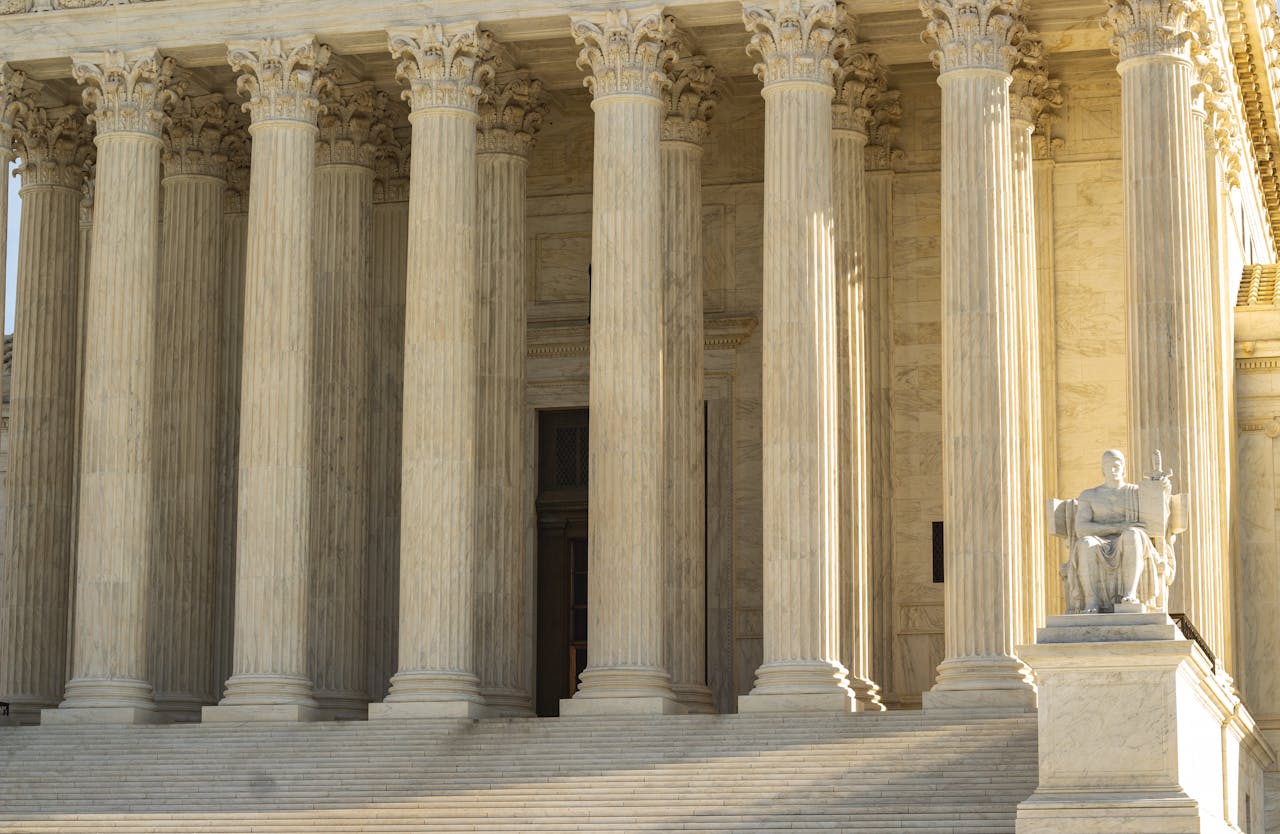
Dems’ reported plan to stack the VA Supreme Court is an omen for what they plan to do to SCOTUS should they retake trifecta control of the federal government.
What we are watching in Virginia is not an isolated skirmish over judges. It looks like a deliberate strategy to change the rules of the courtroom so outcomes swing toward a partisan agenda. That matters because courts decide long after elections are over and the voters move on.
When a party treats judges as political appointments instead of impartial referees, the result is weakened trust in the system. Citizens expect judges to apply the law, not deliver policy wins. If one side begins reshaping courts to lock in power, it invites cycles of retaliation whenever control flips.
Stacking a state supreme court is a cheap preview of what court packing would look like at the national level. Adding seats to flip ideological balance removes restraint on activism by judges and removes predictable legal boundaries. Conservatives should be blunt about the stakes because the Constitution and separation of powers are at risk when courts become tools of one party.
This is not just theory. State-level maneuvers can set legal precedents and create new templates for national action. A pattern of packing state courts creates institutional momentum that a federal majority could replicate. Once that precedent exists, protecting independent courts becomes much harder.
Democrats argue that court changes repair past injustices, but the selective use of power undermines that claim. If the response to unwelcome rulings is to expand a bench until results change, then permanency of law disappears. The rule of law requires acceptance of judicial loses as part of democratic life, not a mechanism for constant correction by the party in power.
Practical politics matters here too. Court stacking concentrates policymaking in nine or more unelected hands, reducing incentives for compromise in legislatures. Voters then face a harsher choice: litigate policy in courtrooms or accept the messy give-and-take of elected branches. A system dominated by judicial fiat is worse for liberty and accountability.
What should push the alarm button for conservatives is how quickly a court packed for political reasons can alter rights and regulations across a wide field. From business rules to free speech and religious liberty, judges wield broad authority. That authority becomes especially dangerous when used to entrench partisan policy for decades.
Public confidence erodes when one party treats judges like another political weapon. The remedy is to defend clear rules for judicial appointments and insist on transparency and qualifications over partisan loyalty. If the current moves in Virginia are a rehearsal for what might come to Washington, then the argument to preserve judicial independence becomes urgent and plain.

