

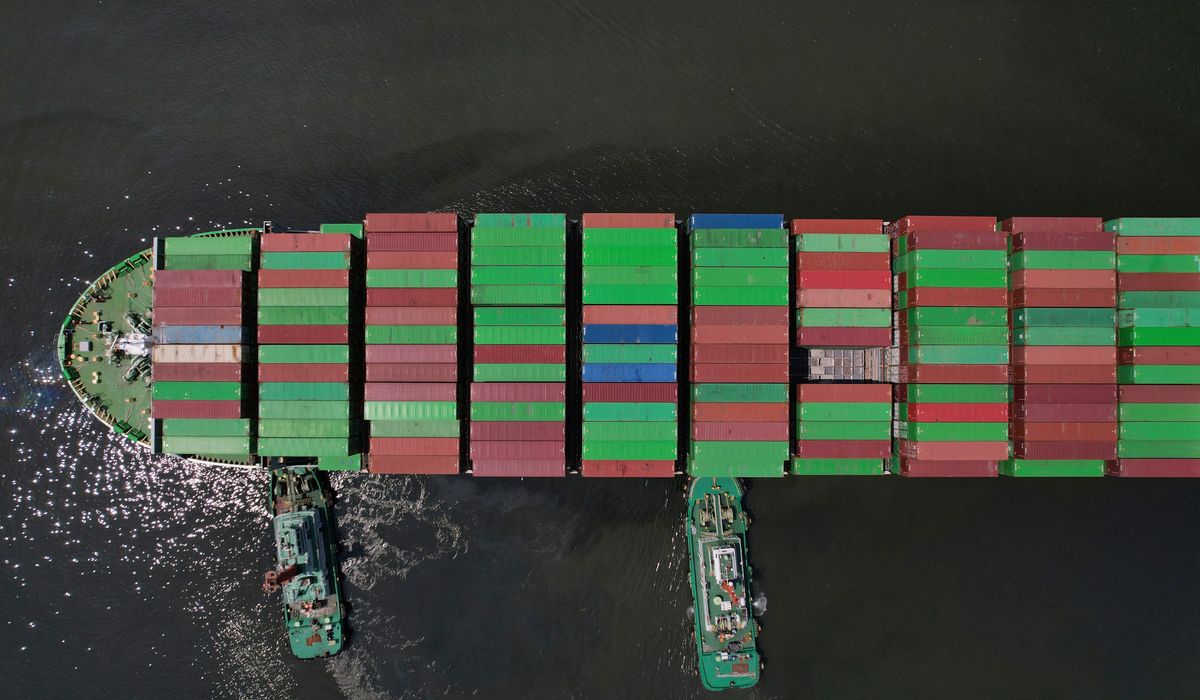
Ship operators depend on sludgelike bunker fuel to keep vessels moving, and the Iran war’s closure of the Strait of Hormuz has choked off supply. That disruption has driven up costs, forced longer routes, and pushed shippers and governments to scramble for short- and long-term fixes.
Bunker fuel is the heavy, viscous oil left after refining lighter products, and it powers the vast majority of ocean-going cargo ships. It is inexpensive per barrel but dirty and costly in operational terms, since engines and maintenance routines are calibrated around its properties. Because it underpins global shipping, any interruption in bunker flows quickly cascades through supply chains.
The closure of the Strait of Hormuz during the Iran conflict has complicated access to Middle Eastern shipments and tightened regional logistics. That waterway is a chokepoint where a large share of seaborne oil and refined fuels pass, so restrictions or threats to passage reverberate across the market. For ship operators, the result is less predictability and a need to carry larger fuel buffers or face delays.
Practical effects are already visible in port rotations and voyage planning, with some vessels rerouting around southern Africa to avoid the Gulf, adding days or weeks to trips. Those longer voyages increase bunker consumption and raise per-container transport costs, which shipping lines often recoup through fuel surcharges or altered schedules. Time-sensitive goods and just-in-time logistics feel those shocks first, as inventory buffers have thinned over recent years.
On the cost side, spot prices for heavy fuel oil and blending components have climbed, and refiners are responding by shifting output or offering alternative blends to keep ships moving. Industry measures like slow steaming, which reduces fuel use by lowering speeds, help limit expenditure but stretch supply chains. Technical fixes such as adding sealants or upgrading filtration buy time, but they do not replace lost throughput through the strait.
From a Republican standpoint, the disruption exposes strategic vulnerabilities in our dependence on contested waterways and foreign-controlled supplies. The response needs to include robust naval presence to protect freedom of navigation and a steady policy push for domestic energy production to reduce leverage from hostile actors. Those steps are about protecting commerce and ensuring that American businesses do not face needless market manipulation from abroad.
Insurance and freight markets have adjusted, with higher premiums on routes that pass through elevated-risk zones and an uptick in contractual clauses that shift fuel risk to shippers or consignees. Ports are adapting by increasing on-dock storage where feasible and by coordinating more tightly with bunker suppliers to smooth delivery windows. Traders and refiners are also hedging exposure through swaps and forward contracts to manage price spikes.
Technological and market shifts are accelerating as a result of sustained pressure on bunker supplies, pushing investment toward dual-fuel engines, liquefied natural gas capable vessels, and cleaner alternatives that reduce reliance on heavy fuel oil. Shipbuilders and operators looking ahead are weighing retrofits and new designs that accept different fuel chemistries, because resilience pays off when chokepoints tighten. Those transitions will take capital and regulatory clarity to scale.
Regulators and port authorities face practical choices about stocking strategic reserves, updating inspection regimes for new fuel types, and coordinating internationally on safe passage rules. Meanwhile, the maritime sector will likely keep experimenting with fleet mix and operational routines to balance cost, speed, and risk. Watch for continued market wobble until supply routes stabilize or until sizable alternative fuels and routes reach critical mass.

