

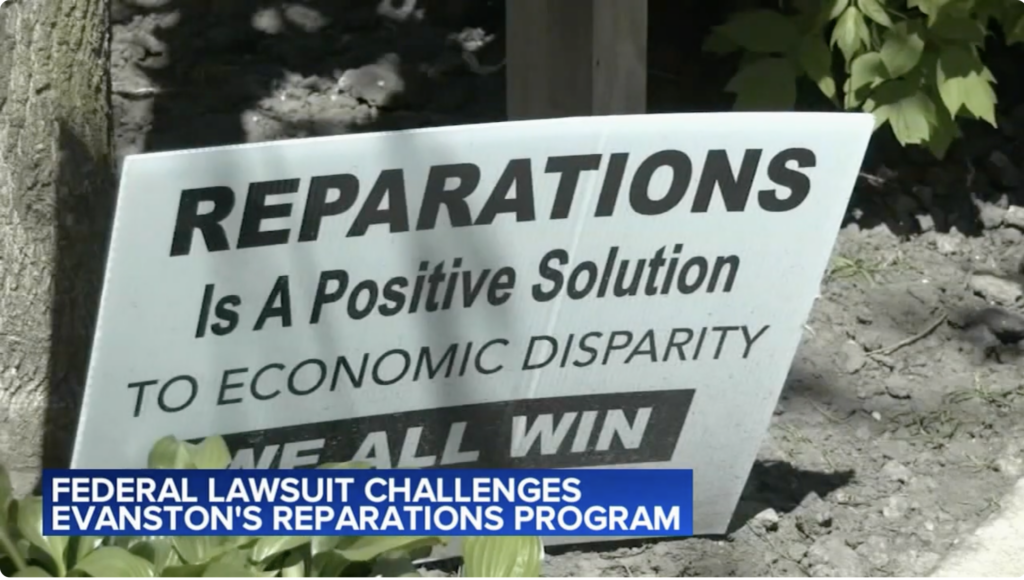
The Evanston reparations program has already delivered millions in payments, but questions about legality, fairness, and local accountability are mounting.
The Evanston, Ill. Reparations Committee has doled out at least $6.36 million in payments through a constitutionally suspect program. Residents and observers are now weighing whether the effort advances justice or sidelines constitutional safeguards and taxpayer interests. The debate has broadened beyond local politics into questions about precedent and the role of municipal governments in addressing historic grievances.
Critics argue the program bypassed ordinary checks and balances that protect property owners and taxpayers. From a Republican viewpoint, the concern is not that addressing past wrongs is unnecessary, but that doing so through ad hoc municipal payouts risks unequal treatment and legal vulnerability. When governments act without clear constitutional footing, they open the door to costly litigation and uncertainty about future policy moves.
The mechanics of the program have raised eyebrows. Funds designated for reparations were drawn from local revenue streams and allocated through a committee structure rather than a broad vote of the people. That arrangement creates questions about transparency, accountability, and whether taxpayers—many of whom did not support the plan—are being asked to shoulder a long-term financial commitment without sufficient oversight.
There are also practical fairness issues. Who qualifies for payments, and on what basis are awards determined? When a municipal program distributes significant sums with subjective eligibility criteria, supporters of limited government worry about favoritism and the erosion of equal protection principles. Clear, neutral standards are essential to avoid perceptions that political connections rather than objective criteria drive outcomes.
Legal scholars skeptical of the approach point to potential constitutional defects in race-based municipal programs. Preferential treatment tied to ancestry or race triggers heightened scrutiny under the Constitution, and local governments can find themselves on thin ground if they cannot justify the measures under strict legal tests. That exposure can lead to reversals in court and the obligation to return funds, which complicates life for recipients and damages civic trust.
The optics matter just as much as the law. Large payouts from city coffers can provoke backlash from residents who feel excluded or ignored, especially if the program is seen as imposing obligations on current taxpayers for harms committed by distant actors generations ago. Republicans emphasize the need for policies that unite rather than divide, and they warn that municipal reparations done without broad consensus tend to deepen political polarization.
City leaders and committee members defending the program cite moral imperatives and the importance of addressing systemic injustice, and those arguments resonate emotionally. Still, the response from a conservative viewpoint stresses pursuing remedies through constitutional, market-friendly mechanisms that respect private property and avoid open-ended liabilities. Thoughtful reforms should protect both the dignity of victims and the rule of law.
There are alternative routes to pursue equity that do not carry the same constitutional risk, such as targeted community investment, voluntary philanthropic initiatives, and programs focused on opportunity rather than race. These approaches can be designed to bolster housing, education, and job access while relying on neutral criteria that withstand legal scrutiny. They also avoid forcing tax increases or reallocations without voter input.
Beyond policy design, the governance record in Evanston highlights the need for clear reporting, independent audits, and legal reviews before committing sizable public funds. Conservative critics contend that responsible government requires these safeguards to prevent misallocation and to preserve public confidence. When municipal initiatives involve millions of dollars, ordinary prudence calls for extra transparency and formal legal vetting.
Whatever one thinks of the goals, the situation in Evanston raises instructive questions about how local governments should proceed when addressing historical wrongs. The mix of moral urgency and constitutional limits creates a complex policy challenge that tests principles of accountability, fairness, and legality. Moving forward will require reconciling compassion for victims with respect for constitutional boundaries and the consent of the governed.

