

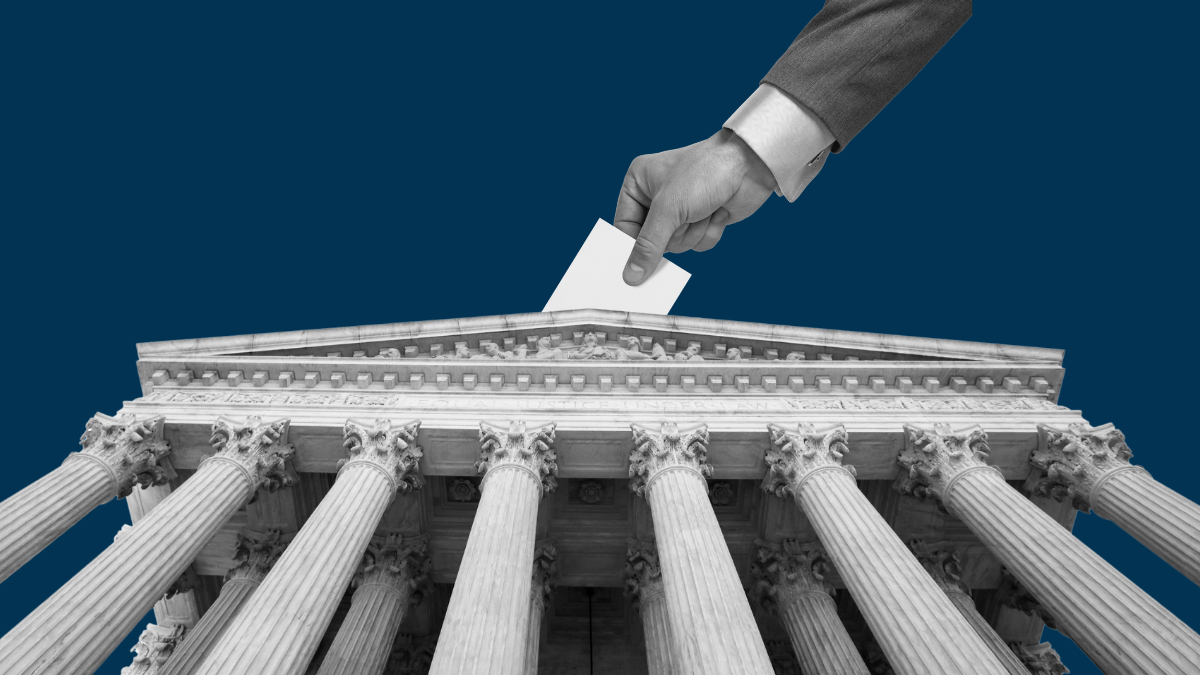
Virginia’s political maneuvering has accidental consequences that raise a real question about prolonged campaign seasons and what a Supreme Court decision might mean for the way we vote and govern.
“Virginia Democrats have accidentally made a case against the months-long ‘election season’ they prize. What if SCOTUS took them up on it?” Those two lines landed bluntly and they deserve a straight answer, because the politics behind long campaigns matter as much as the rhetoric. If a party builds a system that benefits its tactics and then sees that system turned into a legal issue, that is not theory — it is consequence.
Long election cycles shift power to the well-funded and the always-on messaging machines that national groups control, and that reality does not favor local voices who lack scale. When campaigns stretch for months, money talks louder than neighborhood conversations and donors end up writing the agenda. The practical effect is less grassroots debate and more polished national narratives that drown out local concerns.
Voter fatigue is real, and drawn-out contests condition citizens to treat civic life like a season rather than an essential duty; that lowers the quality of engagement. A slow drip of partisan news, constant fundraising asks and endless polls train people to tune out until the very end, which benefits whoever can buy attention. The result is both less thoughtful turnout and a public less informed about concrete choices on the ballot.
There is also a legal angle that should not be shrugged off as academic. Courts, including the Supreme Court, have been asked before to decide where election rules bump up against constitutional guarantees and equal protection principles, and those cases can shape how campaigns are run. If systemic practices create unfair advantages or impose unequal burdens on voters, judges can be drawn into rebalancing how states run their election machinery. That possibility turns political convenience into a legal liability.
Democrats who have promoted an extended calendar because it favors their national infrastructure now face an awkward proposition: a policy that was an asset could be parsed as a defect in court. Conservatives can point out the inconsistency when a party both insists on long seasons and cries foul when the consequences swing the other way. Politics is full of trade-offs, and when you build a system around an advantage, you accept the risk that the law will test it.
From a practical standpoint, shortening the effective campaign window or tightening rules around ballot changes would shift incentives back toward local organizing and retail politics, and that is what many Republicans prefer. Measures like clearer filing deadlines, consolidated voting days and strict standards for last-minute procedural changes reduce advantage for deep-pocketed outside groups and make campaigns about ideas and candidates again. Those are policy choices, and they reflect a view that stable rules produce healthier elections.
This is not about nostalgia or hiding from modern campaign realities; it is about calling a timeout on a system that rewards perpetual campaigning and massive outside spending. The prospect of the Supreme Court stepping in is no idle threat — it reframes a partisan tactic into a constitutional test, and that can change behavior fast. Whatever comes next, parties that built fortunes on a stretched-out season are now wrestling with the possibility that the courts could rewrite the rules they counted on.

