

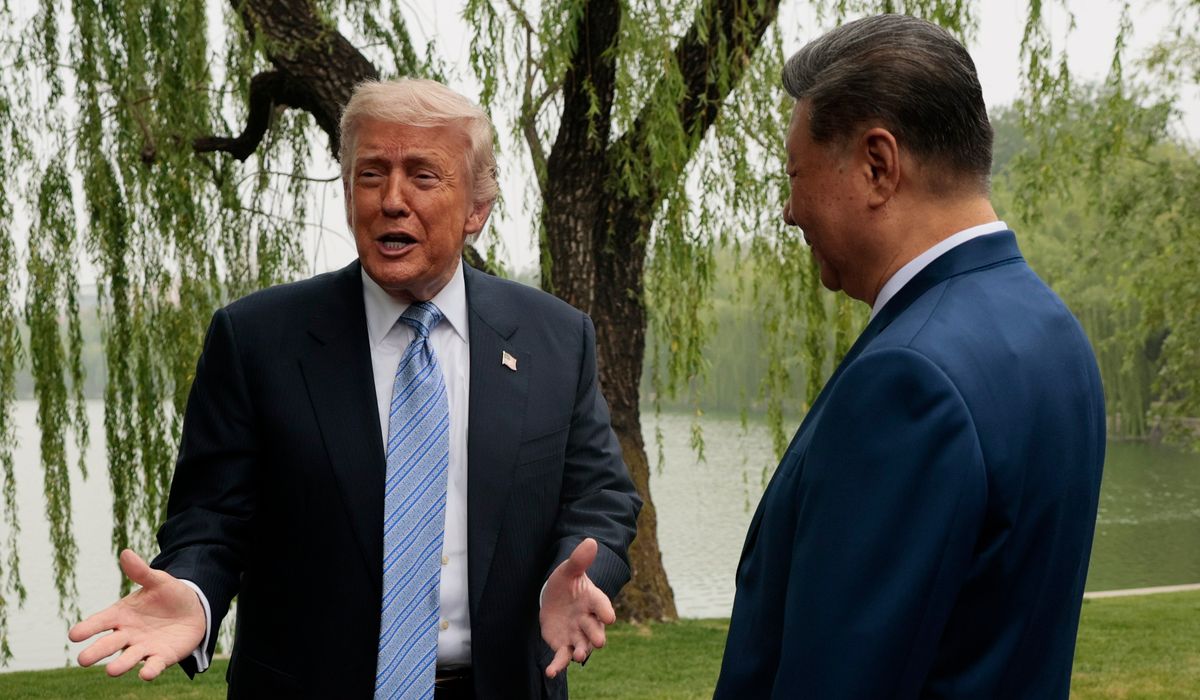
President Trump is weighing whether to approve a major U.S. arms sale to Taiwan after a three-day trip to China, and he has not yet made a final call.
President Trump says he’s not yet made a determination on whether a major U.S. sale of arms to Taiwan can move forward, following his three-day visit to China. The line between deterrence and diplomacy is tight, and Republicans want clarity that American strength and alliances come first. This pause is deliberate, not indecision, and it reflects a president balancing national security with the realities he saw on the ground.
The administration’s foreign policy approach is straightforward: keep America strong, support partners, and avoid unnecessary conflict. That means evaluating arms transfers to Taiwan through the lens of deterrence and regional stability. Republicans argue the goal is clear—ensure Taiwan can defend itself while preventing escalation.
Trump’s decision will send an important signal to Beijing, allies in the region, and our forces worldwide. A sale could strengthen Taiwan’s ability to push back against coercion, while tight controls and clear messaging can reduce the chance of miscalculation. The president is weighing both military utility and diplomatic consequences before signing off.
Domestic politics are part of the picture but they should not be the deciding factor. Republicans want policy grounded in long-term strategic interest, not short-term headlines or partisan advantage. This moment is about projecting American resolve and protecting our friends, and that requires sober judgment.
Defense experts on the right emphasize capability over optics, and argue for weapons that make Taiwan a harder target without provoking a pretext for conflict. Smart sales can be tailored to defensive needs, improving survivability and command resilience. This is a practical path that advances U.S. interests while minimizing escalation risk.
The president’s recent meetings in China gave him fresh perspective on how Beijing frames U.S. actions and intentions. Direct diplomacy can create room to manage crises and reduce misunderstandings, even as we maintain strong military backing for partners. Balancing talks with visible preparedness is classic Republican strategy—speak from a position of strength.
There are constructive ways to proceed that show both resolve and prudence, such as phased transfers, clear caveats, and coordination with allies. That kind of calibrated approach protects Taiwan, reassures partners, and keeps open options for de-escalation. Policymakers should prioritize measures that enhance deterrence without creating flashpoints.
Congress has a role to play, and Republicans in both chambers will press for policies that reinforce American power and commitments. Oversight can ensure any sale actually improves Taiwan’s defense posture and aligns with broader strategy. Lawmakers should push for transparency on capabilities and timelines to avoid surprises.
Critics from the left will demand immediate action or shout alarm about diplomacy, but the Republican view favors measured strength over theatrical gestures. Reality in the Indo-Pacific demands durable solutions, not headline-driven reactions. A president who takes a careful approach is doing his job when it protects Americans and allies alike.
America’s standing depends on credibility, and credible deterrence is built with capability, commitment, and clear communication. Whatever decision comes next should reinforce deterrence while leaving room for diplomacy to work. That balance is the best way to keep peace through strength.

