

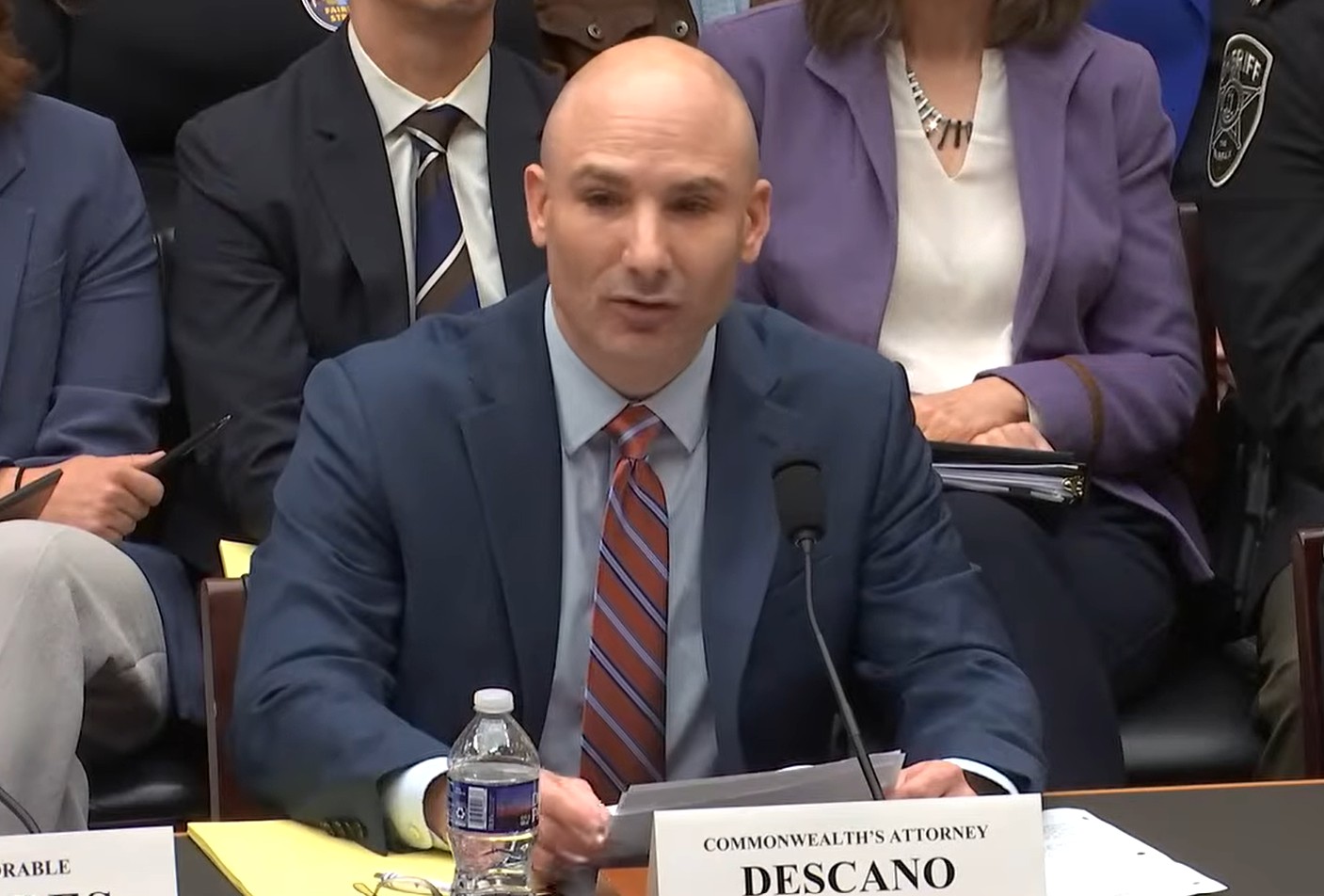
This article summarizes recent developments after a federal inquiry was opened into local prosecutorial decisions, and explains the broader legal and political stakes involved. It outlines how federal oversight, public safety concerns, and prosecutorial discretion intersect when allegations of preferential treatment arise. The tone is direct and focused on accountability and the rule of law.
The U.S. Department of Justice has launched an investigation into Descano for preferential treatment of violent illegal aliens. That factual report sets the frame for questions about equal application of law, how local prosecutors use discretion, and whether public safety is being prioritized. The allegation itself has already changed the political conversation in the community.
<pFederal oversight exists to check patterns that may undermine federal statutes or voters’ expectations about safety. When a local office adopts policies that appear to shield violent offenders who are in the country unlawfully, federal authorities can step in to see if civil rights or criminal statutes were violated. From a Republican perspective, these probes are about restoring predictable enforcement and protecting neighborhoods that rely on consistent policing.
Prosecutorial discretion is a real and necessary power; it lets attorneys prioritize cases and manage limited resources. That discretion does not extend to favoring violent offenders or creating safe havens that put residents at risk. Critics argue that certain policies crossed that line, turning discretion into de facto immunity for dangerous individuals.
Investigations by the Department of Justice typically involve document requests, interviews, and a review of charging patterns and plea practices. The point is not to criminalize policy-making but to check for systemic actions that could violate federal law or deny victims equal protection. For conservatives, the core issue is simple: no person should be treated with leniency because of immigration status if public safety is at stake.
The political consequences are immediate. Officials accused of soft treatment face scrutiny from voters, law enforcement, and state leaders who worry about precedent. Republican leaders emphasize accountability and often argue these cases show why local law enforcement must align with federal priorities or risk federal intervention. That argument plays well with constituents focused on crime and border security.
Beyond politics, there are human costs. Families and neighborhoods that see repeat offenders go unpunished lose trust in the justice system. A justice system that appears to protect certain lawbreakers erodes the basic bargain between citizens and government: obey the law and expect protection in return. Emphasizing victims and community safety is central to the conservative view of how prosecutions should be handled.
Legal outcomes can range from no findings to recommendations, consent orders, or even criminal referrals in rare cases. The mere presence of an investigation can trigger policy changes, increased transparency, and new training on charging standards. Republicans see these outcomes as means to restore consistent enforcement and deter selective leniency that jeopardizes public order.
The situation will play out in the coming months, with evidence and public statements guiding the next steps. Meanwhile, the conversation has shifted from abstract debates about reform to concrete questions about whether dangerous behavior was effectively tolerated. For those who prioritize law and order, the investigation is a necessary check on decisions that may have put communities at risk.

