

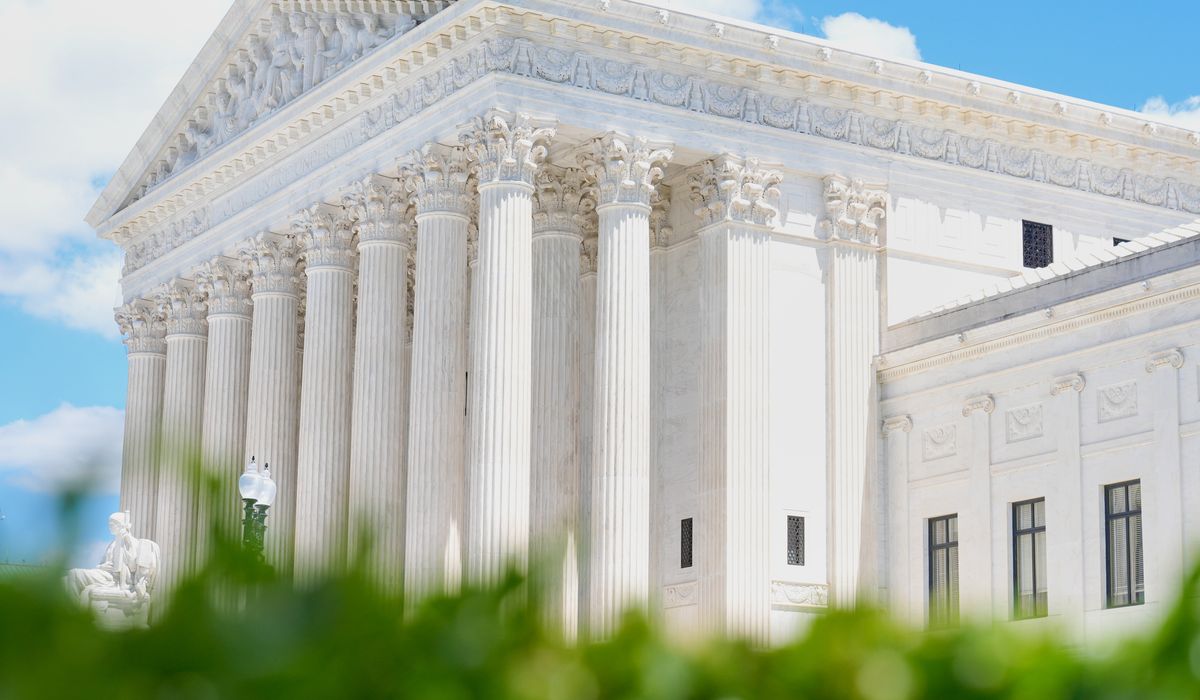
The U.S. Supreme Court has turned aside Virginia Democrats’ long-shot attempt to overturn state courts and force the use of their preferred congressional district map in November’s elections. The high court’s move leaves Virginia’s state court decisions intact and keeps the planned November ballots on the path set by the state judiciary.
This decision is a clear check on an effort to bypass the usual state legal channels and impose a partisan map from the federal bench. From a Republican perspective, that attempt looked like an end-run around local institutions and voters. The Court’s refusal to step in preserves the normal legal process and keeps the focus on state-level remedies.
The case centered on competing claims about who has the final say over congressional district lines and the timing of elections. Virginia Democrats sought federal intervention to impose their preferred map for November, arguing urgency and fairness. The Supreme Court’s action effectively rejected that emergency route and sent the matter back to the rules and timelines set by state courts.
Republicans will argue this outcome defends state sovereignty and prevents federal overreach into how states manage their elections. When parties try to fast-track maps through national courts, it risks confusing voters and undermining confidence in the process. The Court’s step back protects the integrity of established state procedures while keeping the election calendar steady.
There are also practical risks when maps are forced through at the last minute, including logistical headaches for election officials and uncertainty for candidates. Ballot printing, absentee deadlines, and voter outreach hinge on a stable map and a predictable schedule. By refusing to force a change for November, the Supreme Court reduced the chance of chaos at the polls.
Critics from the other side will frame this as blocking reform, but the reality is more procedural than partisan: emergency federal intervention is meant for clear, unavoidable harm, not strategic map swaps. The Court’s move signals it will not become a vehicle for on-the-fly partisan fixes. That restraint matters to anyone who values orderly elections and predictable legal processes.
Virginia’s state courts will continue to handle the underlying challenges, and lawmakers and litigants must work through those channels if they want a different outcome in future cycles. For now, voters can expect the November ballots to proceed under the map the state judiciary endorsed. The episode underscores the importance of following established legal paths rather than seeking last-minute federal shortcuts.
Looking ahead, both parties will take lessons from this ruling on strategy and timing when contesting district lines. Republicans can point to the decision as evidence that federal courts should hesitate to disrupt state-managed election plans. The underlying disputes over fair maps and representation remain alive, but the mechanism for resolving them is back where it belongs: at the state level unless a clear federal emergency is shown.

