

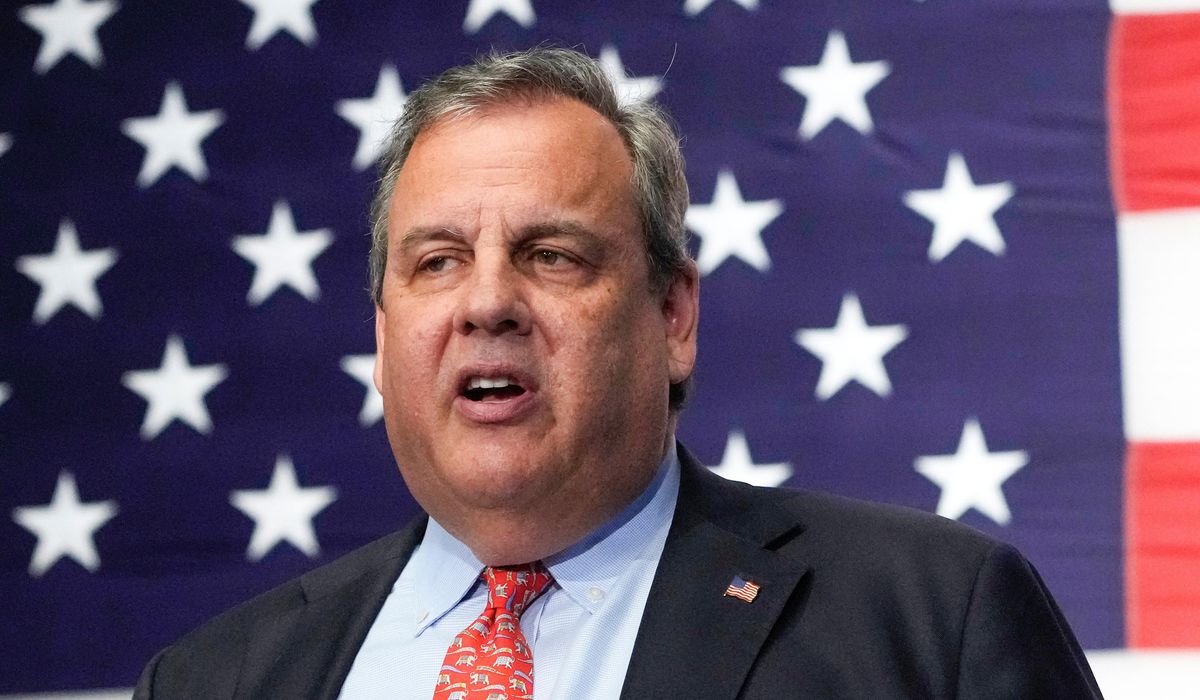
Bruce Springsteen moving past former New Jersey governor Chris Christie at a Brooklyn show created a quick stir, and the moment raised familiar questions about how celebrities treat public officials and partisan visitors in mixed crowds.
“Bruce Springsteen appeared to snub former New Jersey Gov. Chris Christie at a Brooklyn concert Thursday, walking past the Republican politician’s outstretched hand in a moment that quickly went v” This clipped line captured the awkward instant and then spread across feeds, setting off the predictable round of takes and hot takes. The image is simple, but the reaction has been loud, because it taps into a larger tension between performers and partisan figures in public spaces.
The scene played out where you would expect: a major artist onstage, an audience drawn to music rather than politics, and a well-known Republican figure in the crowd trying to be polite. Video clips showed Springsteen moving past with little acknowledgment while Christie extended a hand. For viewers who live in an era of curated moments, that single gesture said a lot more than the two people involved probably intended.
From a Republican perspective, these episodes are both familiar and frustrating. Public servants like Christie attend events as private citizens and deserve basic courtesy, not a performance of dismissal. At the same time, elected officials know the landscape and should be ready for mixed reactions when they step into arenas where politics isn’t the headliner.
Social platforms amplified the moment fast, with people on both sides turning a short clip into overnight commentary. Conservatives tended to note the lack of decorum and the casual way a famous musician brushed past a public figure, while others framed the exchange as a symbol of celebrity culture pushing back against certain political views. The speed of amplification meant nuance got squeezed out and the scene became shorthand for broader cultural arguments.
There is also a practical element: celebrities like Springsteen have massive followings and these audiences often skew in one ideological direction, especially in urban venues. Performers make choices about how to navigate their stages and who they acknowledge. That creates friction when high-profile politicians attend and the reaction from the crowd or performer is less than warm.
But it matters how these moments are discussed. Labeling the interaction as a “snub” is easy, and that label drives emotional responses, yet it does not explain intent. For Republicans watching, the incident reinforced a sense that cultural elites sometimes show open disdain for conservative figures. For others, it was a minor social tick blown into a headline by quick sharing.
The incident also highlights how our public life is mediated by short clips and instant judgment. A hand extended on the floor of a concert becomes a measure of respect or disrespect depending on who watches, and the verdict often arrives before context. That dynamic rewards dramatic framing over measured description, and it is one reason these stories keep cycling through the news feed.
Moments like this are small on their own but meaningful in aggregate, because they shape perceptions of who belongs where and how public life is conducted. Fans can argue about whether a handshake was deserved, and pundits can score points, but the underlying pattern is what fuels political culture wars: a clash between performance spaces and political presence, amplified by social media and quick takes that leave little room for nuance.

