

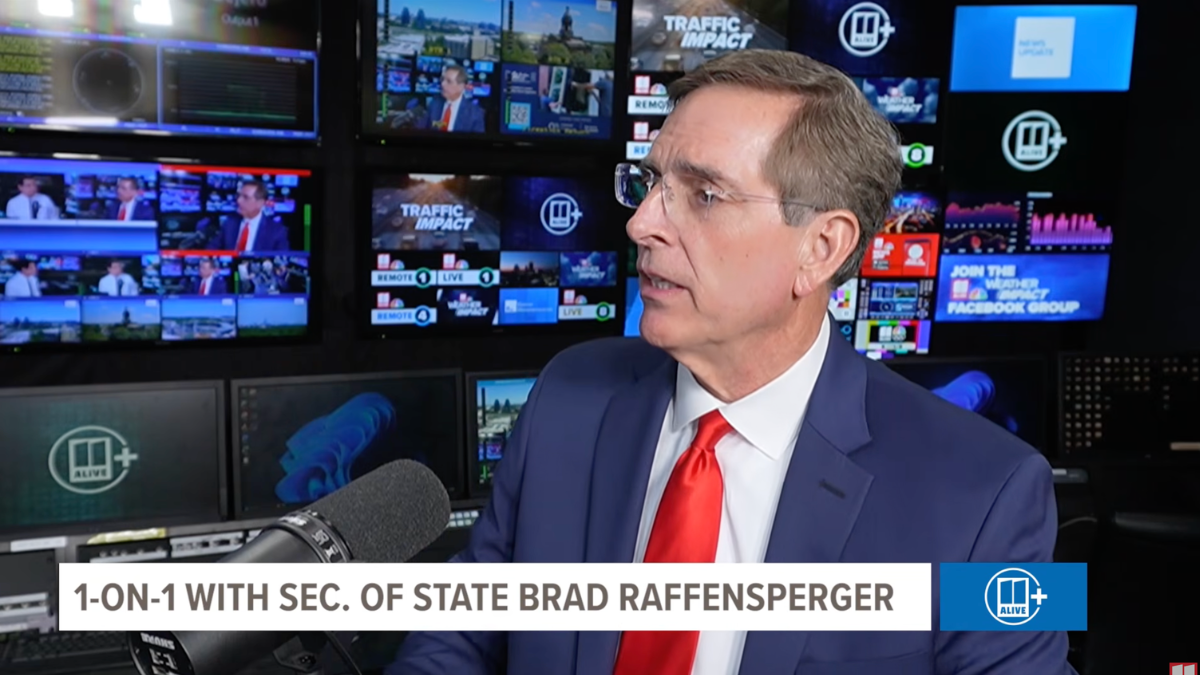
Officials in Georgia have denied access to records and oversight in a way that raises repeated questions about election transparency, prompting concern among voters and elected officials who expect clear, accountable processes.
This latest denial of access fits a troubling pattern of transparency concerns in Georgia elections. The refusal to share documents, grant inspections, or open certain processes to scrutiny has become more frequent, and it frustrates citizens who want straightforward answers. When public systems are opaque, trust erodes and suspicion grows even among reasonable people who simply want fair, visible procedures.
Republicans in the state argue that openness is not optional; it is central to trust in election outcomes. They point out that when access is blocked, it prevents timely verification of ballots, procedures, and chain of custody details. The cumulative effect is a narrative where questions go unanswered and voters feel kept at a distance from the very systems that decide public power.
Local election administrators insist they followed the rules, yet the pattern of denials keeps repeating across counties and offices. That inconsistency fuels claims that the system favors secrecy over sunlight, and that any explanation offered after the fact does not replace real-time access. People on all sides of the political spectrum are less likely to accept reassurances when the doors to records and processes stay closed.
Transparency advocates on the right emphasize simple fixes: clear timelines for access, neutral third-party reviews, and enforceable penalties for undue obstruction. These measures are framed not as attacks on administrators but as common-sense guardrails to rebuild confidence. The argument is plain: if processes are sound, they should withstand scrutiny without drama or delay.
There are practical consequences when access is denied, including slower audits, weaker post-election analyses, and missed opportunities to identify clerical errors or system weaknesses. Those follow-ups are vital to improving processes and preventing avoidable mistakes in future cycles. Without a pattern of open review, small problems can compound and then become bigger political fights.
Lawmakers and election officials sometimes clash over what counts as legitimate oversight, and those disagreements often end up in courtrooms. The legal fights are expensive, lengthy, and distracting, drawing resources away from running elections and educating voters. While courts can settle disputes, many believe the better path is preventing conflicts through clear, preexisting rules about access and transparency.
At the ballot box level, volunteers, poll watchers, and local party representatives say they want simple, consistent access so they can verify procedures on the spot. When that access is uneven, volunteers see it as a sign that the system cannot be consistently trusted to operate in the open. Consistency, supporters say, would be a powerful signal that election officials are committed to full accountability.
Journalists covering election administration note that chronic denials create a media environment where reporting becomes the only check left for many voters. Reporters must rely on limited snapshots rather than full archives when investigating patterns or anomalies. That narrowing of source material hampers public understanding and makes it harder to separate honest error from deliberate concealment.
Public confidence does not rebound on its own; it usually requires deliberate steps from those in charge. For many Republicans watching Georgia’s recent practices, the demand is straightforward: open files, clear rules, and consistent access so citizens can see how elections are run. Without those elements, every contested race risks turning into a debate about process rather than a discussion about policy and representation.
Officials who want to restore trust should remember that transparency is not a partisan favor, it is a governance imperative. When records are available and procedures are visible, elections run smoother and disputes resolve faster. The conversation in Georgia now hinges on whether leaders will accept that reality or continue to tolerate practices that leave too many questions unanswered.

