

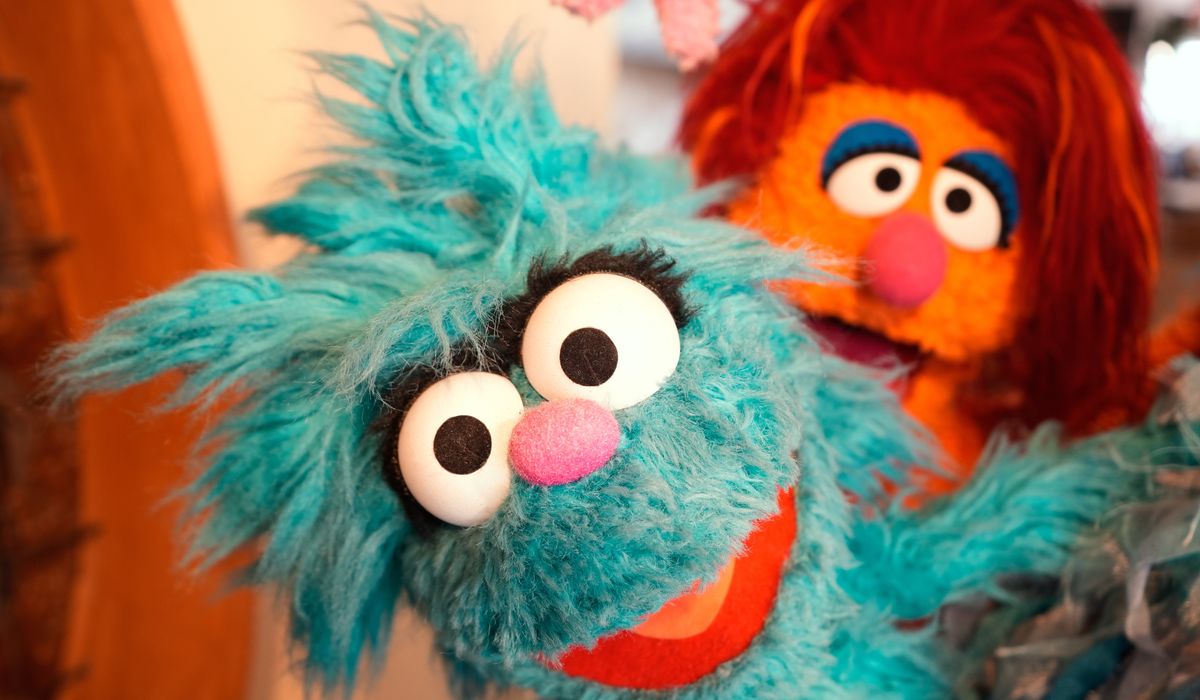
In a cavernous New York City warehouse, a small team of skilled makers quietly builds the costumes and puppets that bring beloved children’s characters to life, working by hand and keeping their names out of the spotlight while their creations delight generations.
The workspace is large, dimly lit in places, and organized around craft rather than show. Artisans here stitch, sculpt, paint, and test expressions on pieces that must read on stage, screen, and in promotional events. Everything they do is built to endure repeated performance and the rough handling that comes with a touring life.
These makers are specialists: some focus on fabric and foam, others on animatronics and eyes that blink convincingly. Their skills blend traditional sewing and sculpting with modern materials and electronics, producing characters that feel alive without seeming mechanical. The result is a quiet kind of magic that audiences accept instantly.
Workflows in the shop are deliberately practical, built around durability and repairability. Costumes need to be cleaned, patched, and sometimes re-engineered between engagements, so pieces are designed to be taken apart and fixed quickly. The team plans for wear and tear from the start, which saves time and money down the road.
Design starts from a tight brief and a tested model, then moves through prototypes where scale and motion get real feedback. Makers test seams under stress, check ventilation for performers, and adjust weight so puppeteers are not exhausted during long shows. Those small, repeated decisions are why a character reads as natural rather than forced.
The shop’s reputation is built on repeat work and quiet discretion rather than public credit. Many of the artisans prefer it this way, letting their characters carry the applause while their names stay off marquees. That anonymity also helps when clients want consistent quality without the distraction of personalities attached to the craft.
Materials matter: dense foams offer structure, lightweight fabrics allow movement, and custom silicone can capture nuanced facial expressions. Electronics for eye movement or subtle mouth shapes are integrated in ways that keep performers comfortable and maintenance straightforward. Choosing the right mix is part art and part engineering.
Collaboration happens across specialties, with costume makers consulting electricians, puppeteers giving feedback, and sculptors refining shapes until the character’s silhouette is unmistakable. Video playbacks and quick rehearsals reveal small issues that get corrected before anything goes public. That loop keeps projects on schedule and avoids last-minute compromises.
Training in the shop often comes as mentorship rather than formal classes, with experienced hands showing novices how tension in a seam or the curve of a mouth changes perception. Younger makers pick up tricks that balance aesthetics and function, from invisible seams to cleverly hidden access panels. Over time these techniques become part of the shop’s shared language.
Maintenance is just as important as creation, and some staff specialize in restorative work that can add years to a costume’s life. They replace padding, restore color, and retrofit new control systems into old shells so classic characters can keep performing. That care preserves both the original design intent and the budget.
Clients range from theater companies to toy manufacturers and event planners who need reliable, repeatable performance from costumed characters. The shop adapts to each brief while keeping the core priorities the same: safety, durability, and the ability to convey emotion. This approach keeps characters believable no matter where they appear.
Puppetry and costume work remain labor intensive, and that hands-on aspect is part of the appeal for both makers and audiences. The tactile nature of the craft resists total automation because human judgment still decides what looks right on a face. For now, those decisions happen in workshops like this one, where craft is quietly turned into characters that millions enjoy.

