

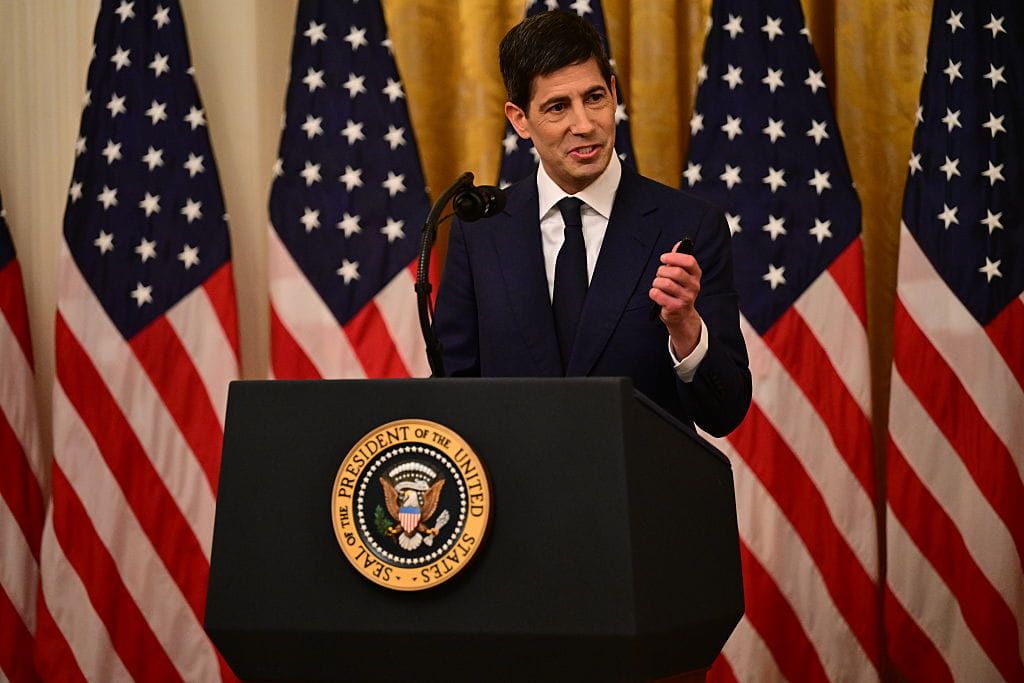
Kevin Warsh faces a clear mandate: steady the bond market, rebuild Fed credibility, and get long-term interest rates back under control so growth and savings stop suffering from volatile yields.
Markets are watching every Fed move because interest-rate signals from Treasuries feed straight into mortgage costs, corporate borrowing, and investor confidence. Bond yields have been moving independently of short-term policy, and that divergence can wreck planning for businesses and families. The incoming Fed chief must close that gap without wrecking the recovery or surrendering monetary discipline.
“Can the new Fed chief control yields?” is the question investors are asking as Treasury notes trade on expectations rather than clear policy guidance. A Republican perspective here is practical: the Fed needs to show it will fight inflation first and foremost, because only credible anti-inflation policy will push long-term yields down. If investors trust the Fed to keep inflation in check, term premia fall and financing gets cheaper for everyone.
One obvious driver of long-term rates is the supply of Treasury debt, and Washington’s appetite for deficits matters as much as Fed policy. Persistent large deficits mean more issuance, which bids up yields unless demand rises to match it. Republicans argue that controlling spending is a necessary complement to any Fed plan; you cannot wish lower yields into existence while deficits climb and the Treasury borrows more each year.
Warsh brings private-sector experience and prior Fed exposure, which could help him translate market signals into policy actions that restore credibility. The public needs crisp, consistent communication, not shifting narratives that confuse investors. Clear guidance on the inflation path, and a willingness to tolerate short-term pain to prevent entrenched inflation, will be what markets reward.
There is also a technical side: central bank operations and balance-sheet management can influence yields through supply and demand mechanics. The Fed can tweak reserve policy, engage in targeted purchases, or alter its reinvestment strategy to influence specific sectors of the curve. Republicans are wary of heavy-handed market interventions, but a measured toolbox used sparingly to re-anchor expectations would be defensible if it restores normal market functioning.
Another risk is that political pressure might push the Fed toward rate cuts before inflation is truly tamed, which would re-ignite inflation expectations and push yields even higher. A Republican stance favors institutional independence and discipline; the Fed should resist short-term political signals and prioritize price stability. Markets reward that kind of credibility with lower long-run rates and more predictable financing costs.
Finally, Warsh must make the Fed’s playbook predictable so businesses can plan capital allocation without fear of abrupt curve shifts. Predictability does not mean passivity. It means setting hard targets, explaining the trade-offs, and showing a willingness to act in defense of low inflation. If he succeeds, yields should settle into a range that supports sustainable growth without sacrificing savers or pension funds.

