

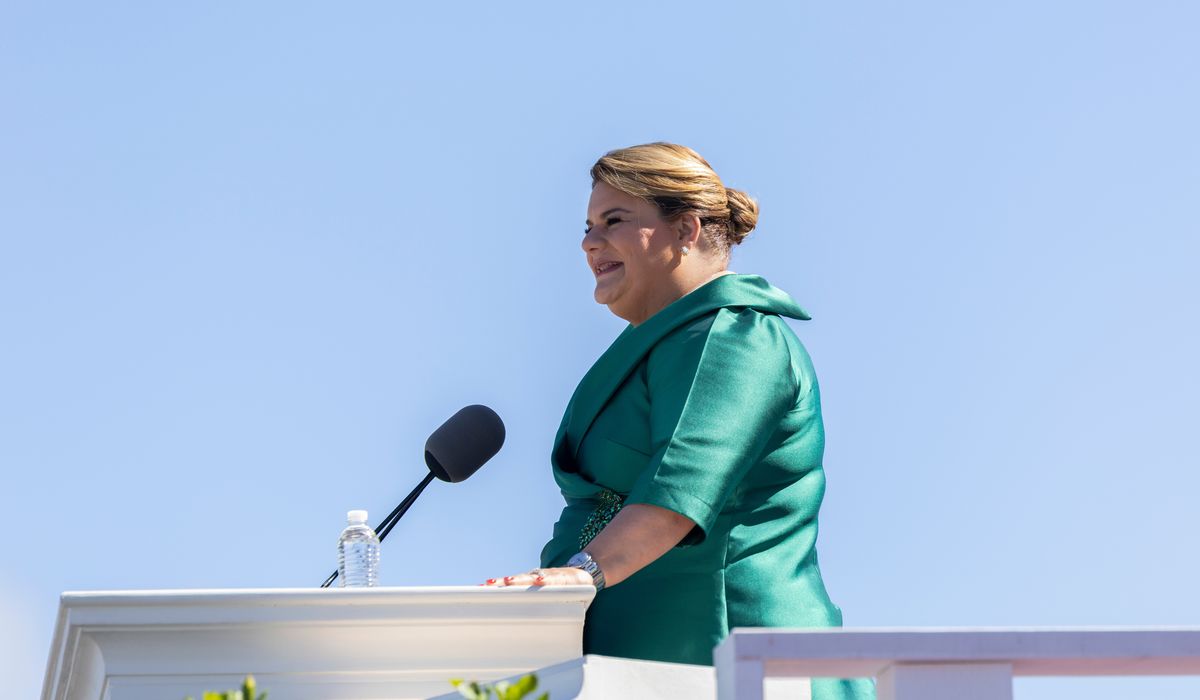
The head of Puerto Rico’s main economic development agency resigned on Tuesday after a public break with the administration of Jenniffer Gonzalez, saying the territory’s approach under her leadership interfered with the agency’s work and undermined its mission.
The resignation arrived abruptly on a Tuesday that should have been about economic plans, not personnel drama. The departing official framed his exit as a protest against management choices, casting blame on the way decisions were being made inside the governor’s circle. That claim alone shifts the conversation from programs and jobs to politics and power.
Puerto Rico needs steady leadership to attract investment, get projects moving, and support job growth, not public fights that scare away investors. The agency in question is central to those goals; when its head steps down amid accusations, uncertainty spreads through business circles. Republicans have to point out that stability and clear policy must come first if the island is going to compete for capital and private-sector confidence.
From a Republican perspective, the core issue here is accountability and results. If political interference was happening, as the departing official alleged, it betrays taxpayers and entrepreneurs who expect the agency to act on merit and economic rationale. The territory’s future depends on managers who can implement pro-growth policies without being hamstrung by internal power plays.
Jenniffer Gonzalez has built her public profile on conservative principles like fiscal responsibility and private-sector-led growth, making the timing of this resignation awkward. Republicans who back her agenda should insist that any transition be orderly and focused on continuity for ongoing projects. The immediate priority has to be preserving confidence among businesses, from local contractors to multinational firms eyeing Puerto Rico.
At the same time, the resignation raises questions about internal culture and oversight that deserve answers. Leadership in any public agency must be transparent and accountable, and departures framed around accusations of meddling call for a clear, public response. The territory’s officials should lay out the facts, protect sensitive work from politicization, and show how they will keep economic programs on track.
For the private sector, the message matters more than the personalities. Investors look for predictable rules, fast permitting, and a skilled workforce; headline-grabbing exits send the opposite signal. Republican messaging should stress that governing means delivering conditions for businesses to thrive, and that disruptions within key agencies will be addressed swiftly to avoid harming prospects for growth.
Political opponents may try to spin this as evidence of broader dysfunction, but the practical test will be how leadership reacts. Quickly naming a qualified interim director, confirming existing contracts, and reaffirming commitments to planned economic initiatives will calm nerves. Demonstrating an immediate plan to preserve projects and reassure partners is the kind of decisive response voters and markets expect.
Meanwhile, the conversation should not lose sight of the underlying mission: rebuilding Puerto Rico’s economy so residents can find work and communities can prosper. That mission requires both political courage and administrative competence, and Republicans should press for reforms that reduce opportunities for interference and increase accountability. That combination—clear policy, stable execution, and a pro-growth agenda—is what will move the island forward.
Ultimately, a resignation like this is a test of priorities. The territory can respond by tightening process, improving oversight, and recommitting to policies that attract investment. Or it can let infighting distract from what really matters: jobs, infrastructure, and sustainable economic growth. The path chosen now will shape how quickly Puerto Rico recovers and competes in the years ahead.

