

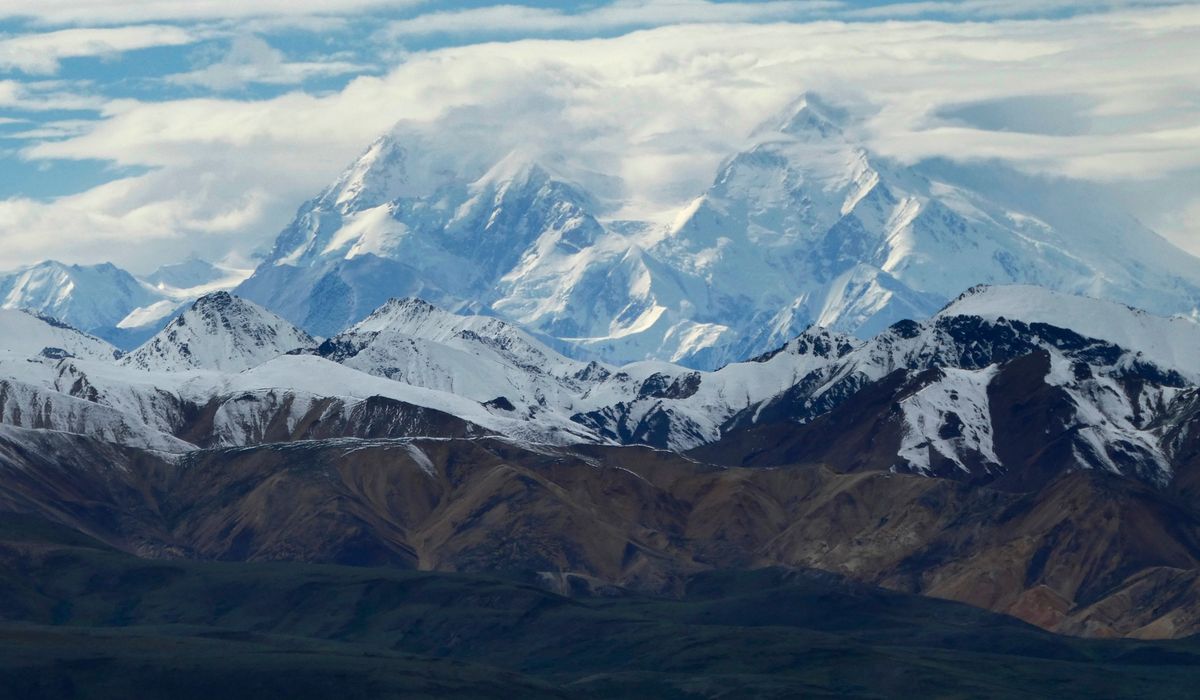
Three climbers from a Latvian mountaineering group fell near a treacherous pass on Mount McKinley, North America’s tallest peak, and have been reported dead, the group announced Friday; the incident underscores the extreme risks of high-altitude climbing and the unique rescue challenges on Alaska’s mountains.
The announcement that three climbers died on Mount McKinley came from a Latvian mountaineering group and was made public on Friday. Mount McKinley, also known as Denali, towers over Alaska and demands respect for its altitude, storms, and shifting snow. Any fall near a dangerous pass on that mountain can quickly become fatal because of steep terrain and hidden hazards.
Denali sits at about 20,310 feet, and its elevation creates thin air and rapid weather swings that can catch even experienced climbers off guard. Parties moving through passes face crevasses, seracs, and avalanche-prone slopes that can change over short distances. The combination of altitude and complex terrain makes both travel and rescue operations far more difficult than on lower peaks.
Alaska search and rescue teams routinely face logistical barriers when responding on Denali: limited daylight windows, high winds, and the need to stage long-range helicopter or fixed-wing support can delay assistance. Cold and exposure are immediate threats after a fall, and hypothermia can set in within minutes under the wrong conditions. These realities mean that successful recoveries often depend on rapid detection, clear communication, and favorable weather.
Many climbers on Denali travel roped together to protect against falls and crevasses, but even disciplined parties can encounter sudden ice or snow failures. Route choice and timing play a major role; some passes funnel wind and snow in ways that make them especially hazardous. Teams from overseas, including highly motivated national groups, must adapt their plans to Alaskan conditions, which can differ drastically from European or Himalayan climbs.
Mountaineering groups typically issue statements after incidents, both to inform relatives and to coordinate with local authorities and rescue organizations. Those notices provide initial facts but often leave room for later updates as rescue teams complete assessments. Public information in the immediate aftermath can be limited while agencies work to confirm identities and circumstances.
Climbing Denali involves more than technical skill; it requires careful planning for weather windows, food, fuel, and emergency shelter. Staging at lower elevations for acclimatization, carrying redundant safety gear, and maintaining flexible turnaround plans are common safeguards used by seasoned teams. Nonetheless, the mountain’s unpredictability means that even the best-laid plans can be overwhelmed by sudden events.
The broader mountaineering community responds to tragedies with a mix of sorrow and renewed emphasis on safety practices, sharing lessons learned without sensationalizing individual loss. Training, honest route appraisal, and conservative decision-making are recurring themes in post-incident discussions. For guides and leaders, the balance between summit goals and party safety is a constant, often gut-level call in severe conditions.
Incidents on remote alpine terrain highlight how quickly a risky situation can escalate and how limited the window for effective help can be. For those organizing expeditions, coordination with local search and rescue resources and realistic contingency planning are essential. Ultimately, events like this are sobering reminders of the mountain’s power and why attention to detail matters at every stage of an expedition.

