

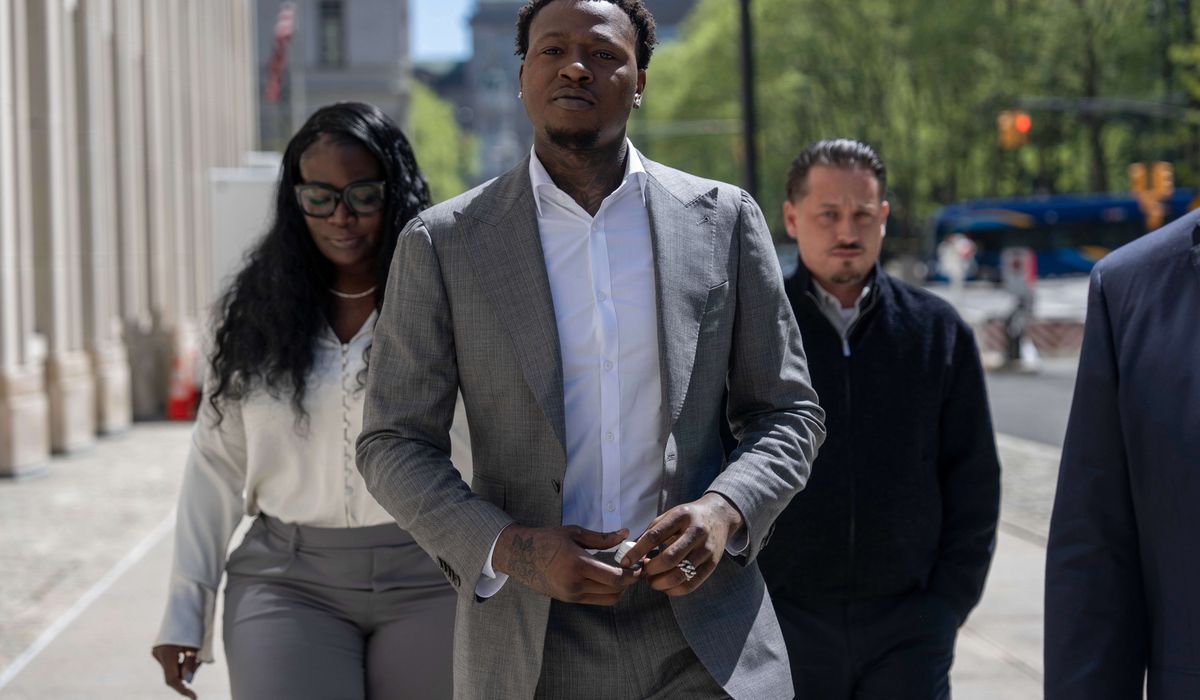
Federal prosecutors have added charges against former Miami Heat guard Terry Rozier in a sports gambling sting, accusing him of accepting a large bribe to leave a game early in March 2023.
Federal authorities say the new indictment expands the legal trouble surrounding Terry Rozier and ties him to a scheme uncovered in a sports gambling sting. The allegation centers on a payment described as a hefty bribe that prompted Rozier to exit a game early in March 2023. Prosecutors contend that conduct like this can distort betting markets and trigger criminal liability when coordinated and paid for.
The update from prosecutors appears to follow an ongoing investigation into gambling-related corruption that reached professional basketball. When federal agents pursue these matters, they often focus on whether payments were intended to affect the outcome of contests or to influence the behavior of players during games. Those lines between legal betting, improper inducements, and criminal conspiracy are what indictments are built around.
An indictment does not equate to guilt, but it does signpost serious exposure to felony charges and federal court processes. Defendants typically face pretrial procedures, potential plea negotiations, and possibly a jury trial if the case proceeds. The federal system also allows prosecutors to broaden allegations as new evidence surfaces, which appears to be the case here.
Allegations that a player accepted money to leave a game early cut to the heart of sports integrity concerns. Leaving a contest before its conclusion can change the flow of play, affect statistics, and, in turn, alter betting lines and payouts. For that reason, both criminal investigators and leagues treat such actions with heightened scrutiny.
League policies also factor into the fallout, since professional organizations maintain rules that prohibit gambling by players and forbid conduct that undermines competitive fairness. Even absent a criminal conviction, teams and the league can impose suspensions, fines, or other discipline based on their internal standards. Those penalties are administrative and separate from the criminal justice process.
From a legal defense perspective, cases stemming from undercover sting operations frequently hinge on questions of intent and entrapment. Defense lawyers commonly challenge whether their client knowingly agreed to a corrupt scheme or was induced by agents into committing an offense. The evidence prosecutors present—financial records, communications, witness testimony—will be central to resolving those issues.
The timing in March 2023 is key only as the alleged conduct anchors the indictment to a discrete event. Investigators often use specific incidents to demonstrate a pattern of behavior or to connect payments to particular outcomes. That linkage is what prosecutors must show to persuade a jury beyond a reasonable doubt that criminal conduct occurred.
Beyond the courtroom, the reputational damage from these allegations can be immediate and lasting. Players accused in high-profile gambling probes can lose endorsement deals, face strained relationships with teammates and coaches, and see their market value decline in contract negotiations. Those consequences sometimes arrive well before any legal resolution.
Federal prosecutions in the sports gambling space have increased as betting has grown, prompting both law enforcement and leagues to pay closer attention to potential corruption. Investigations may unfold over months or years and can involve coordinated efforts among state and federal authorities. That sustained scrutiny aims to deter misconduct and preserve the integrity of competition.
How this particular case develops will depend on the strength of the evidence, the defenses raised, and the procedural moves made by both sides. Court dates, filings, and plea discussions will shape the public record and determine whether the matter resolves before trial. Until then, the indictment remains the formal accusation framing the federal case.
For now, the central allegation is clear: prosecutors claim Terry Rozier accepted a sizable bribe to leave a game early in March 2023 as part of a broader sports gambling sting. The legal and professional stakes are significant, and the next phases of litigation will reveal the details prosecutors rely on to support the expanded charges.

