

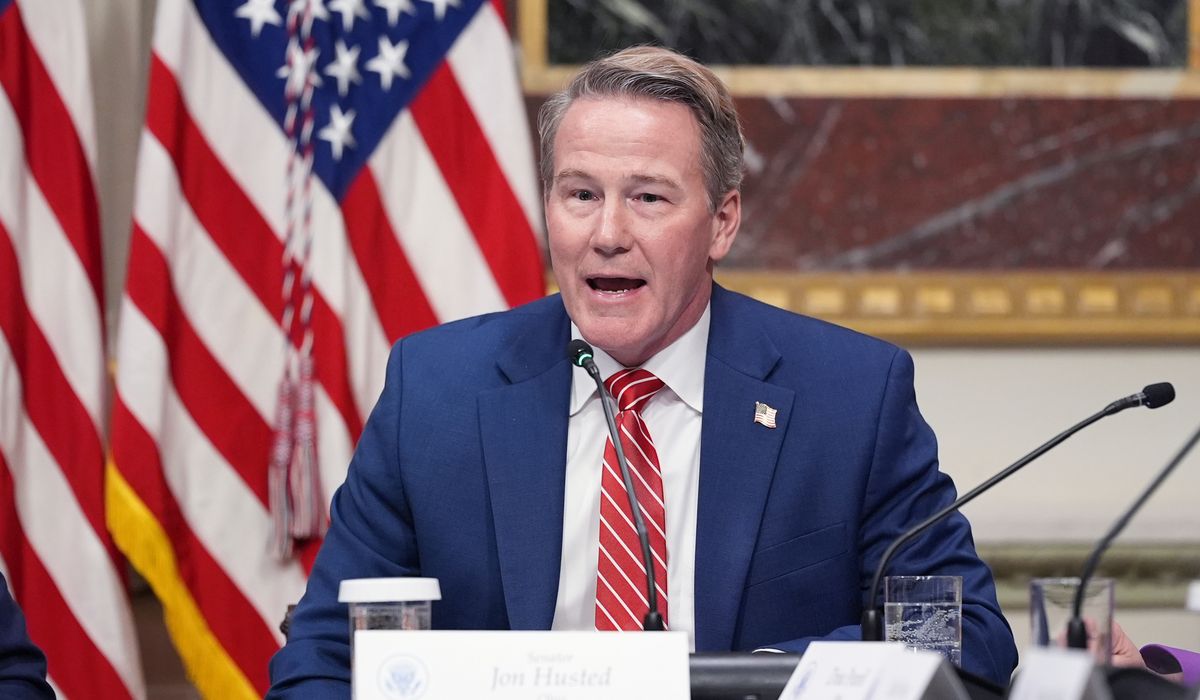
Recent Fox News polling indicates President Trump’s standing in Ohio has dropped since 2024, and that decline is spilling over into the Republican candidate he backed in the state’s upcoming Senate contest.
The numbers landed like a wake up call inside GOP circles. For conservatives who count Ohio as a bellwether, the shift signals more than a temporary wobble; it underlines how presidential approval and local races remain tightly linked in this state.
Republicans should accept the blunt fact that national dynamics can complicate local campaigns. Holding a Senate seat in Ohio will require both defending core conservative principles and addressing voter concerns that go beyond any single personality.
This is not an argument for abandoning the president or changing principles. It is a call to adjust tactics: the party can remain loyal to its agenda while adapting messaging and field strategy so endorsed candidates can stand on their own merits with Ohio voters.
Voters here respond to bread and butter issues — jobs, inflation, public safety, and energy. Framing those issues in concrete terms, with clear GOP policy contrasts, helps transfer support from a national figure to the local candidate who will fight for Ohio in Washington.
Campaigns must also reckon with turnout realities. Midterm and special races often hinge on who shows up, and when enthusiasm tied to any leader softens, ground operations and targeted persuasion become decisive. That means outreach to suburbs, exurban independents, and disaffected voters who might otherwise sit out the race.
Endorsements still matter, but they do not substitute for a campaign’s independent story. A candidate needs a distinct Iowa-style retail pitch that connects to county-level concerns while reminding voters of conservative wins at the state and federal level.
Messaging should avoid circular debates about national grievances and instead offer tangible plans for Ohio families. Talk about lowering energy costs, protecting manufacturing jobs, shoring up the border, and supporting law enforcement in terms people encounter every day.
The party also has to manage optics and media narratives. When a prominent endorsement becomes a liability in a specific market, successful campaigns pivot quickly and visibly, emphasizing local endorsements, community leaders, and real-world accomplishments rather than relying only on national profiles.
Finally, Republicans should view this moment as an operational test rather than an existential crisis. Ohio remains winnable for conservatives, but winning will take disciplined message discipline, smart targeting, and a campaign that speaks to the practical needs of voters while staying true to conservative principles.

