

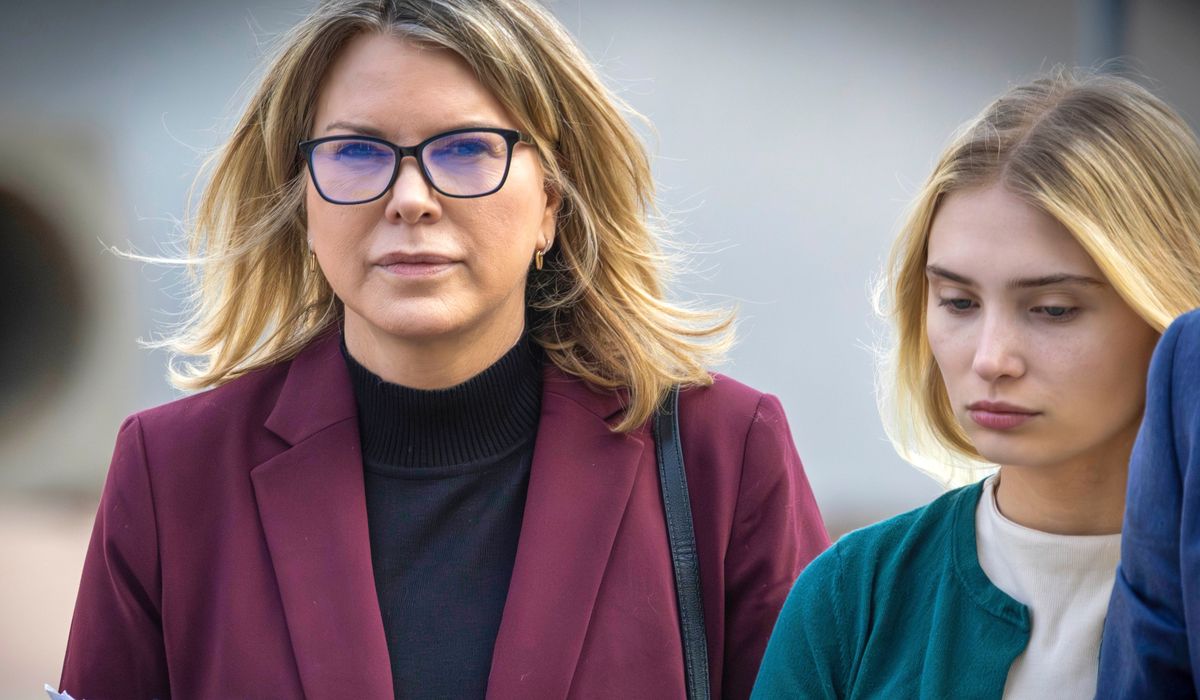
A Los Angeles jury has ordered a $176 million award to the parents of two young brothers who were killed when a car driven by a California socialite struck them in a crosswalk nearly six years ago, delivering a major civil judgment after a long and high-profile case.
The jury’s decision to award $176 million reflects the scale of the tragedy and the legal responsibility assigned in the civil courtroom. This is a civil verdict, reached after testimony, evidence and deliberation, and it places a clear monetary judgment on the loss suffered by the family. The case has drawn attention because of the age of the victims, the circumstances in a pedestrian crosswalk and the high dollar figure involved.
The crash occurred nearly six years ago when two young brothers were hit while crossing in a marked crosswalk, a moment that ended their lives and began a lengthy legal process for their parents. The vehicle was driven by a person described as a California socialite, and the collision was followed by an investigation and eventual civil litigation. The families pursued a lawsuit that culminated in the jury award, aiming to hold the driver civilly accountable for the deaths.
Civil trials like this are designed to weigh liability and damages, not to determine criminal guilt in the way a criminal court would. A large monetary judgment can compensate for tangible losses and for noneconomic harms, including pain, suffering and the loss of future support and guidance. Juries in wrongful-death suits consider testimony about the events, expert analysis and the emotional toll on surviving family members when deciding how much to award.
For the parents, the award represents a form of legal recognition of the harm done and a possible path to resources that can cover funeral costs, ongoing needs and other financial burdens. Money cannot replace the two boys, and grieving families often describe verdicts as complicated: they can bring a sense of validation along with the painful reminders of what was lost. The courtroom outcome does not erase the daily reality of mourning, but it does mark a definitive legal finding.
From the defendant’s side, a large verdict often leads to appeals and financial negotiations before any funds change hands, with defendants seeking to reduce or overturn awards through higher courts. Civil judgments can be enforced through various legal mechanisms, and insurance policies, personal assets and bankruptcy protections may all affect actual recovery. The path from verdict to payment is rarely immediate and can extend the timeline of the case for months or years.
Beyond the family and the courtroom, the case raises broader questions about pedestrian safety and responsibility on public streets. Crosswalks are designated precisely to protect people on foot, and collisions there prompt scrutiny of driver behavior, traffic enforcement and street design. High-profile cases can spur renewed attention to how communities protect vulnerable road users and whether laws and enforcement are adequate to deter risky driving.
Public reaction to large wrongful-death awards is often mixed, with some seeing them as necessary accountability and others viewing them as punitive or excessive. Legal experts point out that civil awards serve different goals than criminal sentences, including compensation and public deterrence, while critics worry about unpredictable jury verdicts and the long-term impact on liability insurance and litigation. Whatever the views, this verdict will likely prompt appeals and further legal maneuvering as both parties consider their next moves.

