

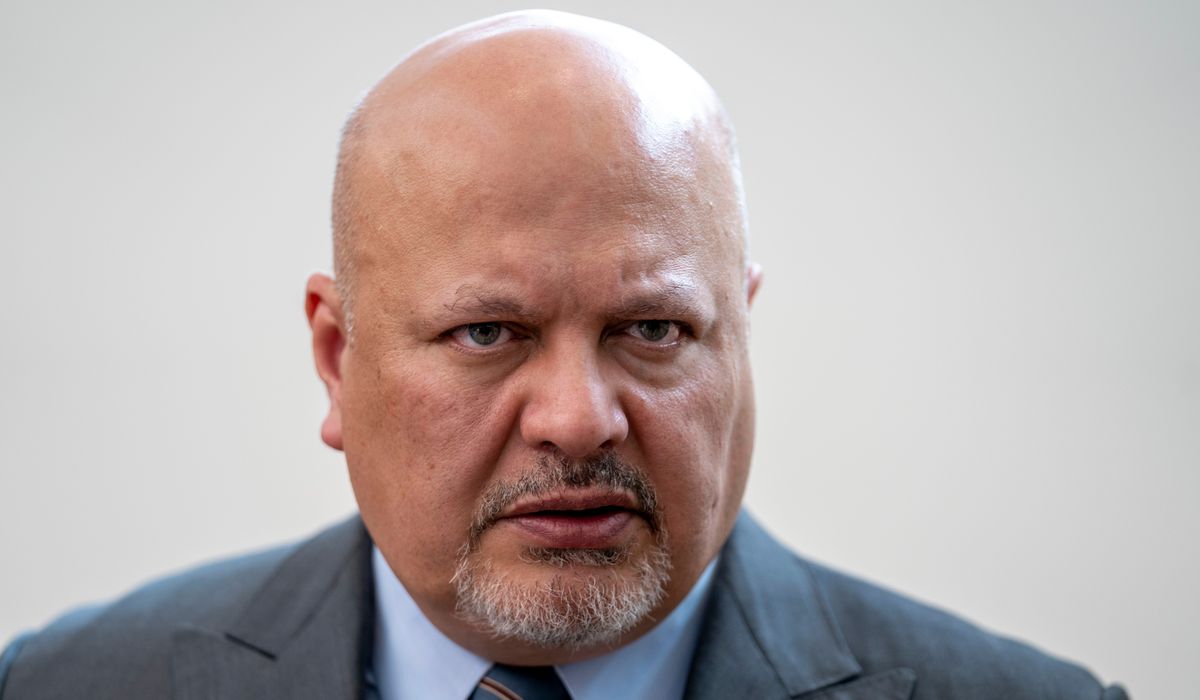
The International Criminal Court’s chief prosecutor, Karim Khan, was suspended late Monday after the court’s oversight body referred him for disciplinary proceedings, a development that raises immediate questions about internal accountability, the court’s procedures, and the broader implications for international justice.
The embattled chief prosecutor of the International Criminal Court was suspended from his duties late Monday, after the court’s oversight body referred Karim Khan for disciplinary proceedings. The decision landed suddenly and forced the court to confront a leadership gap at a sensitive moment for multiple investigations and ongoing cases. Officials declined to offer a full public account of the allegations while the referral moves through internal channels.
The referral itself signals that the court’s internal watchdog found cause to escalate concerns into formal discipline, which under the court’s governance triggered the suspension. That step is administrative, not a criminal finding, yet it carries practical weight because it removes Khan from operational control. The suspension will now exist alongside whatever protections the rules afford him during the inquiry, and it will shape public perception of the court’s stability.
From a Republican viewpoint, this episode underscores the need for clear accountability at international institutions that exercise power over sovereign actors and individuals. Republicans have long argued that such bodies must be transparent and answerable, because their decisions touch on national sovereignty, troop deployments, and the fate of citizens abroad. The current move will likely be seized on by critics who say the court lacks the checks and balances necessary to earn broad international confidence.
The timing matters because ongoing investigations and prosecutions rely on steady leadership to coordinate evidence gathering, witness protection, and legal strategy across borders. A suspended prosecutor means deputies must step up amid what are already complex, politically charged cases. Those deputies will face a choice: keep the docket moving with minimal drama, or slow down to avoid missteps that could undermine fragile prosecutions.
For governments watching closely, the suspension presents both a challenge and an opportunity. Allies that back the court will want assurance that the disciplinary process is thorough and fair, while skeptical governments and critics will press for fast, visible reforms to prevent repeat problems. The court’s credibility depends on how cleanly it handles internal discipline without turning the process into a prolonged spectacle that distracts from justice for victims.
The political fallout will be immediate at home and abroad, shaping debate over funding, cooperation, and legal assistance to the court. Republican policymakers will likely push for stricter oversight measures and clearer standards for removing senior officials at international tribunals. They will also demand that any disciplinary process protect the rights of the accused while preventing political influence from dictating outcomes.
Looking ahead, the referral and suspension set a clock on the court’s internal handling of the matter, but they do not resolve the larger questions about the ICC’s role and authority. If the inquiry uncovers administrative failings, reforms should follow to shore up procedures and restore confidence. If the charges do not hold up, the court must move quickly to repair reputational damage and ensure leadership continuity so that crucial cases do not stall.

