

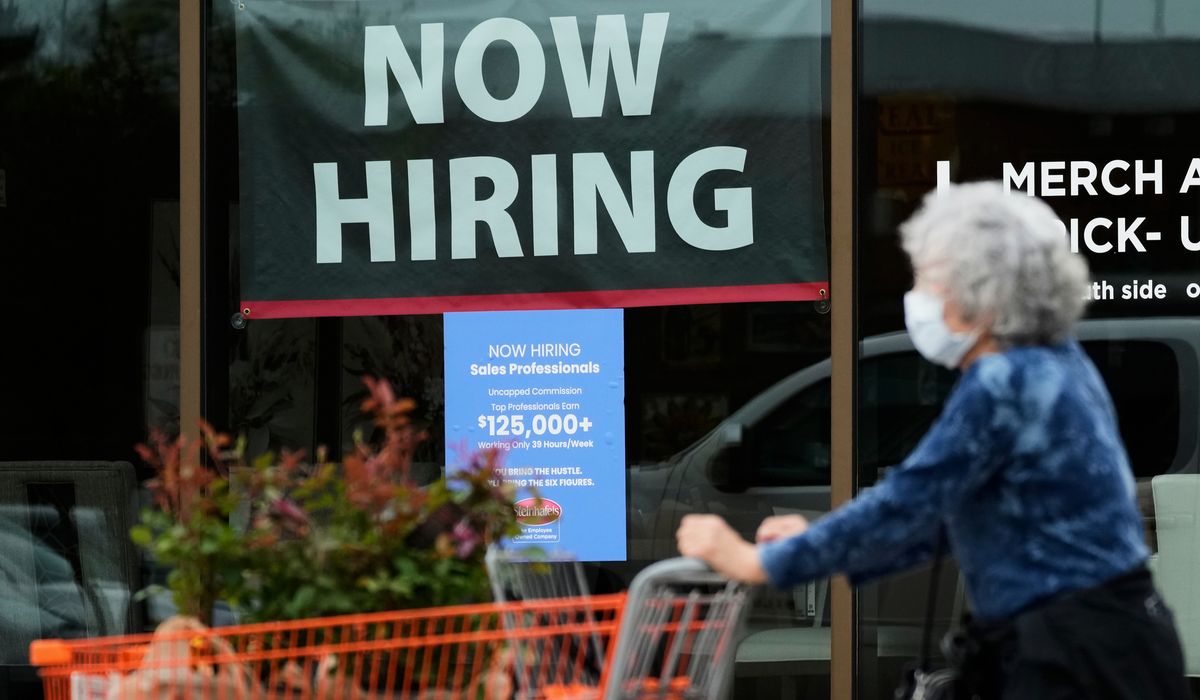
The government reported that the U.S. shed 23,000 jobs in July, a surprising monthly report that interrupted a stretch of steady gains earlier this year and sent fresh uncertainty through markets and policy debates.
The July jobs figure — a loss of 23,000 positions — landed as a clear upset after months of steady hiring, and it reminded people that labor numbers can swing from month to month. That single snapshot does not erase the gains seen earlier in the year, but it does raise questions about momentum. Policymakers, businesses, and investors all took notice when the government released the data.
Seasonal quirks and revisions can trim payrolls in a given month, so this drop might partly reflect calendar effects. Still, a headline loss is politically powerful and shapes headlines far more than quiet improvements. For workers and hiring managers alike, the change injects a degree of caution into decisions that had been moving forward with more confidence.
From a Republican perspective, the number underlines the consequences of uncertain economic policy and heavy-handed regulation. When hiring stalls, arguments for lower taxes, streamlined rules, and a clearer economic compass get louder. Republicans see the jobs wobble as evidence that private-sector dynamism must be unleashed rather than smothered by new mandates.
The Federal Reserve will be watching this and future reports closely, since payrolls are a core input to rate decisions. A softer jobs print can ease the pressure on policymakers who have been focused on reining in inflation. At the same time, the Fed knows that a single month does not define a trend, so it will weigh other indicators like wage growth and labor force participation before shifting course.
Employers told surveyors in recent months that hiring intentions were cooling, and the July report seems to reflect that caution. Firms juggling higher input costs and regulatory uncertainty may slow new hiring even when demand holds up. That environment encourages more contingent work and careful head-count management rather than bold recruitment pushes.
For households, even a small pullback in payrolls matters, because it affects job search confidence and bargaining power for raises. Workers who expected steady openings may find negotiations tougher if employers cite volatility. A pause in hiring also changes the calculus for people considering moves between jobs or entering the labor force.
Looking back, the steady gains earlier in the year gave policymakers some political cover and markets a reason to assume resilience. This July blip complicates that narrative and hands opponents a clear talking point. Republicans argue that lasting growth comes from policies that encourage investment and energy independence, not temporary fixes that mask structural problems.
What happens next depends on the next set of monthly numbers and whether businesses regain confidence. If hiring rebounds, this will be filed away as a one-month wobble; if it does not, the debate over fiscal and regulatory policy will sharpen. Either way, businesses, workers, and lawmakers will be watching closely to see whether the direction shifts again or this turns into a longer pause.

