

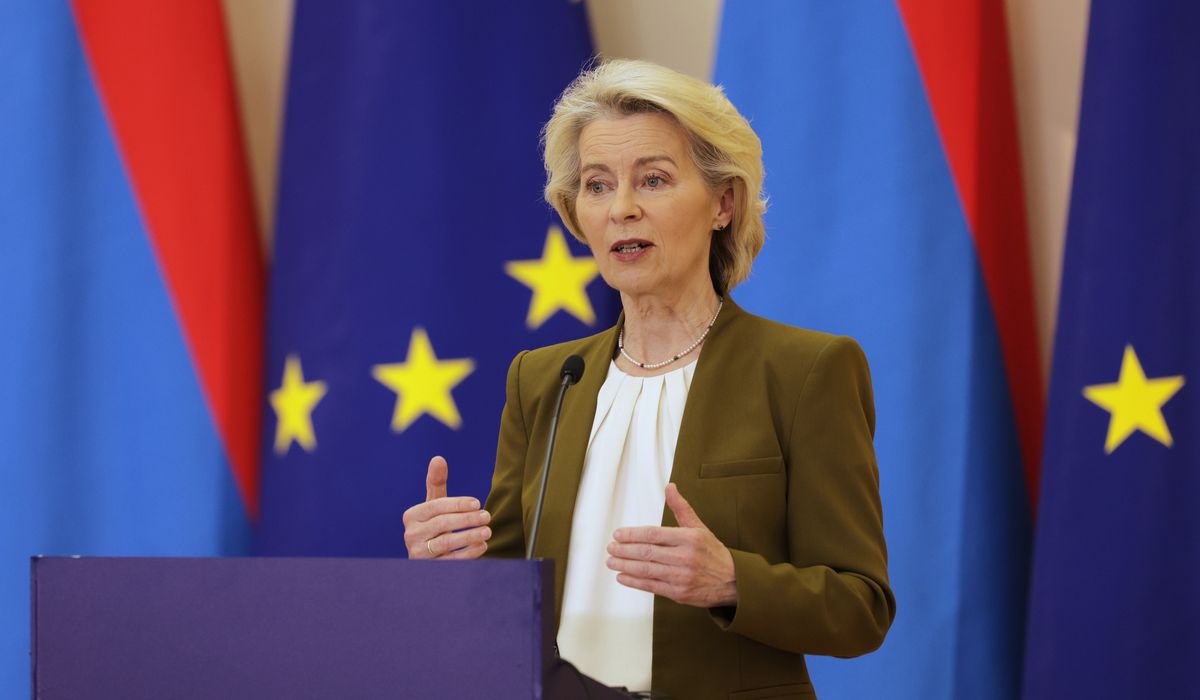
The European Union’s 21st sanctions package bars anyone who fought on Russia’s side from entering EU countries, a move that tightens travel bans and raises fresh enforcement challenges for allies and border states.
The EU’s announcement of a 21st sanctions package that explicitly bars people who fought for Russia from entering member states marks a clear escalation in pressure. This measure targets foreign fighters and those who lent direct support to Moscow’s war effort, and it changes the travel calculus for mercenaries and volunteer combatants. From a Republican perspective, it’s the sort of firm response we should expect from democratic governments facing unprovoked aggression.
This step is overdue and sensible, but it will only matter if enforcement matches the rhetoric. Banning entry on paper is straightforward, but identifying individuals who took up arms, verifying their actions, and coordinating visa cancellations across dozens of consulates is complex. Republicans will want to see muscle behind the policy: consistent implementation, robust intelligence sharing, and consequences for officials who fail to act.
Operationally, the move requires beefed-up border controls, visa screening, and lists that are defensible in court. That means member states must share evidence, update watchlists, and use modern tools to detect fraudulent documents and travel patterns. If EU countries fail to harmonize procedures, fighters will simply exploit weak links in the Schengen area and surrounding states.
Identifying fighters is not just a border problem; it’s an intelligence and diplomacy problem. Open-source evidence from social media, battlefield footage, and unit rosters can help, but it must be paired with vetted intelligence and legal review. Allies should avoid knee-jerk exclusions that could be overturned, and instead focus on creating airtight cases so sanctions stick and courts uphold the decisions.
This 21st package also carries diplomatic weight. It signals to Moscow that the West remains committed to isolating those who sustain the war effort, and it could prompt retaliatory moves from Russia that affect trade, diplomacy, or even the treatment of foreign nationals. Republicans tend to accept that deterrence can invite pushback, but the alternative — permitting unchecked recruitment and travel by hostile fighters — is worse for long-term security.
Sanctions are part of a layered strategy that includes military aid, economic pressure, and targeted diplomatic isolation, and this new package shows continuity in that approach. The EU has now added another round to an ongoing effort, and that persistence matters. Still, sanctions have to be calibrated to minimize harm to innocent civilians while maximizing impact on those who plan, fund, or take up arms on the Kremlin’s behalf.
For maximum effect, this policy needs swift allied coordination and practical follow-through: shared databases, joint investigations, and pressure on third countries that host recruitment networks or facilitate travel. Republicans will press for intelligence cooperation with the United States and NATO partners, tighter scrutiny of passport and visa issuance, and financial controls that freeze assets tied to mercenary networks. Done right, the ban limits safe haven for fighters; done poorly, it becomes another headline with no teeth.

