

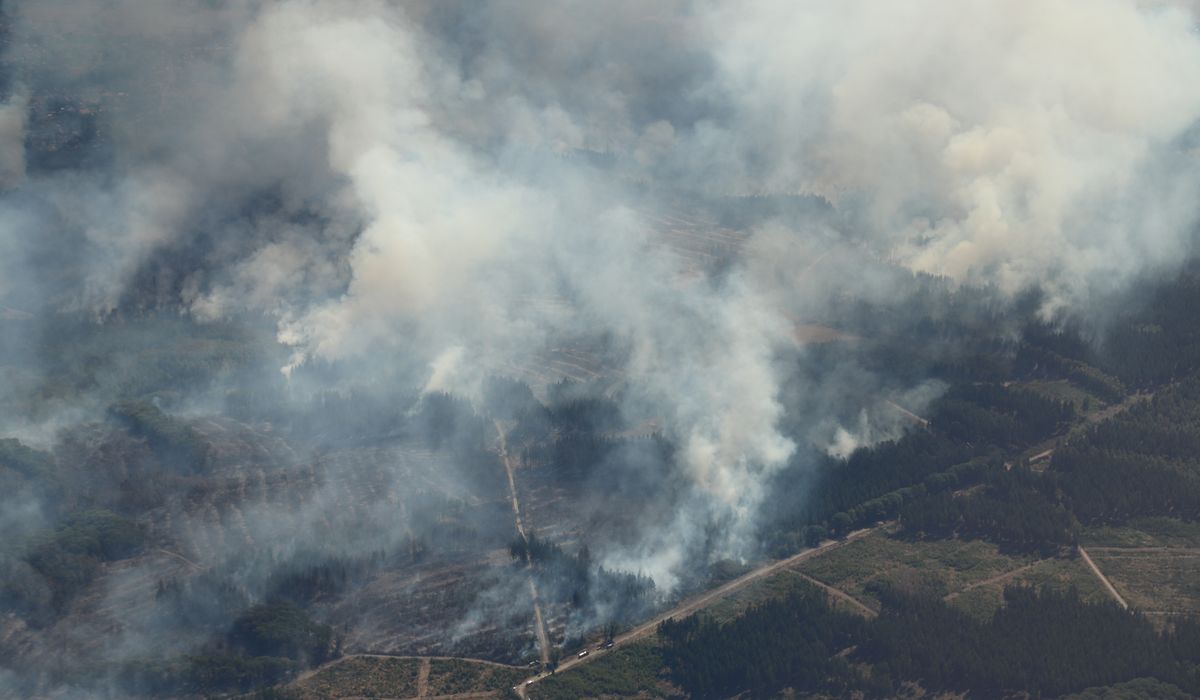
Fire crews across Europe faced a fierce challenge Friday as a fresh wave of record-breaking heat fueled multiple wildfires, and unusually dry landscapes made containment harder. The situation forced evacuations, strained firefighting resources, and worsened air quality in affected regions. Communities and emergency services scrambled to react as flames spread across forests, grasslands, and scrub that had become tinder-dry.
Firefighters in several countries reported relentless flames and difficult working conditions as temperatures climbed well above seasonal norms. Ground crews and aircraft battled blazes that moved quickly over parched terrain, sometimes jumping containment lines in minutes. The dryness of soils and vegetation left little margin for error and limited opportunities for controlled suppression.
Local authorities ordered evacuations in towns downwind from major fires, and emergency shelters filled as families left homes and holiday sites. Roads were closed in several regions to allow fire services and support vehicles to operate, and officials warned residents to expect smoke and reduced visibility. Hospitals reported rising numbers of people seeking care for respiratory problems linked to smoke exposure.
National firefighting agencies coordinated with regional partners to share equipment and personnel, but many reported that local resources were already near their limits. A shortage of available aircraft in some areas meant ground crews carried much of the immediate burden, often working long shifts in extreme heat. Mutual aid agreements were activated as neighboring countries offered crews and specialist vehicles where possible.
Power lines and other infrastructure were threatened where flames reached agricultural edges and transmission corridors, prompting preventive shutdowns in some communities. Rail services experienced delays or cancellations in areas where tracks were affected by heat and nearby fires. Airports adjusted schedules when smoke reduced visibility, disrupting travel and logistics in impacted regions.
Fire managers highlighted how quickly blazes could grow when fuels were continuous and winds gusted, stressing the importance of early detection and rapid response. Crews used a mix of containment lines, controlled backburning where safe, and aerial water drops to try to slow wildfire advances. Night operations were sometimes preferred when temperatures dropped and humidity improved, giving firefighters a better chance to work safely and effectively.
Water supply became a logistical concern in several fire zones, with crews trucking water to remote sites and tapping local reservoirs where possible. Firefighting aircraft relied on nearby lakes and reservoirs for scooping operations, and emergency services balanced suppression needs with local water use restrictions. In some rural areas, wells and local water networks faced increased demand from both residents and suppression teams.
Air quality agencies issued alerts for vulnerable groups and advised people to limit outdoor activity as fine particulate levels rose in affected regions. Schools and care facilities adjusted schedules to protect children and the elderly from smoke exposure, and employers were urged to consider indoor alternatives for outdoor workers. Public health officials emphasized hydration and avoidance of strenuous activity when smoke was present.
Scientists and land managers pointed to the role of prolonged dryness in amplifying fire risk, noting that a season of low rainfall and warm temperatures left forests and grasslands unusually flammable. They said landscape-level fuel conditions, such as accumulated deadwood and dried undergrowth, helped fires spread once ignited. Authorities called for steady investment in preventive work, including vegetation management and community preparedness.
Emergency response teams continued assessing damage and updating containment estimates as crews worked to secure perimeters and protect populated areas. Recovery planning began in places where fires had moved through neighborhoods and farmland, focusing on debris removal and restoring basic services. As the immediate danger eased in some sectors, attention shifted toward supporting displaced residents and evaluating longer-term resilience needs.

