

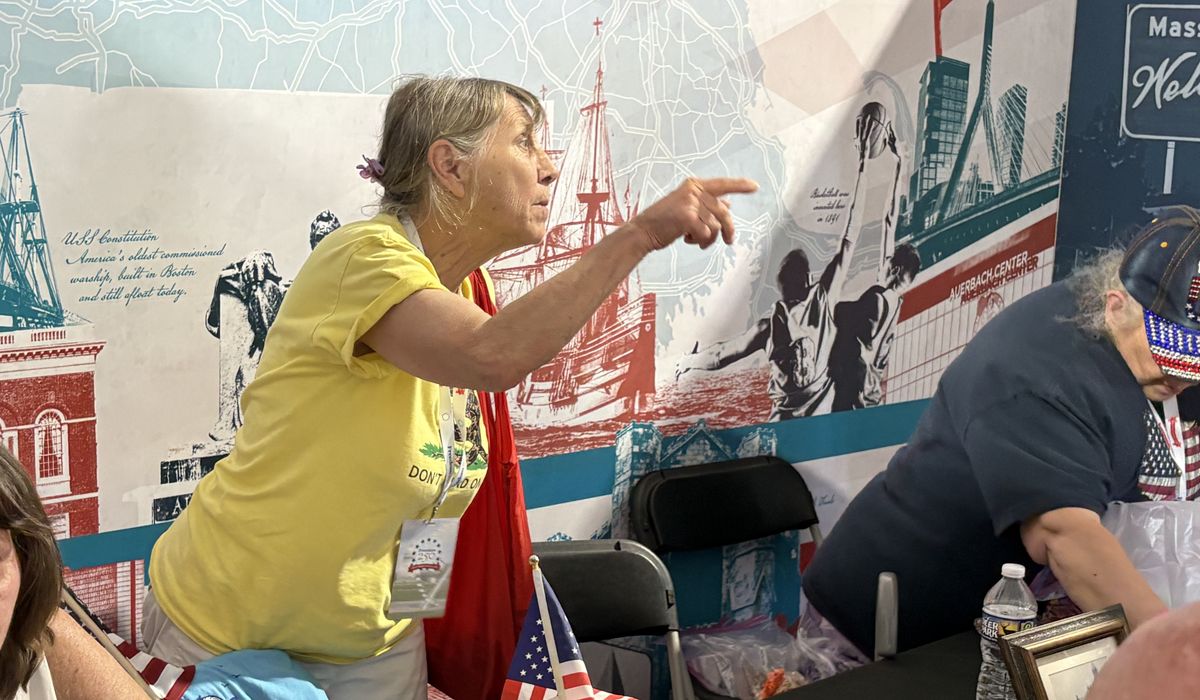
Donna Festinger led a push to make sure Massachusetts put its best foot forward at the Great American State Fair, blending history, local flavor, and a clear sense of state pride into one focused effort.
Donna Festinger wasn’t going to let Massachusetts, one of the most influential colonies during the nation’s founding, pass on a chance to showcase its best self during the Great American State Fair. She treated the fair as more than an exhibit; to her, it was an opportunity to present a compact story of the state’s identity. That straightforward goal drove planning, partnerships, and plenty of late nights.
The booth she organized mixed colonial echoes with modern Massachusetts energy, from historic references to contemporary makers. Local artisans and small producers were a big part of the plan, because the state can tell a lot about itself through what people make and sell. Visitors responded to that mix; the space felt intentional rather than thrown together.
Food was a clear hook, with classic New England elements reworked into fair-friendly bites. Vendors leaned into regional tastes while keeping lines moving and portions handheld. The result was familiar flavors presented in an approachable way that drew attention without overwhelming the broader message.
Festinger also added a short, rotating schedule of talks and demonstrations to give the booth rhythm across long fair days. Those moments offered quick historical context, hands-on craft demos, and short Q&A sessions that kept people lingering. It was a way to fold storytelling into what otherwise could have been a passive stop on the fair route.
Partnerships mattered; she recruited nonprofits and tourism groups that could speak authentically about Massachusetts. That network brought credibility and helped spread the workload, ensuring the booth looked polished at all hours. The collaborators also amplified the content, turning a single footprint at the fair into a wider conversation.
Design choices kept the visual language clean and direct, favoring clear signage and comfortable flow for foot traffic. Everything aimed to make it easy for visitors to move through, taste something, and take a keepsake or a pamphlet without feeling crowded. The practical setup supported the larger message without competing with it.
Staffing came with its own challenges, and Festinger prioritized training so every person on shift could explain why the booth mattered. That frontline knowledge turned casual curiosity into conversations that stuck. When volunteers and vendors knew the core points, the overall presentation felt cohesive and purposeful.
Social elements were simple and focused on connection rather than flashy stunts, with a few places to sit and talk and a table or two for hands-on activities. It encouraged people to slow down, ask questions, and pick up a bit of local lore. That human approach made the booth feel less like a marketing machine and more like a friendly introduction to the state.
Measuring impact included basic metrics: foot traffic, pamphlets taken, and sign-ups to follow-up lists, plus anecdotal feedback from visitors. Those numbers mattered because they showed whether the effort translated into curiosity and interest beyond the fair. Festinger used the data to adjust staffing and schedule for later days.
Budgeting was practical and leaned toward durable materials that could be reused or repurposed for future events. That mindset reduced waste and saved money down the line, while still delivering a professional look. Investing in reusable pieces let the team focus funds on local producers and programming instead of disposable decor.
Small touches kept the tone genuine, like featuring regional music and a rotating spotlight on lesser-known towns. Those details reinforced the idea that Massachusetts is more than a single image; it’s a collection of places and people worth exploring. Visitors picked up on that authenticity, and many paused to ask more about where things came from.
By the end of the fair, the booth had turned first-time passersby into engaged visitors and handed out a lot of regional pride in manageable, memorable bites. The approach was straightforward: honor the past, celebrate the present, and give visitors things to remember. For those who ran the space, it felt like a modest but effective victory.
Future iterations will likely carry forward the balance of history and contemporary makers, keeping the setup nimble enough to spotlight changing priorities. The fair proved useful as a testing ground for what resonates beyond a single event. That flexible approach gives the state plenty of options for the next showcase.

