

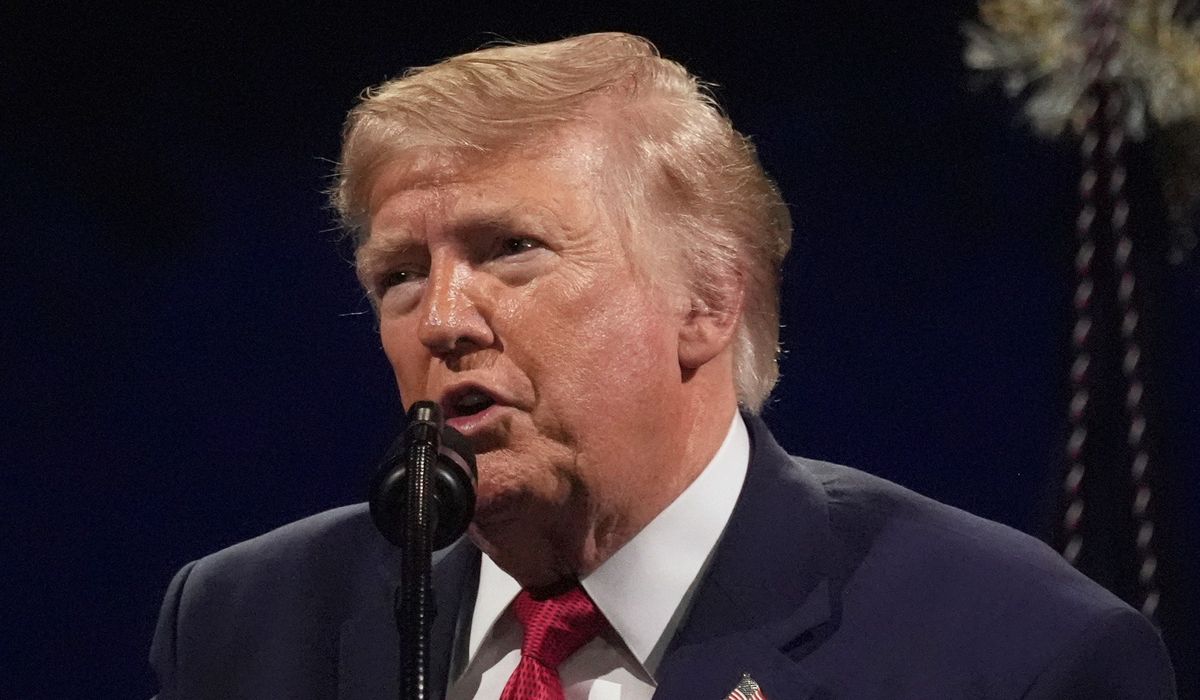
President Trump shared an altered image that showed former President Barack Obama and Michelle Obama appearing to board an Air Force One that had been spray-painted with graffiti, a post that quickly drew attention and sparked debate over authenticity, media treatment, and the responsibilities of public figures online.
The post in question touched a nerve across the political spectrum because it mixed recognizable public figures with an obvious visual manipulation, forcing people to parse satire, prank, and deception. That mix makes these incidents political theater as much as they are media events, and it changes how voters and newsrooms respond. “President Trump on Sunday posted a falsified image of former President Barack Obama and his wife, Michelle Obama, waving before boarding an Air Force One that had been spray-painted with graffiti.” This sentence describes the core claim exactly as reported.
From a Republican viewpoint, this episode should be seen through two lenses: one is the political weaponization of imagery, and the other is the broader freedom to communicate politically provocative messages. Presidents and ex-presidents operate in a different arena, where bold visuals and viral posts can move narratives faster than traditional statements ever did. That reality does not excuse fakery, but it does change expectations about how political figures communicate and how supporters react.
Fact-checkers and platforms have a job here, but enforcement often looks selective and politicized to many conservatives. If platforms label or remove content unevenly, trust erodes and gamesmanship increases; people begin to assume everything is staged or censored depending on the actor. Republicans will argue for clear, consistent rules that don’t become a tool to silence one side while excusing the other.
At the same time, Republicans can acknowledge the problem. A falsified image presented as real undermines credibility for anyone who shares it and gives opponents easy ammunition. Responsible leaders should know that political advantage gained by deception can backfire and damage the public’s faith in institutions, including elections and national leadership.
The digital era also intensifies the pressure on newsrooms to react instantly, which creates mistakes and uneven coverage. Outlets race to confirm or condemn without always having full context, and that rush often looks like bias to right-leaning audiences. Conservatives want accuracy and fairness from the press, not just speed or performative outrage that fits a narrative.
There is a practical side here for campaigns and public figures: if you use shock or satire, tag it clearly or accept the fallout. Voters are savvy and can tell the difference between a pointed political image and outright fabrication meant to mislead. Smart political strategy balances attention-grabbing moves with credibility so that a campaign’s message isn’t undermined by its tactics.
Finally, the incident raises questions about how institutions respond when leaders cross lines. Republicans typically prefer solutions that protect free speech and avoid heavy-handed censorship, while still encouraging transparency and accountability. That balance is tricky, but it matters: citizens want a marketplace of ideas where truth prevails without giving a handful of platforms unchecked power to decide what counts as acceptable discourse.

