

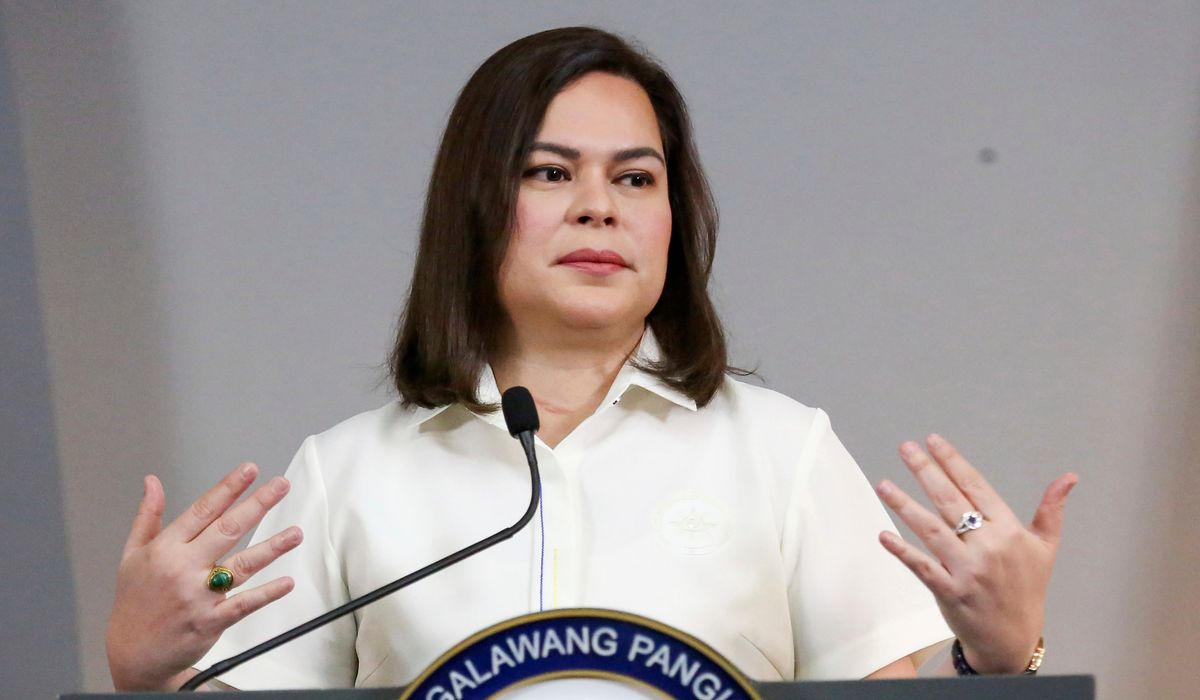
The Philippine Senate has convened as an impeachment court to begin the trial of Vice President Sara Duterte, launching a high-stakes legal and political process that comes amid sharp tensions in the country’s political scene. The opening session took place on Monday and signals a months-long proceeding that will test institutions, parties, and public patience. Observers are watching for how evidence, procedure, and political calculation will shape the outcome.
The Senate acting as an impeachment court is a constitutional mechanism meant to resolve extraordinary claims against high officials, and its activation for Vice President Sara Duterte marks a rare and consequential step. The session opened on Monday, formally initiating a process that mixes legal standards with political judgment, and it will play out under intense media and public scrutiny. That combination—law wrapped in politics—raises tough questions about fairness and appearance.
This proceeding arrives against a politically volatile backdrop described in reporting as involving a bitter feud, and that atmosphere will complicate how both sides present their cases. When passions run high, the line between legitimate accountability and political score-settling can blur, and the Senate’s role as arbiter will be judged not only by its verdict but by how transparently it follows rules. Every filing, witness list, and procedural motion will be read as both legal argument and political signaling.
From a Republican viewpoint, accountability matters and so does due process; the two are not mutually exclusive. Holding public officials to account reinforces public trust when done fairly and promptly, but the process must also protect the presumption of innocence and guard against abuse for partisan gain. The challenge for senators is to refuse the spectacle while ensuring the complaint is taken seriously and evidence is tested in public view.
Practical consequences will be immediate: government attention shifts, legislative agendas slow, and political actors will recalibrate alliances based on perceived risks and benefits. That kind of churn can stall decision-making on budgets, infrastructure, and security matters that citizens expect elected leaders to pursue. A system built for stability should avoid letting a high-profile trial paralyze essential governance, even as it holds leaders accountable.
Evidence and testimony will be decisive, and the rules of admissibility matter more than rhetoric. Witness credibility, documentary proof, and the Senate’s willingness to enforce subpoenas will determine whether the process uncovers wrongdoing or merely amplifies accusations. The integrity of that fact-finding phase will shape public perception long after headlines fade.
Political alignments inside and outside the Senate will influence timing, tone, and ultimately the verdict, and those calculations will reflect power dynamics as much as legal merits. Parties and coalitions will weigh electoral fallout, leadership ambitions, and institutional reputations, which complicates any clean separation between law and politics. Observers should expect bargaining and maneuvering, but they should also insist on steady adherence to established procedures.
Foreign observers and investors pay attention to these high-profile domestic disputes, and the conduct of the trial will matter for confidence in institutions and predictability. A transparent, rule-bound process reduces the risk of long-term instability even if it produces political costs in the short term. For leaders and voters alike, the test is whether institutions can handle serious accusations without descending into chaos or cynical theater.

