

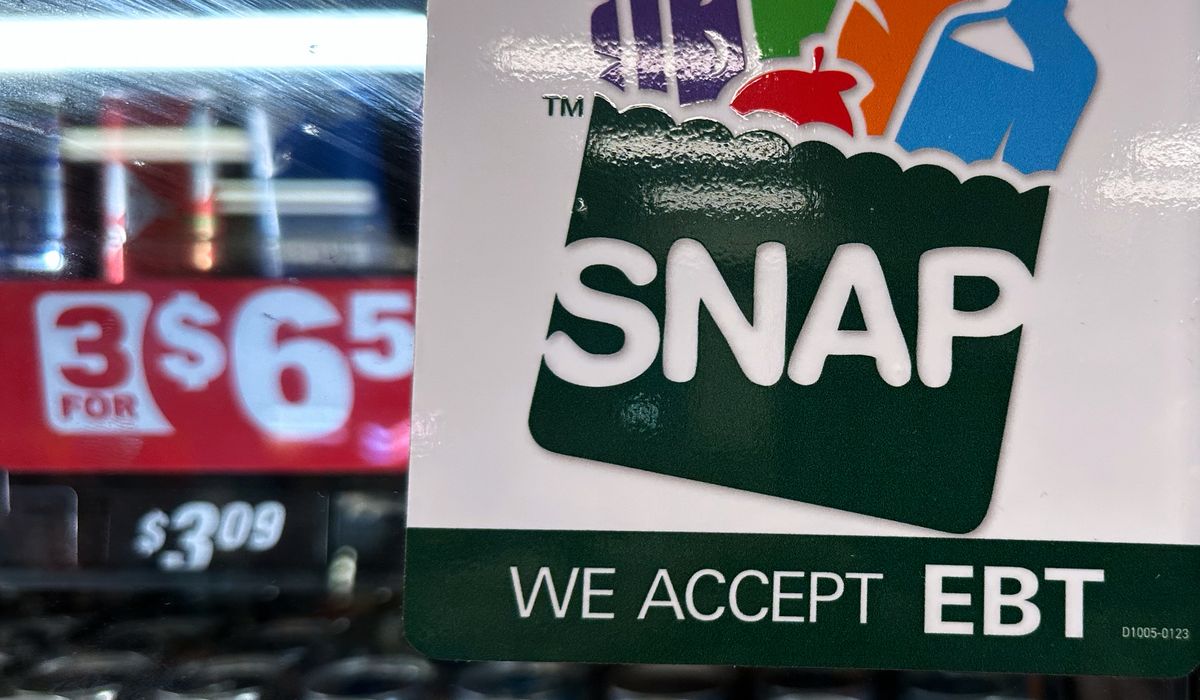
Two Romanian brothers residing unlawfully in the United States pleaded guilty in federal court to participating in a wire fraud scheme involving Supplemental Nutrition Assistance Program (SNAP) benefits.
Federal prosecutors say the case centers on an alleged scheme that used electronic communications and banking systems to move illicitly obtained SNAP benefits. The two men admitted guilt in court, acknowledging participation in a plan that exploited government food aid intended for needy households. Officials framed the case as part of a broader crackdown on benefit fraud and electronic thefts.
The plea means the brothers face federal sentencing guidelines that could include prison time, fines, and orders to repay funds. Judges typically weigh the defendant’s role, prior criminal history, and the total loss when setting punishment. Prosecutors also often seek forfeiture of assets tied to criminal gains and restitution for the victims or the government agency that paid out benefits.
SNAP is designed to help families buy groceries, and it relies on electronic benefit transfer cards and merchants to work properly. In recent years, authorities have tracked several fraud patterns: trafficking benefits for cash, using stolen identities to obtain cards, and manipulating transaction records. Cases that involve wire communications or interstate transfers elevate the matter to federal wire fraud charges.
Wire fraud is a serious charge because it criminalizes schemes to defraud that use electronic means like phones, emails, or banking networks. When prosecutors can show a deliberate plan to mislead or deprive the government or recipients of benefits, federal statutes come into play. Convictions under wire fraud can carry lengthy prison sentences and long-term consequences for immigration status and future employment.
Immigration status also complicates outcomes for noncitizen defendants. Those residing unlawfully in the United States who are convicted of federal fraud offenses often face additional penalties beyond criminal sentences. Deportation or removal proceedings can follow, and a conviction may make it much harder to seek legal status in the future.
Beyond criminal penalties, these cases often prompt administrative responses from benefit programs and banks. Agencies may tighten verification measures, update electronic transaction monitoring, or demand better documentation from retailers. Financial institutions can be asked to bolster anti-fraud controls to detect suspicious patterns tied to benefit misuse.
Local U.S. Attorney offices and federal investigative agencies typically coordinate on these prosecutions. The Department of Justice and federal partners say they prioritize protecting taxpayer-funded programs from organized abuse. Those prosecutions are meant to deter would-be fraudsters and reassure the public that misuse of public assistance will be pursued vigorously.
Public reaction to such prosecutions varies, but officials emphasize that the goal is to protect program integrity so benefits reach eligible households. Lawmakers and program administrators sometimes respond with policy reviews or funding for enhanced fraud detection technology. Meanwhile, advocates remind officials to balance fraud prevention with easy, dignified access to benefits for the genuinely needy.
The guilty pleas will move the case to sentencing, where the court will consider the evidence, the plea agreement terms, and legal arguments from both sides. Sentencing hearings often set timelines for restitution and forfeiture orders and establish supervised release conditions if prison time is imposed. The resolution will close this chapter of the enforcement action, while similar investigations continue across the country.

