

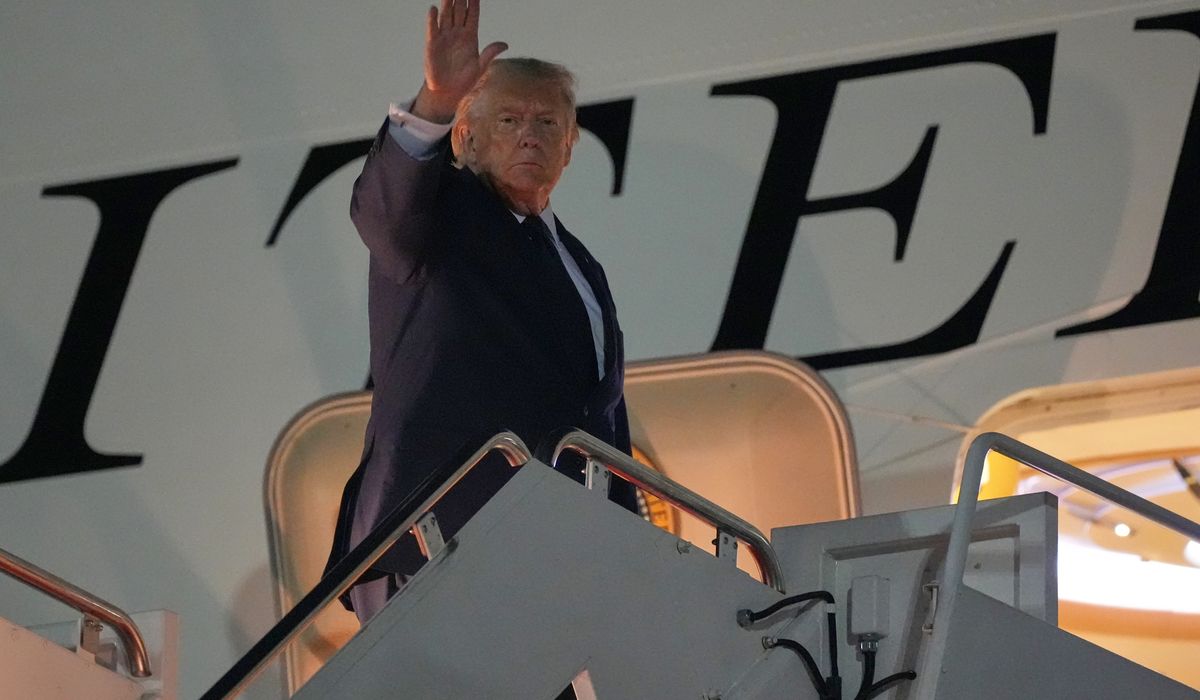
President Trump landed in Ankara Tuesday afternoon for the NATO summit, arriving as the transatlantic alliance announced billions in arms deals that some saw as an effort to placate a mercurial U.S. presence at the talks.
President Trump’s arrival in Ankara set the tone for a summit that quickly became about leverage as much as security. He walked into an alliance reshaping itself around bigger defense spending and far larger procurement commitments than in past years. The optics mattered: NATO leaders wanted to show unity, but they also wanted to show they were taking American concerns seriously.
The NATO announcement of billions in arms deals was billed as a move to reassure, and it landed at a time when allies were being reminded that defense budgets and capability gaps matter. Republicans who back a strong military will welcome higher investment in hardware and readiness. At the same time, there’s a clear message that allies must shoulder more of the burden instead of assuming American leadership will be automatic.
In Ankara, Turkey’s position added another layer to the conversation. The summit’s location underscored NATO’s reach and the complex patchwork of interests inside the alliance. From a Republican perspective, tough NATO diplomacy that defends American interests while nudging partners to improve their contributions is the right balance.
Trump’s negotiating style rattled some diplomats but produced results on the ground in the form of concrete arms commitments. That practical outcome appeals to conservatives who want policy wins, not platitudes. When allies buy more of their own defense, the United States benefits from a stronger collective posture and fewer open-ended obligations.
Critics called the flurry of deals an attempt to appease a mercurial U.S. president, but Republicans are more likely to see it as allies responding to plain talk. If blunt conversations push partners to modernize and spend responsibly on defense, those are productive outcomes. The alternative—niceties that leave capability gaps unaddressed—is not acceptable for anyone who values deterrence.
The summit also highlighted ongoing questions about procurement, interoperability, and industrial bases. Arms deals are not just about price tags; they shape future military cooperation and sustainment. Conservatives focused on long-term strength will argue that friend and partner investments create a more durable security architecture rather than a fragile, America-centric one.
There was a distinct sense that NATO is being nudged into a more pragmatic posture, one where commitments are matched by concrete spending plans. That matters for American taxpayers and for troops who rely on reliable allies. From a Republican viewpoint, asking allies to step up is common sense and good stewardship of U.S. resources.
Turkey’s role as host highlighted another Republican priority: confronting near-term threats while keeping strategic competition in view. The alliance must be able to deter Russia, counter terrorism, and adapt to new domains like cyber and space. When NATO members invest in capabilities across those areas, the alliance becomes more credible and effective.
At its core, the summit in Ankara was a test of whether talk translates into action. The headlines about billions in arms deals capture the moment, but the long game is in execution, follow-through, and sustained burden-sharing. Republicans will be watching to see if those announced deals actually lead to stronger NATO performance rather than temporary political theater.
For supporters of a robust American defense posture, the summit offered a mix of reassurance and caution. Reassurance came from visible investment and allies making purchases that strengthen common deterrence. The caution is that reliance on deals and headlines without consistent, long-term commitments will leave gaps that adversaries will exploit.
There is no single fix to the alliance’s challenges, but the Ankara summit made one thing clear: NATO’s future depends on American leadership combined with realistic expectations for allied contributions. That balance favors a Republican approach that prizes strength, clear demands, and practical results over rhetoric that leaves capability shortfalls unaddressed.

