

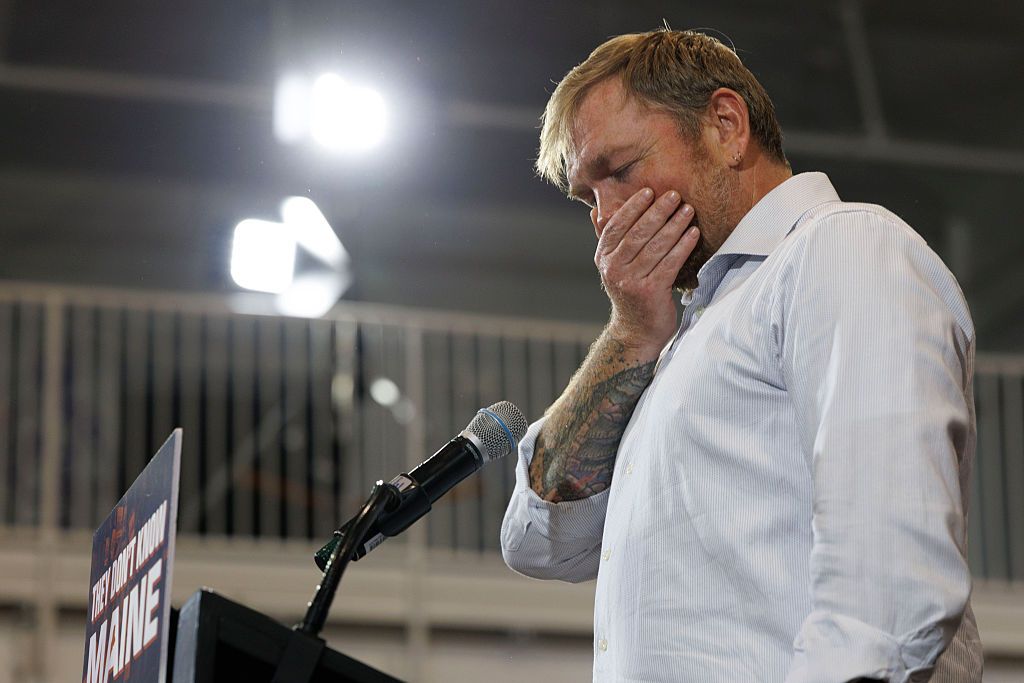
Graham Platner on the Ropes as Serious Allegation Surfaces — a fast look at how a sudden claim landed on Jul 7, 2026 and shook a Maine Democrat’s campaign, sparking tough questions about accountability, party response, and voter confidence.
The name Graham Platner is now tied to a serious allegation that surfaced on Jul 7, 2026, and the fallout has been immediate. Campaign operatives and state Republicans seized the moment to press for answers, while voters are left weighing the implications. The scene is tense and the campaign’s path forward looks uncertain.
“It looks like it may be the end of the campaign road for the Maine Democrat.” That line is already circulating in commentary and it captures the blunt political reality facing a candidate under a cloud. For Republicans watching, it’s proof that scrutiny can change dynamics fast and force a clearer contrast on character and judgment.
The core issue for conservatives is simple: where there’s smoke, voters deserve clarity and expedient transparency. Party leaders and independent watchdogs are asking for documents, statements, and a coherent timeline from Platner’s team. Republicans argue that the electorate needs a straightforward answer before any more campaign dollars are spent or votes are cast.
On the ground, local activists say momentum is shifting in precincts that were once competitive, with donors pausing commitments and volunteers stepping back until the picture clears. That hesitation can be fatal in tight races, and Republicans see it as an opening to push their message about integrity and steady leadership. The practical effect could be a rapid reshuffling of resources ahead of the next reporting deadline.
A legal cloud, even if temporary, changes how media cover a race and how campaigns operate. Platner’s opponents are exploiting that shift, framing their outreach around stability and trust while demanding investigations proceed without political spin. Republicans are keen to emphasize a contrast between accountability-minded stewardship and the chaos that surrounds contested allegations.
For the party apparatus, handling a candidate in trouble requires balancing principle with pragmatism, and right now the balance is tilting toward caution. Local GOP officials are considering both primary strategies and general election positioning, mindful that voters reward clear answers and punished evasiveness. That calculation will shape messaging and candidate recruitment in the weeks to come.
Meanwhile, voters in Maine are watching the exchange between the candidate’s camp and those raising the claim, trying to sort facts from strategic noise. The conservative approach remains consistent: urge full transparency, respect due process, and prioritize the public interest over partisan cover. If the allegation stands, Republicans will press to replace uncertainty with a candidate who can run a clean, confident campaign.
Beyond the immediate scramble, this episode underlines a broader lesson about vetting and political resilience in the modern era. Campaigns that survive shocks do so by answering directly, showing records that hold up to scrutiny, and maintaining steady operations even under pressure. For now, Graham Platner on the Ropes as Serious Allegation Surfaces is the phrase that sums up a campaign at a crossroads and a political environment where accountability matters.

