

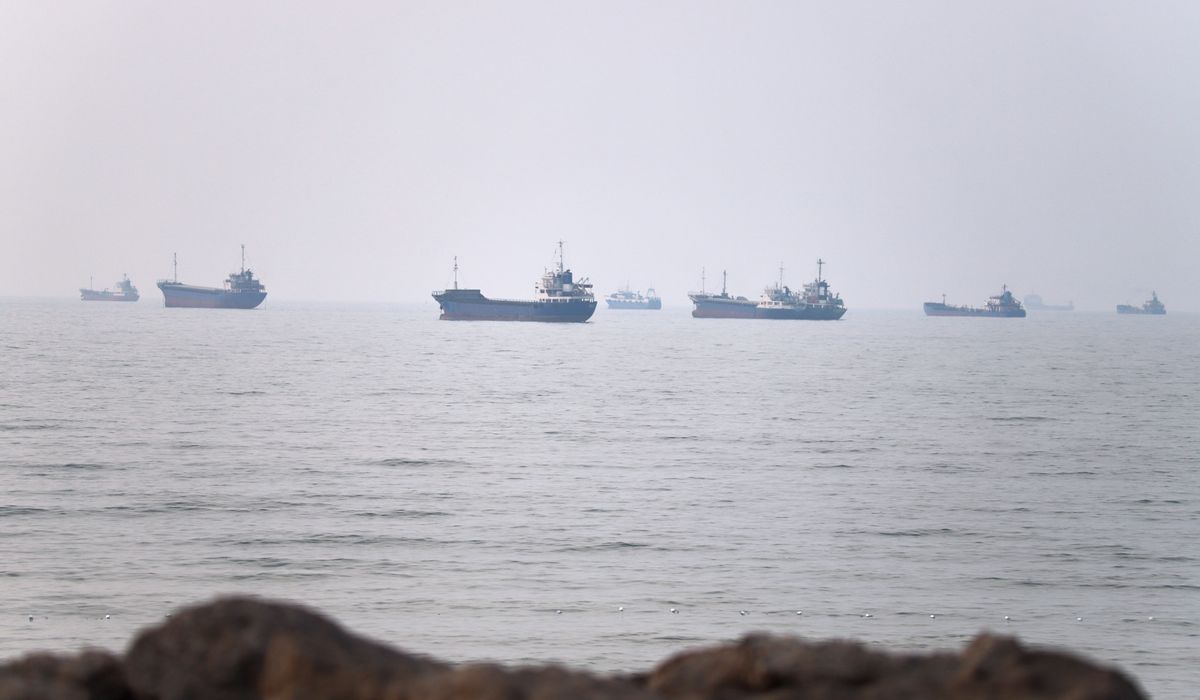
A tanker was hit by an unidentified projectile Tuesday while transiting near Omani waters in the Strait of Hormuz, according to maritime authorities.
The strike took place as the vessel passed through one of the world’s busiest shipping lanes, a narrow channel that links the Persian Gulf with the open ocean. Authorities have described the weapon that struck the tanker as unknown, and investigations are underway. Officials have not released details about the ship’s flag or operator at this time.
Maritime authorities said the incident occurred close enough to Omani territorial waters to raise immediate navigational and safety concerns for nearby traffic. Commercial shipping in the area routinely faces heightened risks because vessels transit a tight chokepoint with heavy tanker traffic. That concentration of vessels makes even a single attack capable of disrupting schedules and adding pressure on shipping companies and insurers.
There were no public reports of casualties or a confirmed environmental spill when the initial information was released. Local maritime authorities and regional coast guards typically coordinate initial responses to incidents like this to assess damage and secure the scene. Rescue and inspection teams often board struck vessels to evaluate hull integrity and crew welfare before letting a ship continue.
The Strait of Hormuz remains a flashpoint for maritime security because so much global energy trade flows through it. A significant share of the world’s crude oil and liquified natural gas passes through that narrow corridor, so any escalation or pattern of attacks tends to ripple into energy markets and shipping insurance rates. Commercial operators and traders watch developments closely for signs of broader instability.
Shipowners and operators often adjust routing, speed, and reporting protocols after such strikes to reduce exposure and comply with advisories. Insurance underwriters may revisit war-risk and hull coverage when incidents occur near high-risk areas, and charterers can face cascading logistical headaches. Shipping companies also rely on naval escorts or convoys when recommended by authorities in particularly tense periods.
Investigations into who fired the projectile will rely on a mix of physical evidence from the vessel, satellite tracking, and maritime traffic data. Regional states, international naval forces, and private maritime security firms frequently contribute information to build a timeline. Identifying the source can be difficult in a crowded corridor, and official findings often take days to weeks to emerge.
Diplomats and international maritime organizations generally urge calm and restraint while investigations proceed, emphasizing adherence to international law and safety protocols. Any political fallout depends on attribution, and nations usually avoid rapid escalation until a clearer picture is available. Meanwhile, maritime agencies typically issue navigational warnings and guidance to ships in the vicinity.
For commercial mariners and coastal authorities, the immediate priorities are crew safety, pollution prevention, and restoring secure passage for other vessels. Shipping companies will be monitoring formal notices to mariners and insurance advisories as they decide whether to alter routes or accept additional risk. Local ports and regional hubs may see short-term operational changes as a result of the incident.
The incident underscores persistent vulnerabilities along critical sea lanes and the continuing need for coordinated maritime surveillance and incident response. Shipping stakeholders, from owners to insurers to regulators, will be watching the investigation’s outcome for lessons on how to reduce future exposure in the area. Until investigators publish a definitive report, details will remain limited and subject to official confirmation.

