

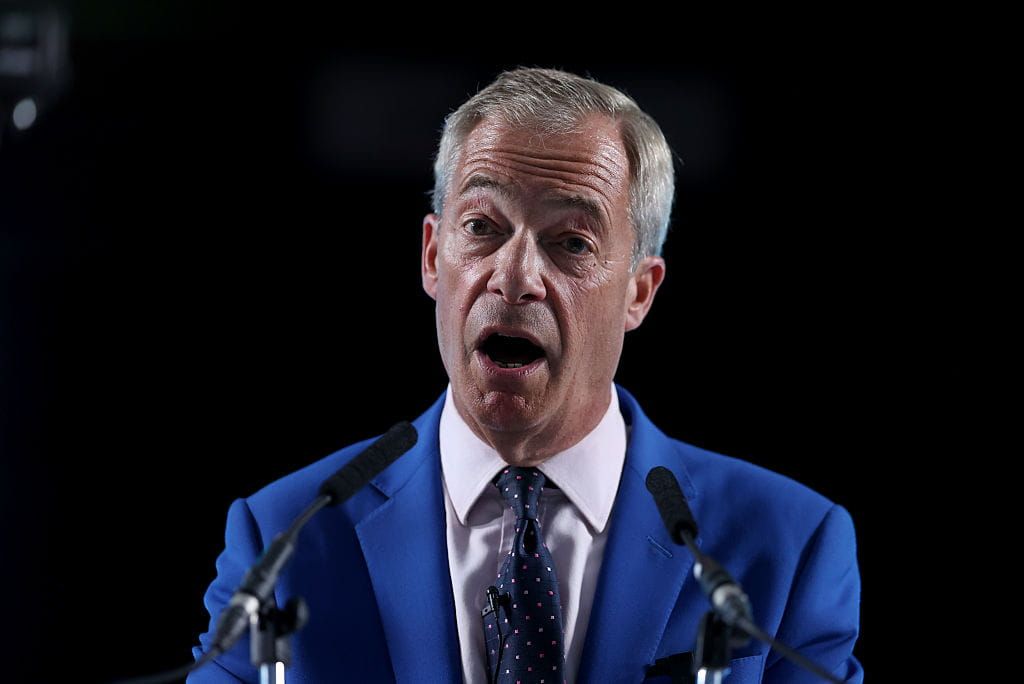
Nigel Farage announced his resignation from Parliament on July 7, 2026, yet immediately declared he will stand in the by-election to replace himself, betting his almost 20-point 2024 majority and Reform UK’s polling strength to secure a fresh mandate.
Nigel Farage, widely known as “Mr. Brexit,” handed in his resignation on July 7, 2026, but did not step away from politics. He intends to run in the by-election that will follow, aiming to convert controversy into a direct vote of confidence from his constituents. That move puts the decision back into voters’ hands rather than leaving it to parliamentary bodies.
Farage has been under multiple parliamentary enquiries over donations he received before becoming an MP, and those inquiries have focused attention on his finances. It is worth noting that receiving donations is not in itself illegal, but scrutiny intensifies when a high-profile figure is involved. With Reform UK leading polls repeatedly, the pressure on him has only grown.
Reform UK has topped more than 350 consecutive polls, a fact that gives Farage significant leverage and a platform from which to appeal to voters. Facing the parliamentary standards commission is a gamble because a finding against him could mean a short suspension and trigger a recall process. By resigning first and forcing a by-election, Farage aims to sidestep a punitive route and seek direct approval from his electorate.
The tactic of resigning to run again is not novel and has been used before as a political reset. It carries risk, because by-elections can produce unpredictable results and opposition parties sometimes collapse into tactical arrangements. In recent contests parties have fielded token candidates and shifted support to whoever was most likely to beat the Reform contender, which makes the dynamics of a by-election more strategic than straightforward.
Stepping down voluntarily alters the legal mechanics that would otherwise kick in if the standards commission had imposed a suspension. A short suspension could have enabled a recall petition, removing the decision from the ballot box and putting it into a bureaucratic process. Farage’s choice to place his fate with voters rather than with inspectors is a calculated attempt to neutralize that pathway.
There is an undeniable element of theatre in this approach, and it is aimed at a specific effect: to convert institutional pressure into a clarifying political contest. If he wins, any pending sanction from the parliamentary commission becomes moot because his renewed mandate undercuts claims that he should be removed. If he loses, the strategy will have failed and the enquiries will stand as a significant blow to his career and to Reform UK’s momentum.
The gamble also tests the opposition’s discipline and willingness to coordinate. When rival parties prioritize defeating a single target, they often nominate weak ticket candidates or back a united challenger, which can distort local choice. That tactical behavior has benefited insurgent movements in the past and it may again, depending on how the contest unfolds and how voters react to the resignation gambit.
For supporters and critics alike, the coming by-election will be less about the narrow procedural questions and more about mandate and meaning. Farage has framed the contest as a straight appeal to constituents, asking them to settle whether he should continue his fight against Westminster. Winning would hand him a clear political shield and keep him at the center of debates over reform and national direction.

