

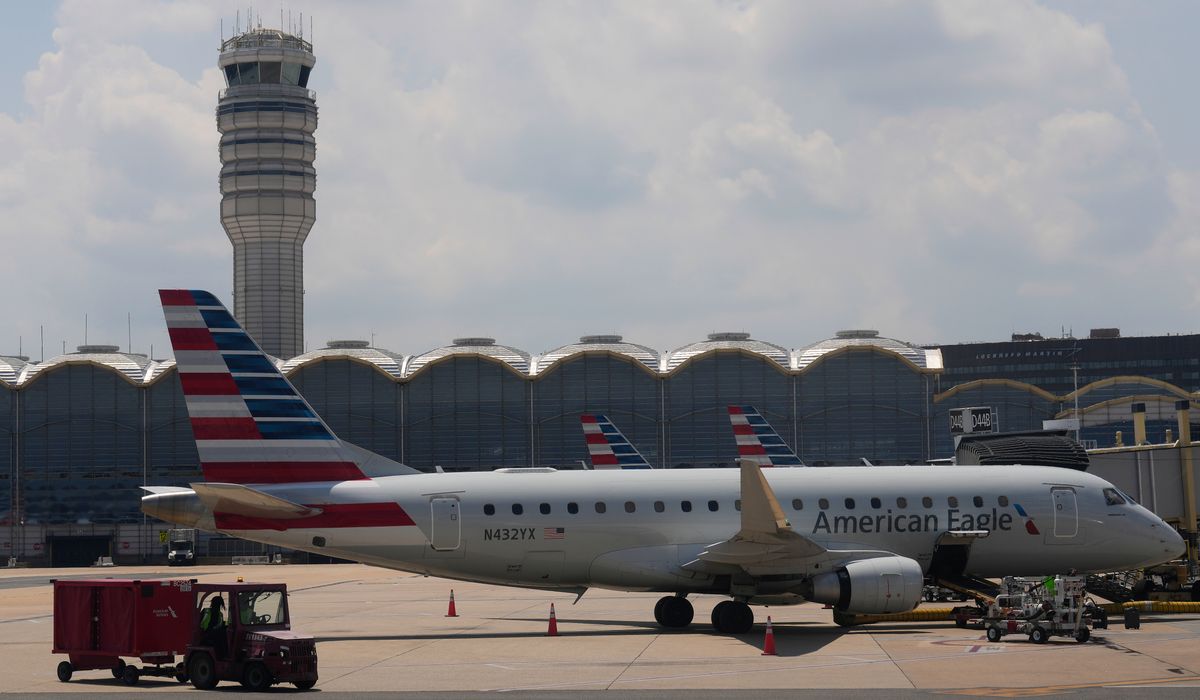
U.S. carriers are again feeling the pinch from high jet fuel bills, with recent government figures showing costs well into the billions and adding pressure to airline budgets and operations.
Airlines worldwide are still riding the aftermath of a post-pandemic travel rebound, and fuel is one of the clearest ways that demand shows up on balance sheets. Fuel expenses move with crude markets, refining capacity, and seasonal demand spikes, so costs can jump quickly. That volatility makes planning and pricing a challenge for carriers.
“U.S. airlines spent $6.66 billion on jet fuel in May, the second straight month that fuel costs topped $6 billion, according to government data released Tuesday.” That line is the raw reality carriers are facing this summer, and it underscores how concentrated a single line item can be. When fuel climbs like this, airline margins get squeezed fast.
Airlines run complex budgets where fuel often represents one of the largest variable expenses after labor and maintenance. Even modest fuel swings can change a carrier’s quarterly outlook, especially for carriers that fly long-haul routes or operate older, less efficient aircraft. Cost pressure tends to force sharper focus on capacity choices and network tweaks.
Many carriers use hedging to shield against sudden jumps in fuel prices, but hedges are imperfect and time-limited. Hedging can help in a rising-price cycle if contracts were locked in earlier, but those protections expire and must be rolled at current market rates. That leaves airlines exposed again when fuel markets swing the other way.
For travelers, higher fuel bills often show up indirectly rather than as a single line item labeled “fuel surcharge.” Airlines may adjust fares, add ancillary fees, or shift capacity, which in turn can change availability on popular routes. The practical effect is more expensive or less convenient travel options for some passengers, depending on how carriers respond.
The government release that reported the May number is a reminder that macro data still matters to day-to-day airline decisions. Agencies aggregate fuel consumption and cost figures to provide an industry snapshot, and those snapshots drive headlines and stakeholder conversations. Investors and corporate travel managers pay attention because fuel trends influence ticket pricing and corporate travel budgets.
Market watchers point to several drivers behind the current pressure: fluctuations in crude oil supply, refinery throughput constraints, and shifts in seasonal demand as people travel for summer holidays. Geopolitical events and shipping constraints can amplify those factors, nudging jet fuel premiums higher. Those combined forces make short-term predictions tricky and keep volatility elevated.
Operationally, airlines respond with a mix of tactics: reoptimizing schedules, prioritizing newer, more fuel-efficient planes, and accelerating investments in alternative fuels where practical. Sustainable aviation fuels are getting increasing attention, though they remain a small fraction of total fuel use today. Still, efficiency moves and fuel-substitution plans are part of the longer-term playbook.
As the travel season continues, watch for shifts in capacity, fare patterns, and any public signals from carriers about cost-management steps. Fuel remains one of the clearest knobs that can be turned to manage margins, and decisions made now will ripple through schedules and pricing in the months ahead. Airlines, travelers, and markets all feel the impact when jet fuel jumps into the billions.

